
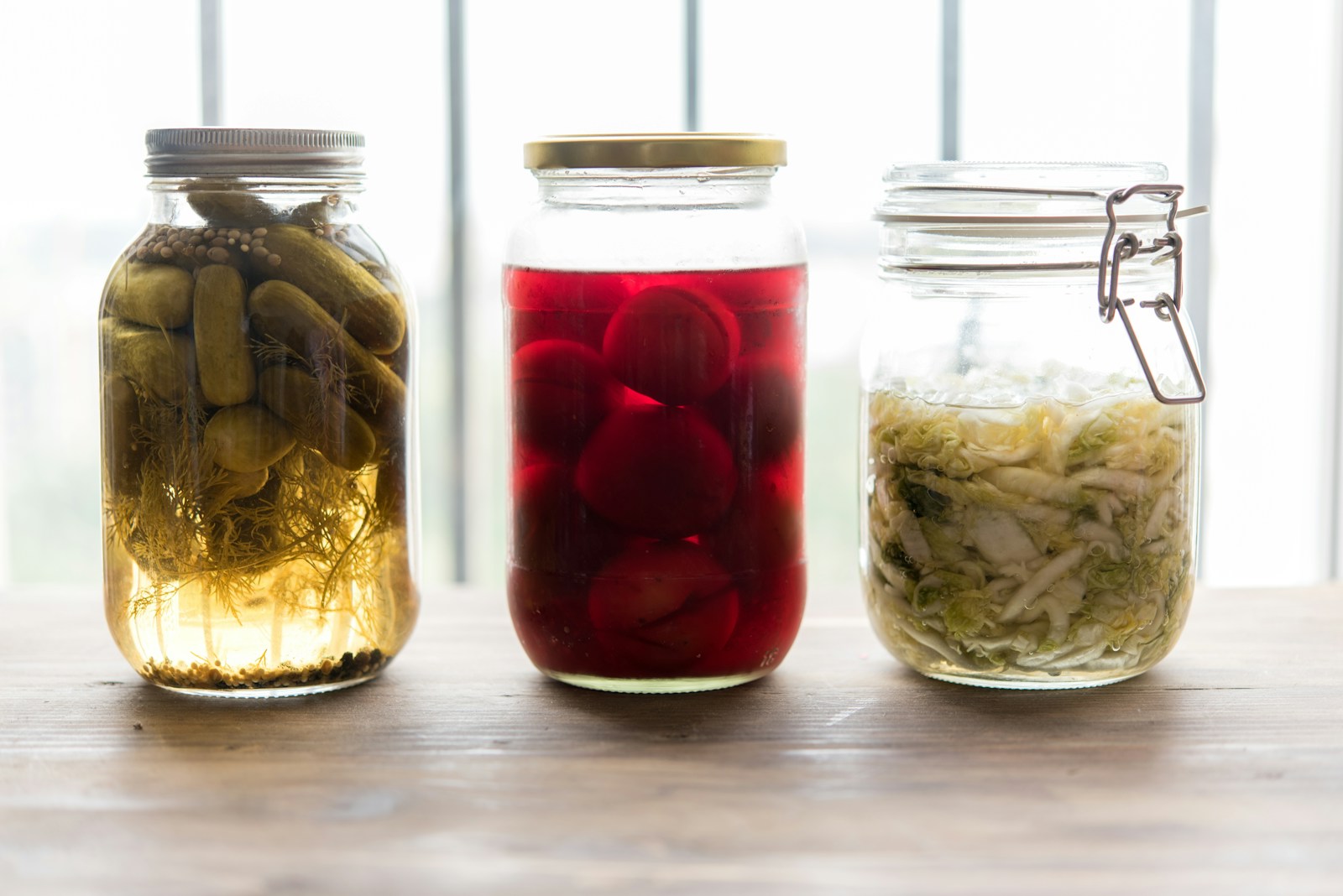
Vegetable Fermentation Guide: Master the Art of Preserving and Flavoring Your Produce
Fermenting vegetables is a fun and rewarding activity that allows you to enhance flavors and preserve your produce. This guide will teach you the basics of vegetable fermentation, helping you turn fresh veggies into delicious, tangy snacks. With simple ingredients and easy methods, you can explore the art of lacto-fermentation right in your kitchen.
Whether you’re a beginner or looking to refine your skills, you’ll find that many vegetables can be fermented. Carrots, garlic, and beets are popular choices that yield tasty results. This process not only boosts the nutritional value of your food but also adds a unique taste that can elevate any meal.
Get ready to dive into the straightforward steps of preparing, salting, and fermenting your vegetables. With a little patience and creativity, you can enjoy homemade fermented treats that are perfect for your meals or snacks.
The Fundamentals of Vegetable Fermentation
Vegetable fermentation is a time-honored method that transforms fresh vegetables into flavorful, preserved foods. This process relies on beneficial bacteria, mainly lactobacilli, to produce lactic acid, which enhances flavor and extends shelf life. Understanding key aspects like the fermentation process, vegetable selection, salt and water roles, and hygiene practices is essential for successful fermentation.
Understanding the Fermentation Process
Fermentation is the natural breakdown of sugars by bacteria and yeasts. In vegetable fermentation, you encourage the growth of beneficial bacteria, which convert sugars in the vegetables into lactic acid. This acid not only preserves the veggies but also gives them a tangy flavor.
The fermentation process can take about three to four weeks at the right temperatures. Cooler temperatures may slow this down, taking five to six weeks or longer. Keeping the vegetables submerged in liquid is crucial to prevent spoilage and allow optimal fermentation.
Selecting Suitable Vegetables for Fermentation
Not all vegetables ferment equally well. Some of the best choices include:
- Cabbage: Great for sauerkraut.
- Carrots: Naturally sweet and crunchy.
- Beets: Adds color and earthiness.
- Radishes: Spicy flavor enhances depth.
Choose fresh vegetables without blemishes or signs of spoilage. You can experiment with combinations to create unique flavors. Harder vegetables often work better because they retain crunch during fermentation.
The Role of Salt and Water in Vegetable Fermentation
Salt is critical in fermentation. It draws out moisture from the vegetables, creating a brine that helps the bacteria thrive while inhibiting harmful microorganisms. The right salt concentration is usually around 2–3% of the total weight of the vegetables.
Water quality matters too. It’s best to use filtered or distilled water to avoid chlorine or other chemicals found in tap water. This ensures a healthier fermentation environment.
Preparation of the brine should balance salt and water to cover the vegetables fully. This is important for even fermentation and flavor development.
Hygiene and Safety Practices
Maintaining cleanliness is vital for successful fermentation. Start by washing your hands, utensils, and containers. Use glass jars or food-grade plastic to avoid chemical reactions.
Check for any signs of spoilage during the fermentation process. If you notice mold or an off smell, discard the batch immediately. Always follow the recommended fermentation times, and store your finished product in a cool place to maximize its shelf life.
By following these essential practices, you can enjoy deliciously fermented vegetables at home with confidence.
Detailed Techniques and Recipes
Fermenting vegetables can be a fun and rewarding process. The following techniques and recipes will help you create delicious ferments at home while exploring different flavors and traditions.
Step-by-Step Guides for Common Fermented Vegetables
Here are simple steps for fermenting popular vegetables:
1. Sauerkraut:
- Ingredients: 1 medium cabbage, 1-2 tablespoons sea salt.
- Process: Shred the cabbage and mix with salt. Pack tightly into a fermentation jar. Leave it at room temperature for 1-4 weeks.
2. Kimchi:
- Ingredients: Napa cabbage, garlic, ginger, chili pepper, fish sauce, and salt.
- Process: Cut cabbage, mix with salt, and let sit. Combine garlic, ginger, and pepper then mix with cabbage. Ferment for 1-2 weeks.
3. Pickled Carrots:
- Ingredients: 4 cups sliced carrots, 2 tablespoons salt, 1 cup water.
- Process: Dissolve salt in water, add carrots, and pack in a jar. Store at room temperature for 5-10 days.
Exploring Global Fermentation Traditions
Fermentation varies widely across cultures. Here are some unique examples:
Kefir: A fermented milk drink from the Caucasus region. It uses kefir grains to create a tangy beverage.
Miso: A Japanese condiment made from fermented soybeans. It’s rich in umami flavor and commonly used in soups.
Kimchi: As mentioned earlier, this Korean dish uses a variety of vegetables and spices, offering a spicy and savory twist.
Sauerkraut: A favorite in Central Europe, it is primarily made with cabbage and has a sour taste.
These practices not only enhance flavors but also improve digestion and preservation.
Flavoring and Customizing Your Ferments
You can easily customize your ferments. Here are some ideas:
Spices: Add garlic, ginger, dill, or bay leaves for extra flavor.
Vegetable Combinations: Mix carrots with garlic and red pepper or cabbage with radishes and beets.
Sweet Additions: Incorporate a bit of sugar or honey for a sweeter taste, especially with carrots or beets.
Experiment with different combinations. Keep notes on what you like best, and adjust based on your taste preferences.