
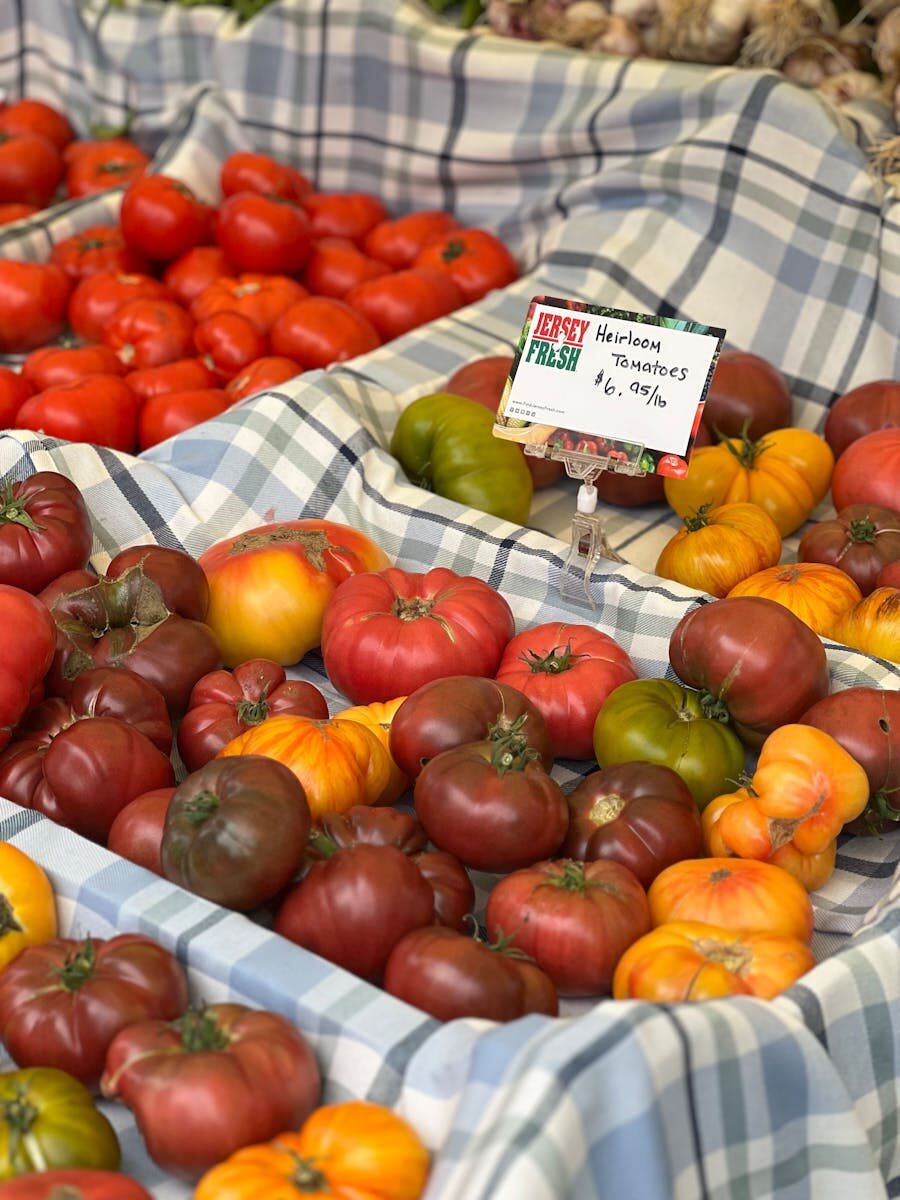
Heirloom Vegetable Growing: A Comprehensive Guide to Sustainable Practices
Heirloom vegetables are a great way to add unique flavors and diversity to your garden. These plants are prized for their rich tastes and history, often passed down through generations. Growing heirlooms can deepen your connection to gardening while providing you with delicious produce throughout the season.
You’ll find a wide variety of heirloom seeds and plants available, from colorful tomatoes to crisp radishes. These seeds often grow well in home gardens and adapt nicely to local conditions. By nurturing these varieties, you not only enjoy their remarkable tastes but also contribute to preserving these rare breeds.
Whether you are an experienced gardener or just starting, growing heirloom vegetables can be a rewarding adventure. They bring a sense of tradition and satisfaction that comes from cultivating something special. As you read on, you will learn tips on how to grow, care for, and enjoy a thriving heirloom garden.
Fundamentals of Heirloom Vegetable Growing
Growing heirloom vegetables involves understanding their unique traits and benefits. These plants connect you with gardening traditions while providing tasty, diverse crops.
Defining Heirloom Vegetables
Heirloom vegetables are open-pollinated varieties passed down through generations. They often have unique flavors, textures, and colors, making them different from standard supermarket produce. To qualify as an heirloom, a vegetable must be at least 50 years old.
Heirlooms thrive in diverse conditions and are often more resilient to local pests. Some common heirloom vegetables include:
- Tomatoes: Known for their rich flavors.
- Beans: Easy to grow and save seeds.
- Peppers: Grown for both taste and heat.
By growing these plants, you not only enjoy their distinct characteristics but also celebrate gardening history.
Benefits of Growing Heirloom Varieties
Growing heirloom varieties presents many advantages. These vegetables are often more flavorful than hybrids, making meals more enjoyable. They also tend to be more adaptive to local growing conditions.
Additionally, heirlooms can contribute to biodiversity. By cultivating these varieties, you help preserve plant genetics. This diversity is crucial for nutrition and ecosystem health.
Consider the following benefits:
- Flavor: Heirlooms offer unique and rich flavors.
- Seed Saving: Many can be easily saved for next season.
- Cultural Heritage: You keep gardening traditions alive.
Investing in heirloom vegetables enriches your garden and your table.
Cultivation Techniques for Heirloom Vegetables
Growing heirloom vegetables requires careful attention to several key practices. Focus on soil preparation, planting, and managing pests to ensure a successful harvest of these diverse varieties.
Soil Preparation and Fertility
Start by testing your soil to understand its nutrient levels and pH balance. Aim for a pH between 6.0 and 7.0 for optimal growth.
Steps for Soil Preparation:
- Clear the area: Remove any weeds or debris.
- Amend the soil: Add organic matter such as compost or well-rotted manure to enrich the soil.
- Tillage: Loosen the soil to improve aeration and drainage.
Consistent moisture is important for heirloom vegetables. Create well-drained beds that retain moisture without becoming waterlogged. Consider adding mulch to help retain soil moisture and suppress weeds.
Planting and Seasonal Care
Choose the right time for planting based on the specific heirloom variety. Most heirlooms thrive in warmer weather. Start seeds indoors 6-8 weeks before the last frost date for your area.
During the growing season:
- Watering: Provide consistent moisture, usually about an inch per week, depending on the weather.
- Fertilizing: Use organic fertilizers every four to six weeks to support growth.
Be vigilant about light requirements. Most heirloom vegetables need full sun, meaning at least 6-8 hours of direct sunlight daily.
Pest and Disease Management in Heirlooms
Pest control is crucial to maintaining healthy heirloom plants. Use companion planting to deter pests naturally. For example, planting marigolds nearby can help repel nematodes.
Pest Management Techniques:
- Regular inspection: Check plants frequently for any signs of pests or diseases.
- Natural remedies: Use insecticidal soap or neem oil for pest control.
For diseases, proper spacing between plants helps maintain airflow and reduces humidity. Rotate your crops each year to avoid disease buildup in the soil. Avoid planting the same vegetable in the same spot for three or four years to minimize disease risks.