
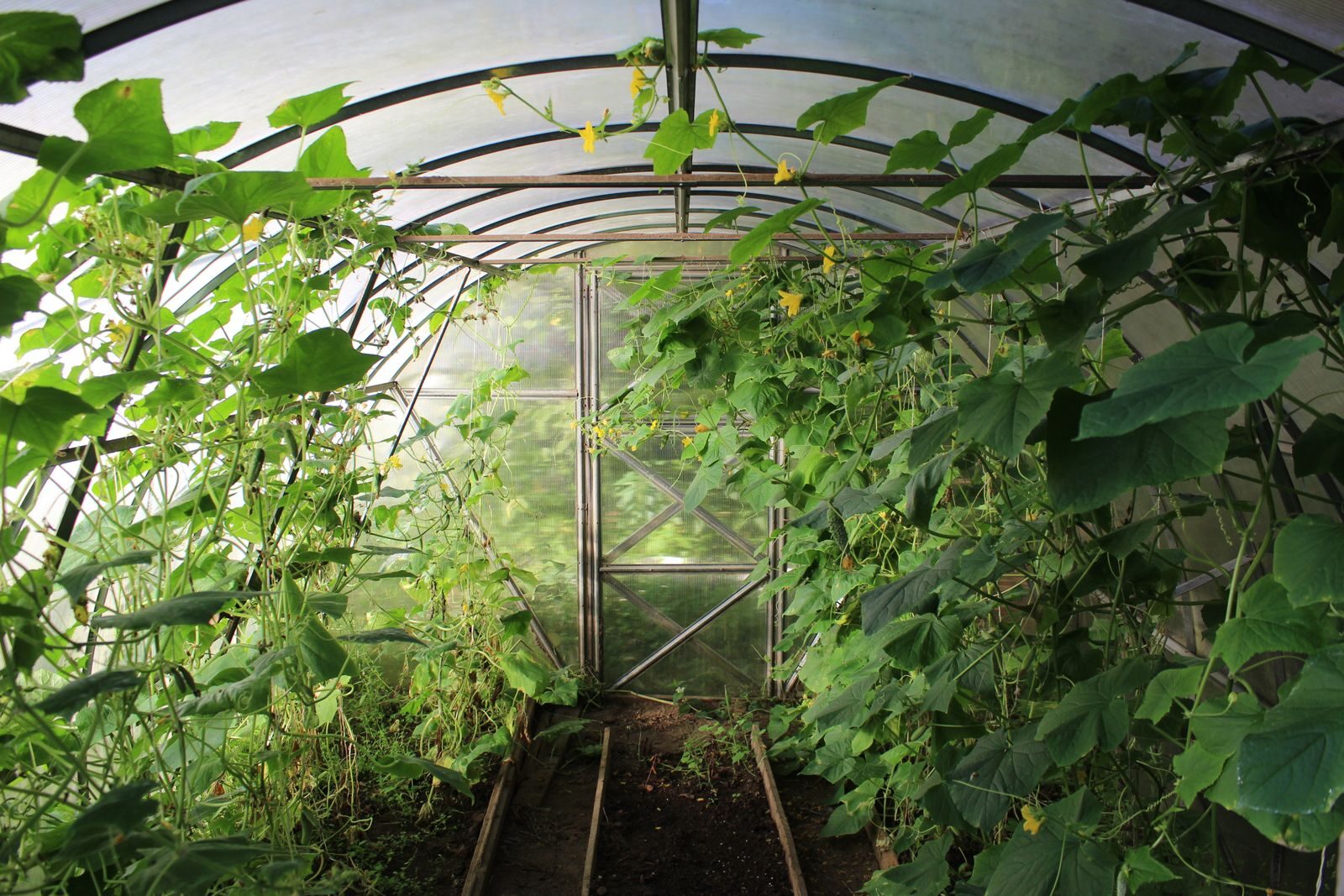
Garden Microclimate Creation: Enhancing Your Plants’ Growth Environment
Creating a garden microclimate can transform your outdoor space, making it easier to grow a variety of plants. By strategically altering your garden’s environment, you can provide better conditions for your plants to thrive, even in challenging weather. Understanding how to create these areas is essential for any gardener looking to improve their yield and plant health.
Microclimates are small, specific areas within your garden that have different climate conditions from the surrounding areas. Factors like sun exposure, wind patterns, and moisture levels can all contribute to these unique conditions. By identifying and enhancing these spots, you can cultivate plants that may not typically thrive in your climate.
Whether you’re dealing with excessive winter wet or scorching summer sun, there are effective techniques to develop favorable microclimates. Simple changes, like adjusting drainage or selecting the right plants, can make a significant difference. Engaging with your garden in this way not only improves plant health but also enriches your gardening experience.
Understanding Garden Microclimates
Garden microclimates are small areas within your garden that have a different climate than the surrounding area. These differences can help you grow plants more effectively by providing them with the right conditions.
Defining a Microclimate
A microclimate is a localized area with specific weather conditions. Unlike the broader climate of a region, a microclimate can vary significantly.
Examples of Microclimates:
- Sunny Spots: Areas that get more sunlight are warmer and can support heat-loving plants.
- Shaded Areas: Places under trees or structures might be cooler and require shade-tolerant plants.
- Windy Corners: These spots can dry out plants more quickly and might need extra protection.
Microclimates can be as small as a few square feet. Their impact on plant growth can change how and where you garden.
Factors Affecting Microclimate
Several factors influence the characteristics of your garden’s microclimates. Understanding these can help you make better planting choices.
- Topography: Hills and slopes can trap heat or cold air.
- Vegetation: The presence of trees, shrubs, or even buildings can create shade or windbreaks.
- Soil Type: Different soils hold moisture differently, affecting plant health.
Key Elements to Consider:
- Elevation: Higher areas are often cooler.
- Sunlight Exposure: More sun leads to warmer microclimates.
- Water Availability: Proximity to water sources can create humid conditions.
By observing these factors, you can design your garden to take full advantage of its unique microclimates.
Creating and Managing Your Garden Microclimate
You can create and manage a microclimate in your garden that enhances plant growth and health. By understanding your garden’s current conditions and applying specific strategies, you can promote better results for your plants.
Assessing Your Garden’s Current Climate
Start by observing your garden’s existing climate. Pay attention to sunlight patterns, wind exposure, and moisture levels.
- Sunlight: Note where sunlight hits the garden during different times of the day. This helps determine which areas are sunny or shady.
- Wind: Identify how wind affects your garden. Strong winds can dry out plants or damage them.
- Moisture: Check for areas that retain water and those that dry quickly. This influences the types of plants you can grow.
Record these observations to understand how your garden functions throughout the year.
Strategies for Microclimate Modification
Once you assess your garden, you can implement strategies to modify its microclimate. Consider these methods:
- Windbreaks: Plant trees or shrubs to block harsh winds. This can reduce plant stress.
- Shade: Use trellises, garden structures, or tall plants to create shaded areas for sensitive plants.
- Soil Improvement: Enhance drainage in wet areas by amending soil with organic matter.
- Water Features: Add ponds or fountains to increase humidity and moderate temperature changes.
Each method helps create specific conditions that cater to different plants’ needs.
Plant Selection and Placement
Choosing the right plants for each microclimate is key. Select plants based on sunlight, moisture, and temperature needs.
- Sun-Loving Plants: Opt for vegetables like tomatoes and peppers in bright, sunny areas.
- Shade Tolerant Plants: Consider leafy greens or ferns for shadier spots.
- Drought-Resistant Plants: Use succulents in areas that dry out quickly.
- Moisture-Loving Plants: Place water-loving plants in areas that retain moisture.
Group plants with similar needs together to ensure they thrive. This practice simplifies watering and care.
Maintenance and Adaptation
Regular maintenance helps sustain your microclimate. Monitor how plants respond throughout the seasons.
- Watering: Adjust your watering schedule based on changing weather conditions.
- Pruning: Regularly trim plants to allow more sunlight into shaded areas.
- Mulching: Use mulch to retain moisture and regulate soil temperature.
- Seasonal Adjustments: Change plant placements or add new plants as needed depending on seasonal shifts.
Adapting your practices based on observation ensures your garden continues to flourish over time.