
Basic Weed Management: Essential Strategies for Effective Control
Weeds can be a gardener’s worst enemy, taking nutrients and space from the plants you want to grow. However, weeds can also be a gardener’s best resource. Basic weed management focuses on principles that create a healthy environment for your plants while keeping weeds in check. By understanding the various methods available, you can choose the right strategies that fit your gardening style and needs.
There are several approaches to controlling weeds, each with its own benefits. From physical methods like hand weeding and mulching to biological options, like companion planting. Knowing what works best for your situation is essential. Taking action early and regularly maintaining your garden can prevent weeds from becoming a larger problem.
Using a combination of these methods, such as cultural practices and mechanical control, can lead to an effective weed management plan. You can enjoy a thriving garden free from unwanted plants with knowledge and effort.
Fundamentals of Weed Management
Understanding the basics of weed management helps you develop effective strategies to control unwanted plants. Key aspects include weed biology, identification, and the impacts these plants have on your growing environment.
Weed Biology and Behavior
Weeds grow quickly and compete for resources like light, water, and nutrients. They often have adaptations that let them thrive in various environments. The plants we regard as ‘weeds’ are often the first plants to colonize disturbed or poor quality soils. They are known as ‘pioneer species’ and have the ability to improve soils, in preparation for planting other crops. The advantages of weeds are they often have deep roots for accessing deep soil nutrients. They may also create a lot of leaf matter in a very short time. And often they are members of the legume family of plants, so are very effective at fixing atmospheric nitrogen.
Here are a few important traits:
- Rapid Growth: Many weeds can double in size within a week.
- Seed Production: Some produce thousands of seeds, increasing their spread.
- Resilience: Weeds may survive harsh conditions, like drought or poor soil.
By learning about these behaviors, you can anticipate how weeds might grow and spread in your garden.
Weed Identification and Characteristics
Identifying weeds is crucial for effective management. Different species have unique features that can help you spot them early.
Focus on these key characteristics:
- Leaf Shape: Observe the shape and arrangement of leaves. Some are broad, while others are narrow.
- Stem Structure: Notice whether the stem is hairy, smooth, or has thorns.
- Growth Habit: Determine if the weed grows upright, sprawling, or as a creeping plant.
By recognizing these traits, you can respond quickly and tailor your control methods.
Impacts of Weeds on Crop Production
Weeds can significantly affect crop yields and quality. They steal resources, leading to weaker plants and reduced harvests.
Consider these impacts:
- Competition: Weeds compete for crucial resources, which can stunt crop growth.
- Pest Habitat: Some weeds attract pests that may damage your crops.
- Disease Spread: Weeds can harbor diseases and pathogens, affecting nearby plants.
Managing weeds effectively is essential for maintaining healthy crops and maximizing yields.
Weed Control Strategies
Effective weed management requires a combination of methods. You can choose from preventative measures, cultural practices, or mechanical control techniques. Each strategy has its own strengths and can be used based on the situation.
Preventative Measures
Preventative measures focus on stopping weeds before they grow. You can start by using clean seeds and transplants to avoid introducing weed seeds into your garden.
Mulching is another effective approach. Using organic materials like straw or wood chips can block sunlight to weeds, preventing their growth.
Keep your soil healthy. Healthy soil promotes robust plant growth, which can outcompete weeds for resources.
You might also consider timing your planting. Early planting can help your crops get established before weeds can take hold, reducing competition.
Cultural Practices
Cultural practices involve changing how you manage your garden or farm. Crop rotation is a key method. By changing the types of crops you plant each year, you can disrupt weed life cycles.
Maintaining proper plant spacing is important too. This allows your plants to grow strong while limiting the space available for weeds.
Another cultural method is cover cropping. Growing cover crops during the off-season can prevent weeds from germinating and improve soil health. Cover crops, particularly legumes are very useful when turned in just before seeding. This process adds a lot of organic matter into the soil.
Irrigating wisely also plays a role. Keep your plants well-watered while avoiding excess water that can promote weed growth.
Mechanical Control Techniques
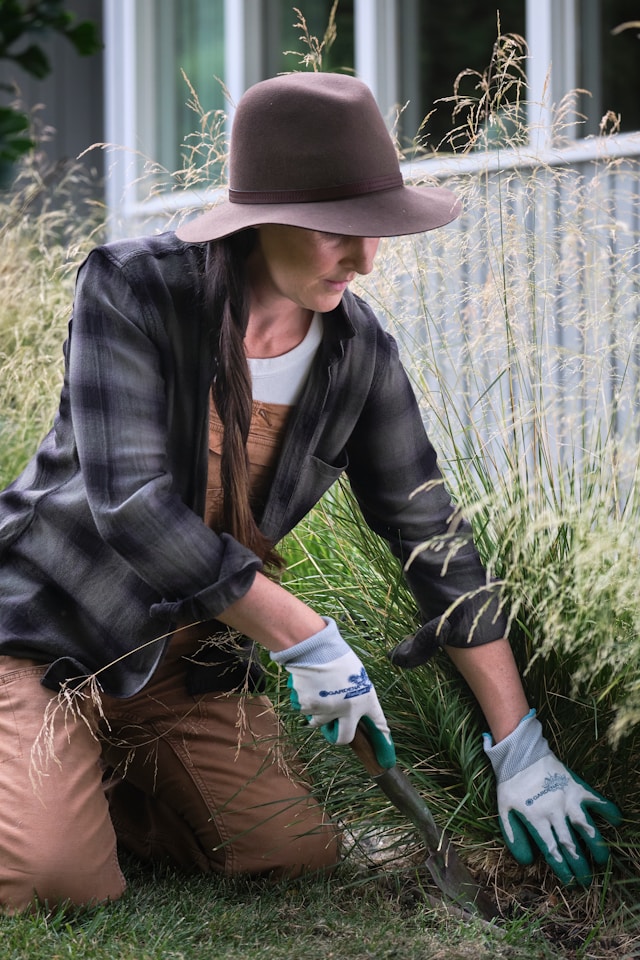
Mechanical control techniques use physical methods to manage weeds. Hand-pulling is simple but effective for small areas. Always pull weeds from the root to prevent regrowth.
Other tools can be used, such as hoes or tillers, which can help you uproot weeds.
Mowing is also an option. Regular mowing keeps weeds from flowering and going to seed, reducing their spread.
Consider using flame weeding for large areas. A handheld propane torch can destroy weeds quickly, but be cautious with its use to avoid fire hazards
View Weeds as a Resource.
Always remember that ‘weeds’ are just plants growing in a space that you would rather not have them. As such they can be recycled via your compost heap, or they can make a good tea to nourish your wanted crops. To make a nutrient rich tea, fill a large bucket with the weeds, and then cover them with water. After some months the weeds will have decomposed, and the resulting liquid will be ready to dilute and put around your vegetables.