
First Garden Design: Essential Tips for Beginners
Designing your first garden can be an exciting adventure. It allows you to connect with nature, express your creativity, and grow your own plants. To create a successful garden design, start by considering your space, the types of plants you want, and how you’ll use the garden.
You can begin by thinking about the size and layout of your garden. Take note of sunlight, shade, and existing features like trees or fences. Choosing plants that match your climate and soil is crucial for a thriving garden.
As you plan, remember that a well-thought-out design can make your gardening experience more enjoyable and productive. By blending aesthetic appeal with practical elements, your garden can flourish and provide you with fresh produce or beautiful flowers for years to come.
The most important thing to remember when you are starting your first garden, is just start growing something. It doesn’t have to be perfect, it just needs to have some plants growing happily.
Planning Your First Garden
Planning your first garden involves understanding the space you have, choosing a style that fits your taste, and selecting the right plants and materials. Each step is important to ensure your garden thrives and meets your needs.
Understanding Your Space
Begin by assessing your available area. Look for sunlight, shade, and wind patterns. Most vegetables need at least six hours of sunlight daily.
Measure the space you plan to use and note any existing features like trees, fences, or buildings. This will help you determine the best layout.
Consider soil quality and drainage as well. You may need to conduct a soil test to check for nutrients. Improving soil with compost can offer benefits. Make sure there’s access to water, whether through a hose or a planned irrigation system.
Choosing a Garden Style
Deciding on a garden style sets the tone for your design. Options include traditional rows, raised beds, or container gardens.
Raised beds are great for limited spaces and improve drainage. They can be built with wood, stone, or bricks.
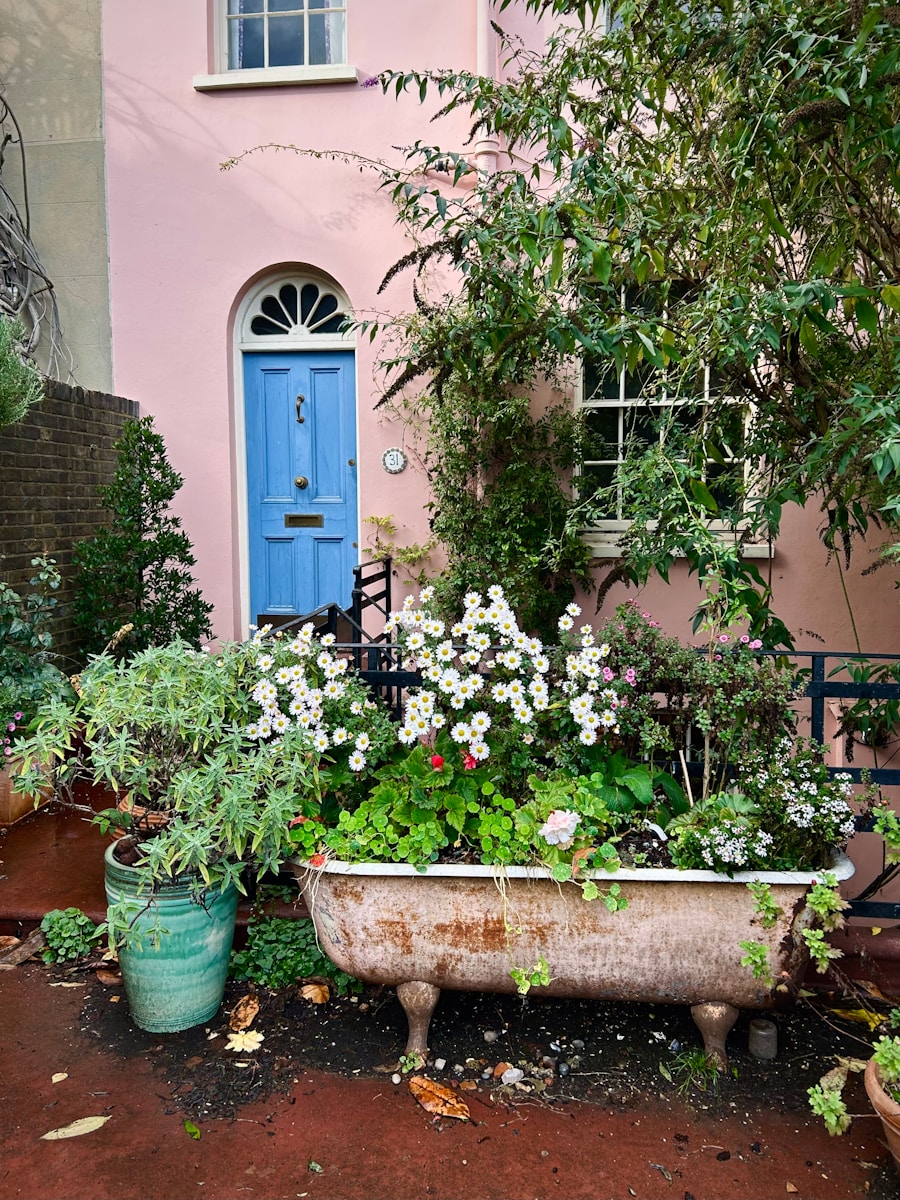
Container gardening allows you to grow plants on patios or balconies, perfect for herbs or small vegetables. This approach is flexible and easy to manage.
Make sure your chosen style fits your lifestyle. Some styles may require more upkeep than others, so consider how much time you can dedicate to maintenance.
Selecting Plants and Materials
When selecting plants, start with those suited to your climate. Look for hardy vegetables like tomatoes, peppers, or carrots. Check your local growing zone to choose varieties that flourish in your region.
List the materials you’ll need, such as soil, mulch, and fertilizers. Use organic options when possible to protect both your garden and the environment.
Plan for plant spacing, as each plant needs room to grow. A good rule is to follow the spacing guidelines on seed packets or plant labels. Remember to include pollinator-friendly plants like marigolds or sunflowers to attract beneficial insects.
Implementing Your Garden Design
After planning your garden design, it’s time to put it into action. This involves preparing your soil, using effective planting techniques, and understanding basic garden maintenance. Each step is key to ensuring your garden thrives.
Preparing The Soil
Good soil is essential for healthy plants. Start by testing your soil’s pH and nutrient levels. You can buy a soil test kit at a garden center.
- Clear Debris: Remove any weeds, rocks, or old plants. This helps reduce competition for nutrients.
- Loosen Soil: Use a shovel or tiller to break up compacted soil. This improves drainage and allows roots to grow easier. I like to use a fork to loosen the soil, this works well to aerate the soil as well.
- Amend Soil: Add organic matter like compost or well-rotted manure. This enriches your soil and improves its structure. Your soil needs to become a living organism, that is, it needs to be full of a wide variety of micro-organisms. The role of the micro-organisms is to make the nutrients in the soil available for plant root uptake.
Some of the things you can add to your soil to create a fertile bed for planting.
- compost,
- decaying organic matter,
- worm castings,
- rotting cardboard and newspaper.
Planting Techniques
When planting, the right techniques make a big difference. Follow these steps to ensure your plants grow strong.
- Spacing: Pay attention to the recommended spacing for each plant. Crowded plants compete for nutrients, sunlight, and water.
- Depth: Dig holes that are twice as wide as the root ball but not too deep. This encourages root growth while preventing water from pooling around the roots.
- Watering: Water your plants thoroughly right after planting. This helps settle the soil around the roots and eliminates air pockets.
Using these techniques helps establish a strong foundation for your garden.
Garden Maintenance Basics
Once your garden is planted, maintenance is crucial for keeping it healthy. Regular care helps prevent problems before they start.
- Watering: Aim for consistent moisture. Water early in the morning or late in the afternoon to reduce evaporation.
- Weeding: Remove weeds promptly to reduce competition for resources. Regularly check your garden as weeds sprout quickly.
- Fertilizing: Use some compost or a layer of organic mulch, according to the needs of your plants. Follow plant growing instructions for timing and amounts.
With proper maintenance, your garden can flourish, providing beauty and produce for years to come.