
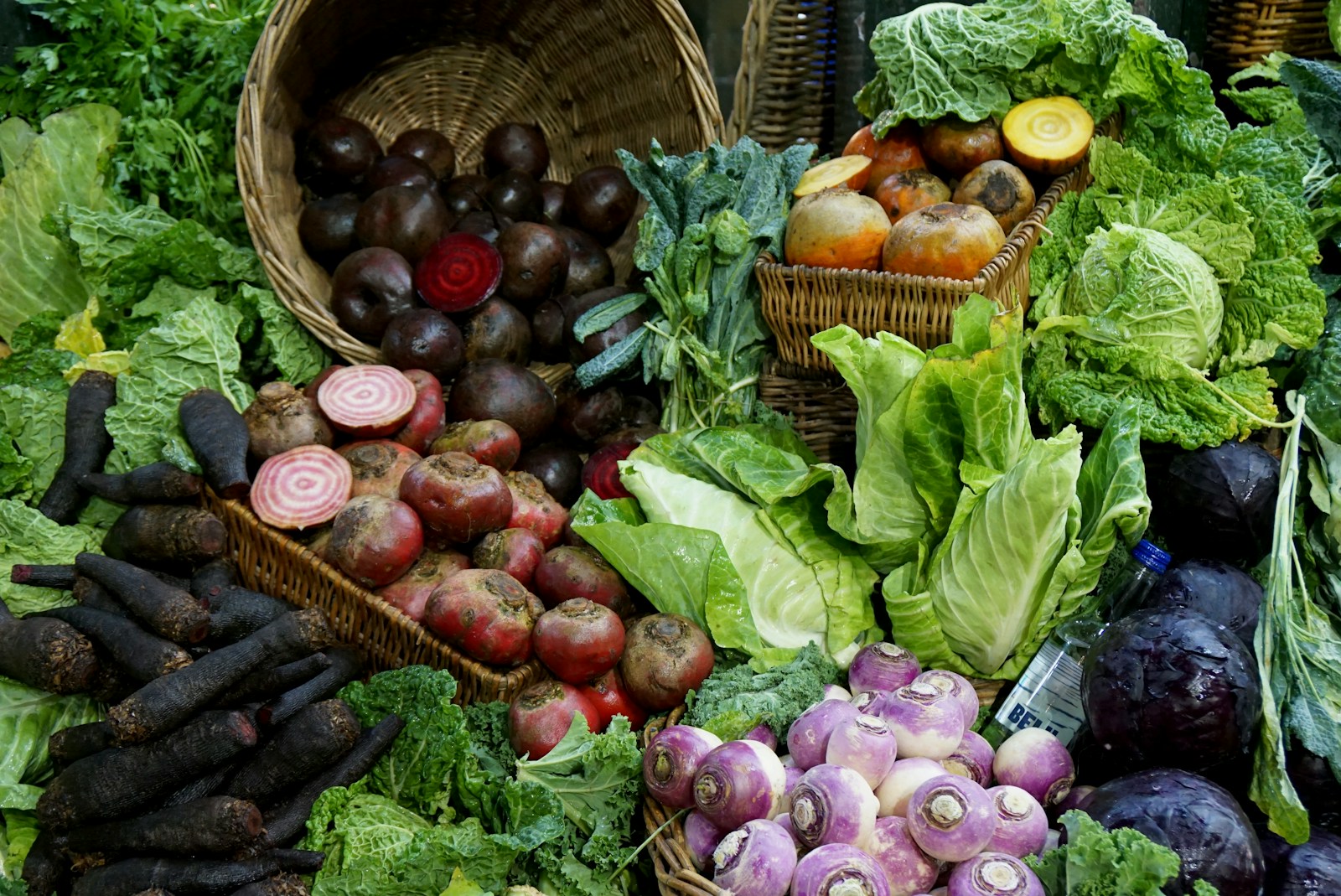
Year-round Vegetable Gardening: A Comprehensive Guide to Growing Fresh Produce in Every Season
Year-round vegetable gardening is a rewarding way to enjoy fresh produce every month. With proper planning and the right techniques, you can cultivate a variety of vegetables in your garden, regardless of the season. This approach not only extends your harvest but also allows you to enjoy seasonal flavors all year long.
Growing vegetables year-round is easier than it may seem. You can select cold-hardy crops and create a thriving indoor garden. Many vegetables, like leafy greens, broccoli, and even certain legumes, can grow in different conditions, giving you options to work with throughout the year.
Whether you live in a climate with harsh winters or enjoy mild weather, there are strategies to ensure that you can keep your garden producing. From using protective coverings to employing container gardening, you have many methods at your disposal to achieve a successful year-round vegetable garden.
Planning Your Vegetable Garden
When planning your vegetable garden, it’s crucial to consider your local climate, the types of vegetables that thrive year-round, and how to layout your garden effectively. These elements will help you achieve a productive garden throughout the seasons.
Understanding Your Climate Zone
Start by identifying your climate zone. This helps you understand the growing conditions specific to your area. The USDA Plant Hardiness Zone Map is a great resource for this.
- Find Your Zone: Research maps or online tools to pinpoint your zone.
- Temperature Ranges: Know the typical temperatures for your zone and the last frost dates.
- Adverse Conditions: Consider local weather patterns, such as rainfall and humidity.
This knowledge will guide you in selecting the right vegetables for your garden.
Choosing Vegetables for Year-Round Growth
Selecting vegetables that can grow in different seasons is essential. Some vegetables are better suited for cooler weather, while others thrive in warmth.
- Cool-Season Crops: Include spinach, kale, and broccoli. These can be planted in early spring or fall.
- Warm-Season Crops: Opt for tomatoes, peppers, and cucumbers. Plant these after the last frost.
- Succession Planting: Plan to plant new crops as soon as the previous ones are harvested to ensure continuous yield.
- Stagger Planting: If you are planting a row of beans or peas. Plant half the row and then in 2-3 weeks plant the remainder of the row, this extends the harvesting time.
- Range of Vegetables: Always grow a range of vegetables that make use of the different micro-climates in your garden. You can include root crops, climbing crops, low growing leaves and taller bushes. Aim for as many plants as possible in the space you have.
Aim for a mix of varieties to keep your garden vibrant and productive.
Garden Layout and Design Considerations
A well-thought-out garden layout can maximize your space and productivity. Here are some key aspects to consider.
- Sunlight: Make sure your garden site receives adequate sunlight. Most vegetables need at least six hours of direct sunlight.
- Accessibility: Design walkways between rows for easy access to plants.
- Plant Spacing: Use a grid or staggered layout to optimize space while allowing for growth.
- Movable Growing Containers: Consider large grow bags, pots or troughs to give more flexibility of your growing areas. Containers can be moved with the seasons, and so extend the growing season.
Consider using raised beds or containers to make maintenance easier and improve drainage.
Maintenance and Care
Maintaining a year-round vegetable garden requires attention to soil health, proper watering, pest management, and seasonal care. Each aspect plays a crucial role in ensuring your garden remains productive and healthy.
Soil Health and Nutrient Management
Healthy soil is vital for plant growth. Start by testing your soil to determine its nutrient content and pH level. You can buy a soil test kit at a garden center or send a sample to a laboratory.
To improve soil health, add organic matter like compost or well-rotted manure. This adds nutrients and improves soil structure.
You should also practice crop rotation. This prevents nutrient depletion and reduces disease risk. Each year, plant different types of vegetables in various spots.
Key nutrients to consider:
- Nitrogen: Promotes leaf growth.
- Phosphorus: Supports root and fruit development.
- Potassium: Helps with overall plant health.
- Micro nutrients.
Watering Strategies for Different Seasons
Your watering approach changes throughout the year. In spring and summer, when temperatures rise, your plants need more water. Aim to water deeply and less frequently, encouraging deep root growth. Water early in the morning to reduce evaporation.
During fall and winter, your watering needs decrease. Monitor rainfall and only water if the soil feels dry. In winter, plants may go dormant, so they require less moisture.
Consider using mulch to retain moisture in the soil and reduce weeds. Organic mulches like straw or wood chips work well.
Pest Control and Disease Prevention
Pests and diseases can harm your crops. Regularly inspect your plants for any signs of trouble, such as holes in leaves or discoloration.
One effective way to control pests is through companion planting. For example, planting marigolds can deter certain insects.
Incorporate natural pest control methods, such as introducing ladybugs or using neem oil. Always focus on prevention by maintaining healthy plants and ensuring good airflow to reduce disease risks.
Simple pest management techniques:
- Remove any affected plants or leaves promptly.
- Use row covers to protect young plants.
- Keep your garden clean and free of debris.
Seasonal Plant Care and Harvesting
Throughout the year, your care routine should change based on the season. In spring, prepare your garden by clearing debris and planting new seeds. As the growing season progresses, monitor growth and support taller plants with stakes or cages.
During summer, regular harvesting encourages continuous production. Pick ripe vegetables often to prevent overripening.
In fall, focus on harvesting any remaining crops before frost hits. Clean and prepare your garden for winter by removing dead plants and adding a layer of mulch.
Remember to plant cover crops in late fall. These add nutrients to the soil and prevent erosion during winter.