
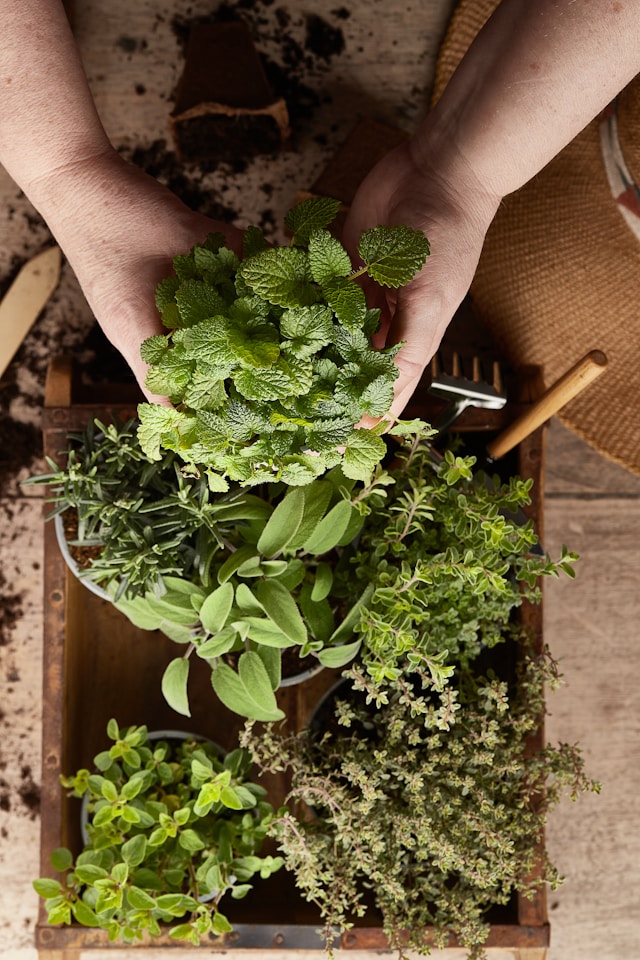
Easy Herbs Beginners Can Grow for a Thriving Garden
If you’re looking to start your own herb garden, you’re in luck. Many herbs are easy to grow, even for beginners. Mint, basil, parsley, and chives are some of the best options to get you started. These herbs not only add flavor to your meals but also require minimal care and can thrive in various conditions.
Growing herbs is a rewarding experience. They can flourish in your kitchen, on a balcony, or even in your backyard. With just a little sunlight and water, you’ll enjoy fresh herbs that enhance your cooking. Plus, having your own herbs means you can enjoy them at their peak freshness.
In this guide, you’ll discover the easiest herbs to cultivate, along with tips on how to care for them. Whether you’re an experienced gardener or have never planted anything before, you will find straightforward advice here to help you succeed.
Starting Your Herb Garden
Starting your herb garden can be a rewarding experience. Knowing which herbs to choose, understanding their growing needs, and learning how to properly plant and care for them will help you succeed.
Choosing the Right Herbs
Begin with herbs that are easy to grow and maintain. Here are some great options:
- Basil: Thrives in warm weather and needs plenty of sunlight.
- Cilantro: Grows quickly and can be harvested throughout the summer.
- Parsley: An adaptable herb that can flourish in various conditions.
- Dill: Best grown from seed and pairs well with many dishes.
Choose herbs based on your cooking preferences and climate. If you’re new to gardening, stick to 2-4 varieties to avoid feeling overwhelmed.
Understanding Soil and Sunlight Needs
Herbs prefer well-drained soil that retains some moisture. A mix of potting soil and compost works well.
Make sure your herbs get enough sunlight. Most herbs require at least 6 hours of direct sunlight each day. If you’re growing indoors, place them near a sunny window or consider supplemental grow lights.
Regularly check the soil moisture. You want it to be moist but not soggy. Adjust your watering based on the light and temperature in your growing area.
Planting and Watering Essentials
When planting herbs, space them according to their needs. For example, basil should be about 12 inches apart, while cilantro can be planted closer, about 6 inches apart.
Water your herbs consistently. Early morning is the best time to water. Ensure the soil is damp but not waterlogged.
Use a gentle watering method, like a watering can with a spout. This helps direct water to the roots without disturbing the soil.
Pay attention to your plants. Yellowing leaves may indicate overwatering, while wilting could mean they need more water. Adjust your care as needed.
Herb Care and Maintenance
Taking care of your herbs is essential for healthy growth and a successful garden. Proper pruning, managing pests, and preparing for winter will help your herbs thrive throughout the seasons.
Pruning and Harvesting
Pruning your herbs encourages bushier growth and prevents them from becoming too leggy. You should trim the stems above a leaf node. This helps the plant produce new growth.
Harvesting should also be done regularly. Aim to take only a third of the plant at a time. This ensures the herb can continue to grow while providing you with fresh leaves.
Use sharp scissors or garden shears for clean cuts. This helps prevent damage to the plant. Focus on the older leaves first, as younger leaves will be more tender and flavorful.
Pest and Disease Management
Keep an eye on your herbs for common pests like aphids, spider mites, and whiteflies. You can spot them by their small size and the damage they cause. If you notice these pests, you can wash them off with a strong spray of water.
Introduce beneficial insects, like ladybugs, which help control pest populations naturally. If you see signs of disease, such as wilting or spots on leaves, remove affected parts immediately.
Using organic pesticide options, like neem oil, can also help keep your herbs healthy. It’s important to follow the instructions carefully to avoid harming the plants.
Winterizing Your Herb Garden
As temperatures drop, some herbs need special care. First, consider moving pots indoors to protect them from frost. If you have a garden bed, cover it with mulch to insulate the roots.
For perennials like sage and thyme, you can trim them back in late fall. This helps reduce damage from winter weather.
Ensure that your herbs are still getting enough sunlight. If indoors, place them near a sunny window. Regularly check moisture levels; herbs need less water during dormancy but shouldn’t completely dry out.