
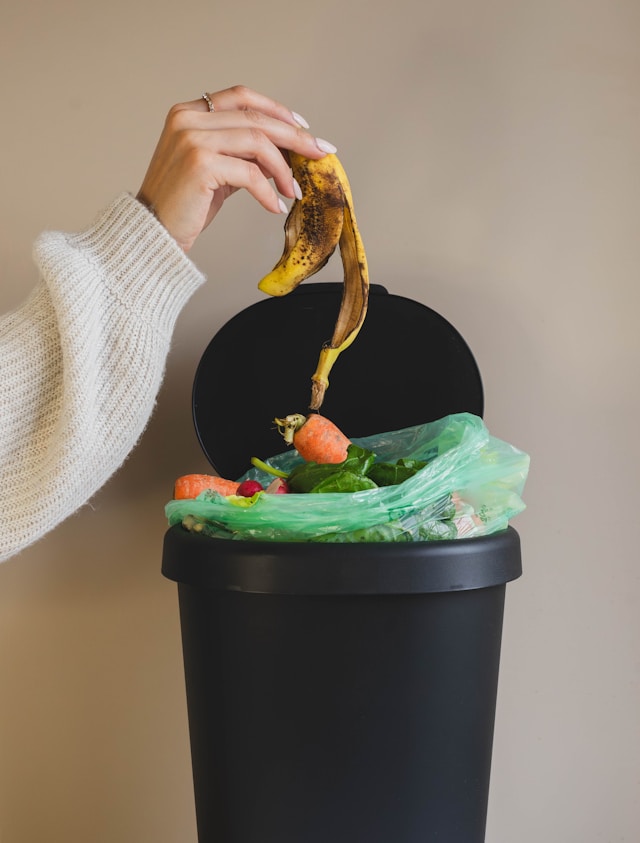
Home Composting Guide: Essential Tips for Successful Organic Waste Recycling
Home composting is an effective way to reduce waste and create rich soil for your garden. By turning kitchen scraps and yard waste into compost, you can contribute to a healthier environment and save money on fertilizers. You can start composting at home with just a few simple steps, making it easy for anyone to join the movement towards sustainable living.
Finding the right spot for your compost pile is crucial. Look for a dry, shady area where you have space to build your pile. The ideal location helps maintain moisture and temperature, which are important for decomposing materials. Gathering the right ingredients—like vegetable scraps, grass clippings, and leaves—will set you up for success in creating nutrient-rich compost.
Once you have your compost pile established, maintaining it is key. Turning the pile occasionally helps aerate it, speeding up the composting process. With just a bit of effort, you can transform organic waste into valuable compost that enriches your garden soil and promotes healthy plant growth.
Composting Basics
Composting at home is a simple way to recycle organic waste and create rich fertilizer for your garden. Understanding the benefits, what composting is, and its key principles will help you start easily.
Benefits of Home Composting
Home composting has several advantages.
- Waste Reduction: It decreases the amount of waste sent to landfills. This helps reduce pollution and conserves resources.
- Nutrient-Rich Fertilizer: Compost improves soil quality and provides essential nutrients to plants. It enhances plant growth and vegetable production.
- Soil Health: Compost supports the development of beneficial microorganisms in the soil. This leads to healthier plants and a stronger ecosystem.
By composting at home, you contribute to a sustainable environment while benefiting your garden.
What Is Composting?
Composting is the process of breaking down organic materials into a nutrient-rich amendment.
- Organic Material: Common items include fruit and vegetable scraps, coffee grounds, eggshells, grass clippings, and leaves.
- Microorganisms: Bacteria, fungi, and other organisms play a crucial role in decomposition. They help convert waste into usable compost.
This process typically occurs in a controlled environment, ensuring that the materials decompose effectively and quickly.
Key Principles of Composting
Understanding key principles can improve your composting success.
- Carbon-to-Nitrogen Ratio: Compost needs a balance of carbon (“browns”) and nitrogen (“greens”). Ideal ratios are around 30:1.
- Aeration: Turning your compost pile allows air to circulate, which speeds up decomposition. It also prevents odors and unwanted pests.
- Moisture: Keeping the compost moist (but not too wet) is vital. The right moisture levels help microbes thrive.
By following these principles, you can create a successful composting system at home.
Setting Up Your Home Composting System
Creating a home composting system is a great way to reduce waste and enrich your garden. Follow these key steps to set up your composting system effectively.
Selecting a Composting Method
You have a few options for composting methods. The most common are traditional compost bins, worm composting, and tumblers.
Traditional Compost Bins: These are usually made of wood or plastic. They require turning the compost regularly to aerate it.
Worm Composting (Vermicomposting): Suitable for small spaces, this method involves using worms to help break down food scraps. This requires less maintenance and produces nutrient-rich fertilizer quickly.
Compost Tumblers: This method allows you to easily turn your compost by rotating the bin. It speeds up the decomposition process.
Choose a method that fits your space and needs.
Choosing the Right Location
The location of your compost bin is vital for success.
Sunlight: Find a spot that receives some sunlight. This helps to heat the compost and accelerate decomposition.
Drainage: Ensure your compost is on well-drained soil. This prevents excess moisture from building up.
Accessibility: Place your bin where you can easily reach it. You’ll want to add materials and turn the compost regularly.
A good site helps maintain the right temperature and moisture level for effective composting.
Gathering Essential Tools and Materials
You’ll need a few tools and materials to set up your compost system successfully.
Tools:
- Pitchfork or Garden Fork: For turning and aerating the compost.
- Shovel: Helpful for moving compost around.
- Compost Thermometer: To monitor the temperature, which indicates how well the compost is breaking down.
Materials:
- Browns: Dry leaves, straw, and cardboard are great for carbon.
- Greens: Vegetable scraps, grass clippings, and coffee grounds are essential for nitrogen.
Remember that balance is key. You should aim for about three parts browns to one part greens. This ratio helps create efficient compost.