
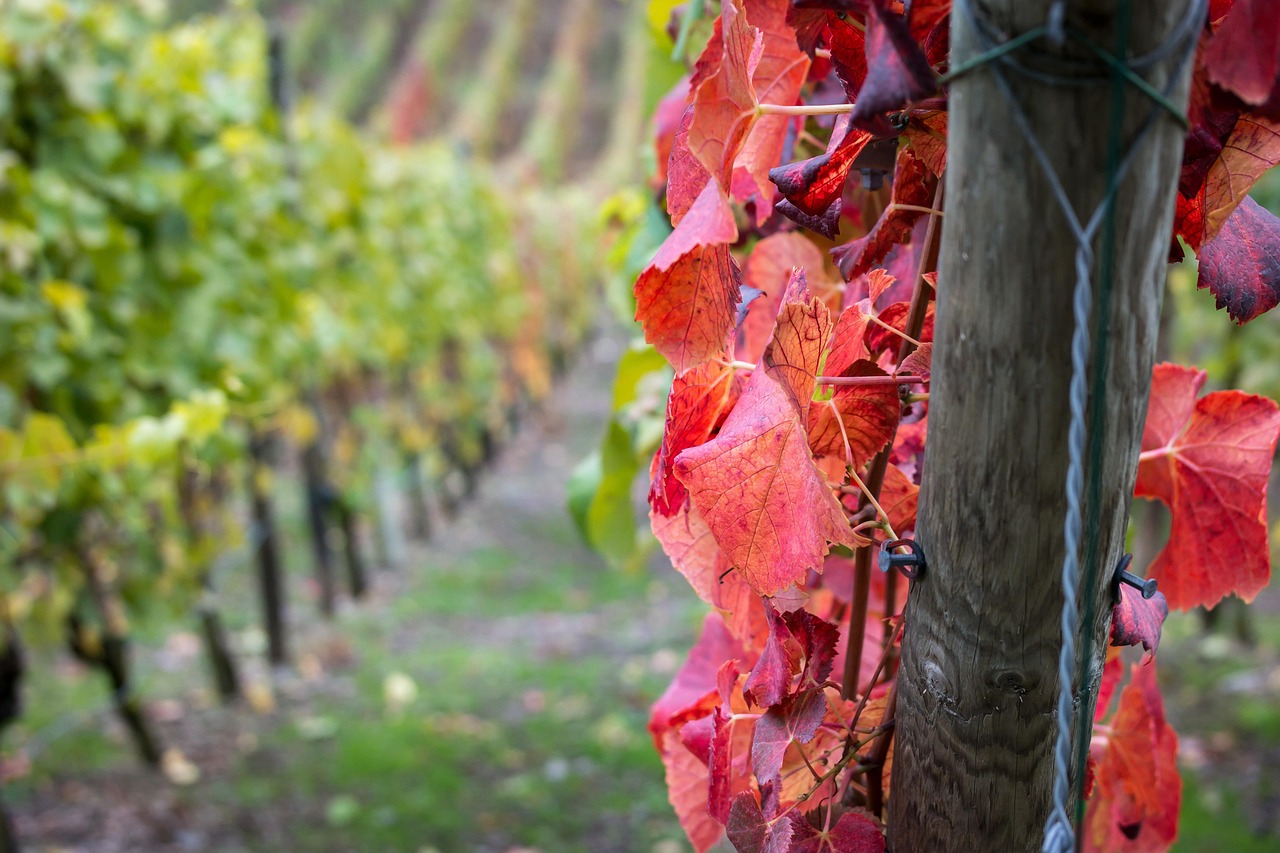
Plant Support Systems: Essential Solutions for Thriving Gardens
Are you looking for ways to keep your plants healthy and upright? Plant support systems are essential tools that help your plants grow strong and sturdy. Whether you have climbing flowers or tall vegetables, the right support can prevent damage and ensure they thrive.
There are various types of plant supports available, from stakes and cages to trellises and nets. These tools not only keep your plants steady but also allow for better air circulation and light exposure, which are key factors for growth. Exploring different options can help you find the best fit for your garden’s needs.
Investing in proper plant support can save you time and effort in the long run. As you nurture your plants, the right support system will help you achieve a thriving garden while reducing the risk of breakage or disease.
Fundamentals of Plant Support Systems
Plant support systems help your garden thrive by providing stability and promoting healthy growth. Understanding the different types of structures, materials, and benefits can improve the way you care for your plants.
Types of Plant Support Structures
There are several plant support structures you can use. Here are some common types:
Stakes: These are simple poles inserted into the ground beside plants. They are ideal for supporting tall or top-heavy plants like tomatoes or sunflowers.
- Trellises: Trellises are framework structures made of slats or wires. They work well for climbing plants such as cucumbers and beans, allowing them to grow upward and save space.
Cages: These are typically wire frames that surround plants. They provide strong support for bushy plants and keep them upright.
Arbors and Pergolas: These larger structures are often used in landscaping and support vines and flowering plants. They create beautiful garden features.
Materials Used for Plant Supports
Different materials offer various benefits for plant supports. Consider the following options:
Wood: This is a common choice for stakes and trellises. It’s natural but may rot over time. Use treated wood for longer life.
Metal: Metal supports are durable and resistant to weather. They can withstand heavy plants but may conduct heat.
Plastic: Lightweight and rust-proof, plastic supports are easy to install. However, they can break down in sunlight.
Natural Fibers: Materials like jute or cotton are useful for tying plants. They are biodegradable and gentle on plants.
Benefits of Using Plant Supports
Using plant supports brings several advantages to your garden. Key benefits include:
Improved Air Circulation: Supports keep plants off the ground, allowing for better airflow. This can help prevent diseases caused by moisture.
Better Light Exposure: Upright plants receive more sunlight. This can improve growth and yield, especially for crops like peppers and squash.
Organized Garden Layout: Supports create a structured appearance in your garden. This makes maintenance easier and enhances the aesthetic appeal.
Pest Control: Elevated plants can be less accessible to some pests, reducing damage. This can lead to healthier plants and higher harvests.
Implementation and Care
Proper installation and maintenance of plant support systems ensure healthy plant growth and longevity. Understanding installation techniques, maintaining systems, and overcoming common issues is essential for success.
Installation Techniques for Supports
When installing plant supports, start by assessing your plants’ needs. For example, tall or vining plants often require stronger supports. Use the following tips for effective installation:
- Stakes: Choose sturdy materials like wood or metal. Place them deep into the soil to provide stability.
- Trellises: Attach trellises securely to walls or fences, ensuring they can withstand wind and weight.
- Cages: For short plants, wire cages can help keep them upright. Ensure they’re tall enough to accommodate growth.
Make sure to position supports early in the growing season to avoid disturbing plant roots later.
Maintenance of Plant Support Systems
Regular maintenance keeps your support systems functioning well. Here are some tips to consider:
- Inspect Supports: Check for damage or instability, especially after storms or heavy rains. Replace or reinforce as needed.
- Adjustments: As plants grow, you may need to adjust ties or supports. This helps prevent breakage and allows for proper growth.
- Cleanliness: Keep the area around supports clear of debris. This prevents pests and diseases from affecting your plants.
By staying proactive, you can significantly extend the life of your support systems.
Common Challenges and Solutions
You might face some challenges with plant support systems. Here are a few common issues and how to address them:
- Weak Stability: If a support wobbles, bury it deeper or use a wider base for better stability.
- Plant Breakage: If plants are snapping, use softer ties that won’t damage stems.
- Pest Attractiveness: Some supports can attract pests. Use natural repellents or keep plants healthy to deter issues.
Being aware of these challenges allows you to act quickly and maintain a healthy garden.