
Small-space Salad Growing: Tips for Thriving Greens in Limited Areas
Growing your own salad greens in a small space can be a rewarding experience. Whether you have a sunny windowsill, a small balcony, or even just a corner of your patio, you can create a thriving salad garden with the right approach. You can enjoy fresh, vibrant salads by choosing the right containers and plants for your limited space.
To start, consider what types of greens thrive well in smaller settings. Lettuce is an excellent choice, as it grows best in cooler temperatures and can adapt to container gardening. With just 6 to 8 inches of soil, you can cultivate a variety of lettuces or other greens, providing you with fresh produce right at your fingertips.
Small-space gardening doesn’t require a lot of time or complex setups. Simple strategies like using pots or raised beds can maximize your yield. With a little effort and creativity, you can transform a tiny area into a lush salad garden that offers both joy and delicious homegrown greens.
Choosing the Right Containers for Small-Space Salad Growing
Selecting the right containers is crucial for a successful small-space salad garden. Your choices will affect plant health, growth, and ease of care. Focus on size, material, and drainage to create the best environment for your salad greens.
Size and Depth Considerations
When picking containers, size and depth are essential. Most salad greens, like lettuce and spinach, need at least 6 to 12 inches of soil depth. This depth allows roots to spread and access nutrients.
Container Sizes:
- Small Pots (6-8 inches): Good for herbs or baby greens.
- Medium Pots (10-12 inches): Suitable for standard salad greens.
- Large Containers (14 inches and up): Best for more extensive plant varieties or mixed salads.
- Recycled polystyrene boxes (18 inches x 12 inches x 6 inches): Ideal for a mix of salad greens and herbs.
Choose containers that are wide enough for multiple plants if you’re growing different greens together. This setup can provide more yield in a limited space.
Material Pros and Cons
Container materials will impact durability, weight, and moisture retention. Here are some common options:
- Plastic: Lightweight and affordable but may not last long.
- Metal: Very durable, like steel tubs, but can get hot in the sun.
- Clay: Great for air circulation but heavy and can dry out quickly.
- Fabric: Breathable and great for root health, but may need more frequent watering.
Consider your climate when choosing the material. In hotter areas, materials like fabric promote better air circulation and manage temperatures better.
Drainage Needs
Proper drainage is vital for plant health. Without it, roots can rot, leading to poor growth.
- Containers should have holes: Ensure any container you choose has drainage holes at the bottom. This helps excess water escape.
- Use a layer of rocks or gravel: For added drainage, you can place a layer of small stones at the base before adding soil.
- Monitor water levels: Check soil moisture regularly to avoid overwatering.
Use containers that are easy to lift and move, allowing for adjustments based on sunlight and water needs.
Optimal Salad Greens for Limited Spaces
When you have a small area to grow, choosing the right salad greens is essential. Certain leafy varieties do well in containers, while others, like microgreens, can thrive in tiny spots. Herbs also add flavor and nutrition without requiring much room.
Leafy Varieties Suited for Containers
Leafy greens are perfect for small spaces. Here are some top choices:
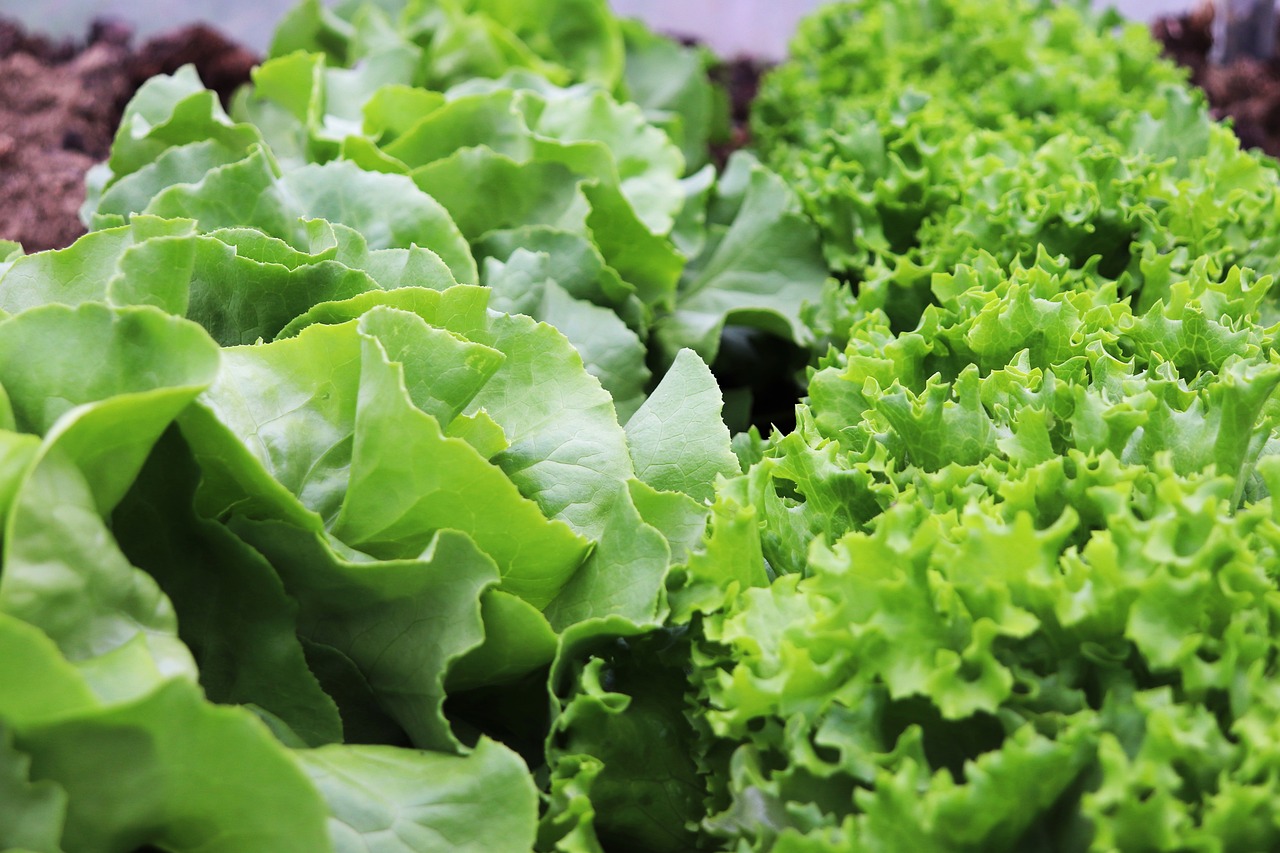
- Lettuce: Varieties like butterhead and leaf lettuce do well in shallow containers. They grow quickly and can be harvested continuously.
- Spinach: This green is nutrient-rich and grows well in limited space. It is ideal for cooler temperatures.
- Arugula: With its spicy flavor, arugula grows rapidly and can be planted close together.
Choose containers that are at least 6 inches deep. This depth allows roots to spread comfortably, giving you healthy plants. Plant in a rich potting mix for best results, and remember to water regularly.
Growing Microgreens
Microgreens are young plants that are picked just after the first leaves appear. They require minimal space and offer intense flavor and nutrients.
To grow microgreens:
- Select Seeds: Popular options include radish, mustard, and broccoli. These germinate quickly and are easy to grow.
- Use Shallow Trays: A depth of just 1 to 2 inches is sufficient. Fill trays with potting soil and scatter seeds evenly.
- Water and Light: Keep the soil moist and place the trays in indirect sunlight. They typically take 7 to 14 days to harvest.
Microgreens can be used in salads or as a garnish, enhancing both taste and nutrition.
Caring for Herbaceous Salad Additions
Herbs are a great addition to salad gardens in limited spaces. They are easy to grow and add unique flavors.
Consider these herbs:
- Cilantro: Thrives in cooler weather and grows well in containers.
- Basil: Loves warmth and can grow tall but can be pruned to stay compact.
- Chives: A hardy herb that can tolerate a range of conditions and grows well in small pots.
Provide at least 4 to 6 hours of sunlight a day. Water them regularly but avoid overwatering. Using a balanced fertilizer every few weeks will help keep your herbs healthy and productive.