
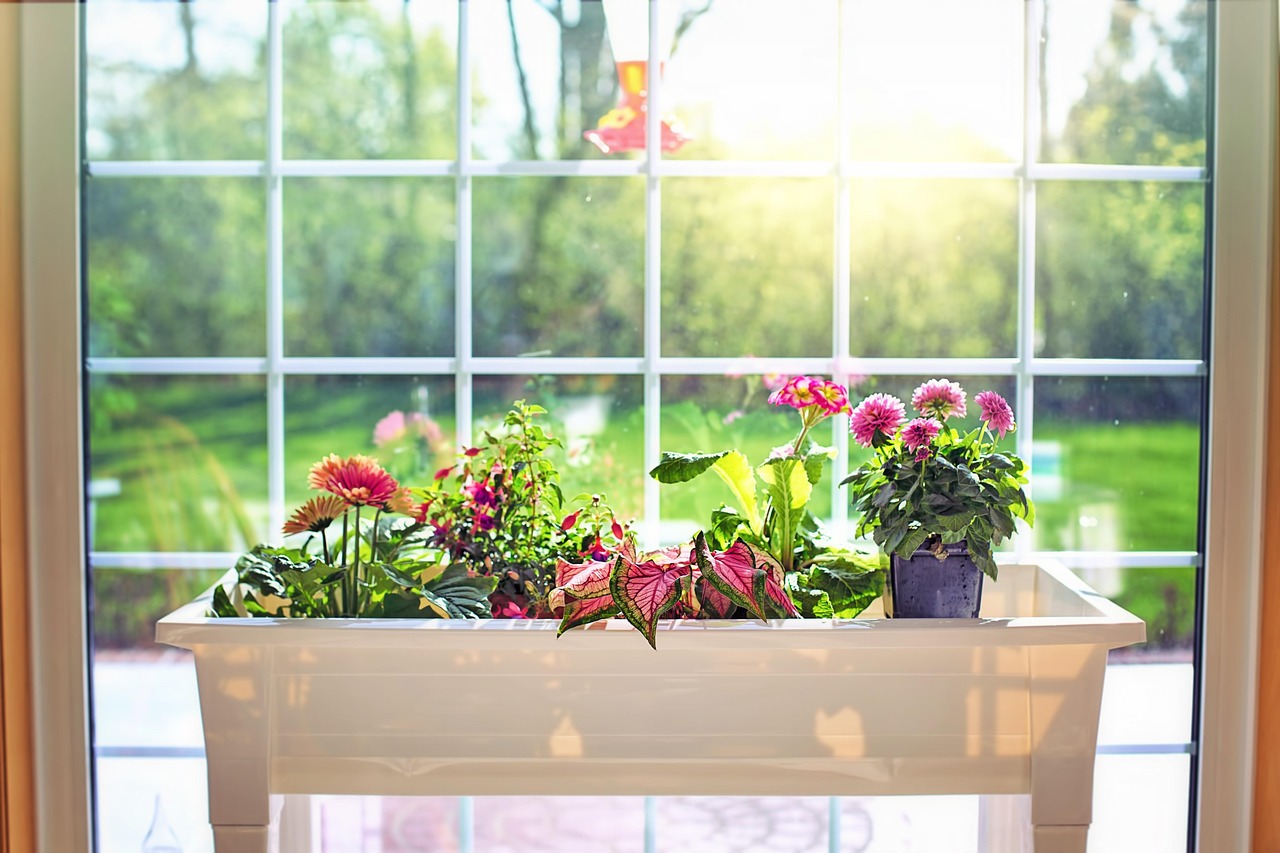
Window Herb Garden: How to Cultivate Fresh Herbs in Small Spaces
Growing a window herb garden is a simple and rewarding way to add fresh flavors to your meals. You can easily cultivate a variety of herbs like basil, parsley, and mint right in your kitchen, making your cooking more enjoyable and your dishes tastier. All you need is a sunny windowsill and some basic supplies to get started.
Herbs thrive in bright light, so choose a spot that receives plenty of sunshine, preferably facing south (in the northern hemisphere). Many herbs like chives and cilantro prefer cooler conditions, while others like basil love warmth and sun. With the right herbs and care, your small garden will flourish in even the tightest spaces.
Not only does having fresh herbs on hand enhance your cooking, but it also adds a charming touch to your kitchen. With options like window boxes and kits available, you can create a personalized herb garden that suits your cooking needs and your space.
Setting Up Your Window Herb Garden
Creating a successful window herb garden starts with making thoughtful choices about location, plant selection, containers, and soil. Each step is essential for growing healthy herbs that can thrive in your home.
Choosing the Right Window
Selecting the right window is crucial for your herb garden. A south-facing window (in the northern hemisphere) is the best option. This position receives the most sunlight throughout the day. In the southern hemisphere, a north facing window is the best option.
Aim for at least 4 to 6 hours of direct sunlight. If a south-facing window isn’t available, consider those with ample light throughout the day.
Keep in mind that you can also supplement with grow lights if natural light is insufficient. Make sure to regularly rotate your herbs to ensure even growth on all sides.
Selecting Herbs for Your Climate
Not all herbs grow well in every climate. Start by understanding your local weather conditions.
Here are some herbs that generally do well indoors:
- Basil: Thrives in warm conditions.
- Parsley: Can grow in partial shade.
- Cilantro: Prefers cooler temperatures.
Consider starting with self-sowing annual herbs, like dill and cilantro, which require less maintenance. Check if the herbs you choose are suited for your region’s climate for the best results.
Containers and Planters
Containers play a key role in the success of your window herb garden. Choose pots with good drainage holes to prevent excess water from pooling.
Terracotta pots are a popular choice because they allow for air flow. You can also try window boxes, many of which are perfect for growing herbs.
Here are some factors to consider:
- Size: Ensure containers are large enough for the roots to grow.
- Material: Choose materials that retain moisture but also allow for drainage.
Using uniform pots can help with aesthetics and maintain a tidy look.
Soil and Plant Nutrition
Choosing the right soil is essential for growing herbs. Use a high-quality potting mix designed for container plants. This type of soil will retain moisture while allowing proper drainage.
In addition to soil, consider using organic fertilizers. These will provide the necessary nutrients for your herbs. Feed your plants every 4 to 6 weeks during the growing season for the best results.
Always monitor your plants for signs of nutrient deficiency, such as yellowing leaves. Adjust your feeding schedule as needed to keep your herbs healthy.
Maintaining Your Herb Garden
Caring for your windowsill herb garden is essential for healthy, thriving plants. You’ll need to focus on watering techniques, pruning and harvesting, and pest control to keep your herbs in great shape.
Watering Techniques
Water your herbs carefully to avoid root rot. Check the top inch of soil; if it feels dry, it’s time to water. Use a potting mix that retains moisture but also drains well. This balance helps prevent your herbs from wilting or becoming overwatered.
When watering, aim for the base of the plant rather than the leaves. This method ensures the water reaches the roots where it is needed most. A small watering can with a spout is useful for precision.
Make sure to adjust your watering based on the season. During warmer months, you may need to water more frequently. In cooler months, cut back to prevent sogginess.
Pruning and Harvesting
Regular pruning helps your herbs grow fuller and healthier. Trim back any dead or yellowing leaves to improve air circulation. Also, pinch off the tops of the herbs to encourage bushier growth.
When harvesting, take only a few leaves from each plant. This helps the plant continue to produce new growth. Always use clean scissors or shears to avoid introducing any bacteria.
Timing is key to harvesting. Herbs like basil and mint taste best just before they flower. This practice enhances both the flavor and aroma of your herbs.
Pest Control
Watch for common pests like aphids, spider mites, and whiteflies. Regularly inspect the undersides of leaves and soil for any signs of infestation. If you spot pests, remove them by hand or wash them off with a gentle spray of water.
For minor pest problems, a homemade soap solution can be effective. Mix a few drops of liquid soap in water and spray the affected areas. This solution helps eliminate pests without harming the plants.
It’s important to keep your growing area clean. Remove any dead leaves or debris that can attract pests. Good hygiene in your herb garden makes a big difference in keeping pests at bay.