
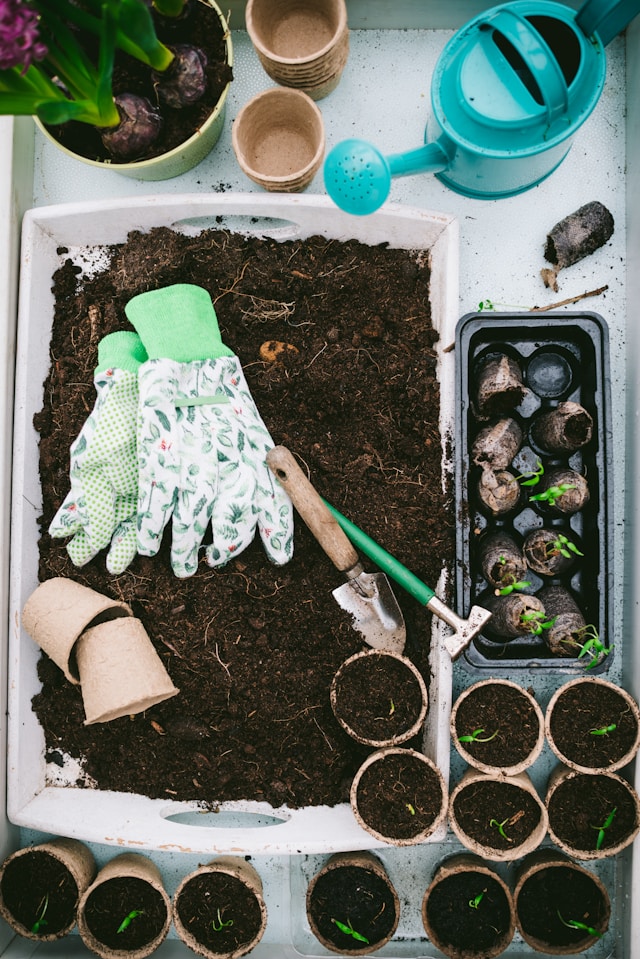
Zero-Waste Gardening: Sustainable Practices for a Greener Future
Zero-waste gardening is an approach that helps you grow your own food while minimizing waste. This method focuses on using resources wisely and reducing reliance on plastic materials. By implementing zero-waste practices in your garden, you can enjoy fresh produce and contribute to a healthier planet.
Many simple strategies can help you start this sustainable gardening journey. For example, making your own compost and using natural mulch can greatly reduce waste. You can repurpose household items, turning old containers into useful planters, which keeps plastic out of landfills.
As you learn about zero-waste gardening, you’ll discover how to maximize your space and improve the health of your plants. With a focus on sustainability, you’ll find that gardening can be both rewarding and eco-friendly. Embracing this approach not only benefits your garden but also supports a larger movement toward environmental care.
Fundamentals of Zero-Waste Gardening
Zero-waste gardening focuses on reducing waste and using resources efficiently. It encourages sustainable practices that benefit the environment and promote healthy plant growth.
Principles of Zero Waste
The key principles of zero-waste gardening include reducing, reusing, and recycling. You should start by minimizing waste in your gardening setup. This means choosing seeds that are well-suited to your climate and conditions, which reduces the chances of plant loss.
Composting is also vital. Instead of throwing out kitchen scraps and garden waste, create a compost bin. This process recycles organic matter into nutrient-rich soil.
Additionally, collect rainwater for irrigation to conserve water. Implementing these principles makes your garden not only sustainable but also helps maintain a healthy ecosystem.
Sustainable Gardening Techniques
Sustainable gardening techniques include companion planting and crop rotation. Companion planting involves growing different plants together that benefit each other. For example, you can plant tomatoes with basil, as they enhance each other’s growth and flavor while repelling pests.
Crop rotation is about changing the types of plants in a particular area each year. This prevents nutrient depletion and helps control pests and diseases.
Using natural pest control methods, such as introducing beneficial insects like ladybugs, can reduce chemical use. You should also focus on selecting native plants. These require less water and attract local pollinators. By incorporating these techniques, you’ll create a thriving zero-waste garden.
Implementing Zero-Waste Practices
Adopting zero-waste practices in your garden is essential for sustainability. These practices not only help the environment but also enhance your garden’s health and productivity. Focus on composting, water conservation, recycling, and organic pest control to create a thriving space.
Composting and Soil Health
Composting is vital for maintaining soil health. Start by collecting kitchen scraps like fruit and vegetable peels, eggshells, and coffee grounds. Yard waste such as leaves, grass clippings, and small branches can also be added.
When composting, balance “green” materials (nitrogen-rich) and “brown” materials (carbon-rich). A good mix helps speed up decomposition.
Use a compost bin or pile, and turn it regularly to aerate the material. In about 2-3 months, you will have nutrient-rich compost that improves soil structure, retains moisture, and provides essential nutrients to your plants.
Water Conservation Strategies
Water conservation is key to a zero-waste garden. Implement drip irrigation systems to deliver water directly to plant roots. This method reduces water waste compared to traditional sprinklers.
Collect rainwater in barrels to use for your garden. It’s a simple and effective way to make use of natural resources. Position barrels under gutters to maximize collection.
Mulching is another great technique. Add a layer of organic mulch around plants to suppress weeds and retain moisture. This not only saves water but also enriches the soil as it breaks down.
Recycling and Upcycling Materials
Recycling and upcycling are effective ways to cut down on waste. Use old containers, such as cans or bottles, as planters. Be sure to poke holes in the bottom for drainage.
Consider turning wooden pallets into raised garden beds. This gives you a sustainable growing space and keeps materials out of landfills.
You can also recycle paper and cardboard by using them as weed barriers in your garden. Lay them down before adding mulch. They will decompose and enrich the soil while preventing weeds from sprouting.
Organic Pest Control
Managing pests naturally is crucial in zero-waste gardening. Start by attracting beneficial insects like ladybugs and lacewings; they eat harmful pests.
Use natural remedies, such as neem oil or insecticidal soap, to treat infestations. These options are less harmful than chemical pesticides and break down quickly.
Plant companion plants to repel pests. For instance, marigolds deter nematodes, while basil can deter flies and mosquitoes. Monitoring your plants regularly will help you catch issues early and minimize pest damage.