
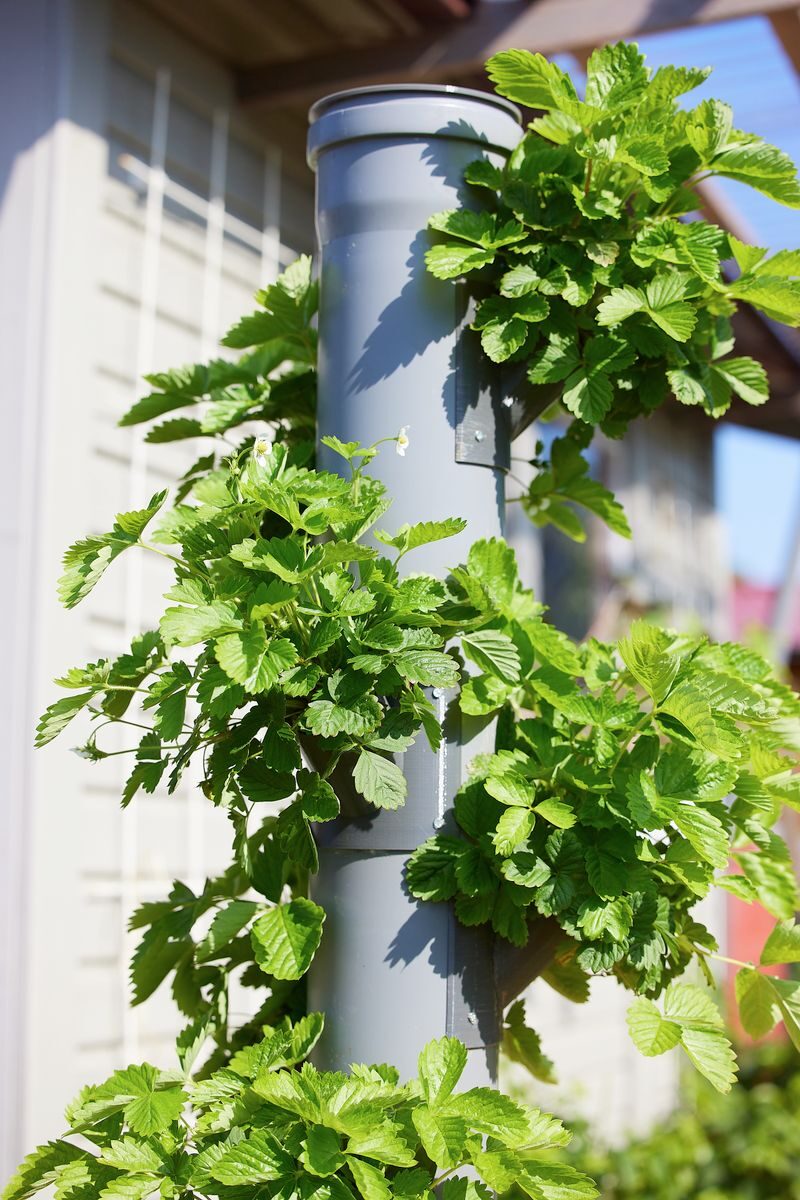
Apartment Hydroponics: A Guide to Growing Fresh Greens in Small Spaces
Apartment hydroponics is an ideal way for you to grow fresh herbs and vegetables right in your living space. With limited room, you might think gardening is out of reach, but that’s not the case. Hydroponic systems allow you to cultivate plants without soil, using water and nutrients to support growth, making them perfect for small apartments.
Many simple hydroponic methods are easy to set up and maintain. You can start with straightforward systems like Deep Water Culture, which requires minimal equipment. This opens up exciting possibilities for urban gardening, allowing you to enjoy fresh produce at home all year round.
By choosing the right system, you can transform any corner of your apartment into a thriving garden. Whether it’s a small indoor kit or a more elaborate setup, you’ll find that hydroponics can fit into your lifestyle and enhance your space.
Fundamentals of Apartment Hydroponics
Apartment hydroponics allows you to grow plants indoors without soil. This method is efficient and can produce fresh vegetables or herbs, even in small spaces. Understanding the basics will help you set up a successful system.
Basic Concepts and Benefits
Hydroponics is a method that uses water, nutrients, and a growing medium to support plant growth. Unlike traditional gardening, it eliminates soil.
Key Benefits:
- Space-efficient: You can grow in limited areas like balconies or kitchens.
- Faster growth: Plants grow quicker due to direct nutrient access.
- Water conservation: Hydroponics uses less water than soil gardening.
You can grow a variety of plants, including lettuce, herbs, and strawberries. It also reduces pests and diseases common in soil, leading to healthier plants.
Choosing the Right System
Selecting the right hydroponic system is crucial for success. Common systems include:
- Deep Water Culture: Plants sit in a nutrient-rich solution with bubbles for oxygen.
- Nutrient Film Technique (NFT): A thin film of nutrients flows past plant roots.
- Ebb and Flow: Floods plants with nutrient solution before draining it away.
Consider your available space, budget, and type of plants you wish to grow. Each system has different needs and complexities. Beginners often start with simple systems that are easier to manage.
Understanding Hydroponic Nutrients
Nutrients are essential for healthy plant growth in hydroponics. You need to provide water with balanced nutrients. Key nutrients include:
- Nitrogen (N): Promotes leaf growth.
- Phosphorus (P): Supports root and flower development.
- Potassium (K): Aids overall plant health.
Using a quality hydroponic nutrient solution ensures plants receive the essentials. Regular monitoring of nutrient levels is necessary to adjust as plants grow. Test both pH and electrical conductivity to maintain optimal conditions.
Implementing Your Hydroponic System
Setting up a hydroponic system in your apartment can be straightforward with the right approach. Pay attention to how you set it up, maintain it, and fix any problems that arise.
Setting Up Your Hydroponic Garden
Choose the right hydroponic system for your space. Deep Water Culture (DWC) and Kratky Method are popular choices for apartments.
- Containers: Use buckets or plastic totes for DWC. They need to be light-proof to prevent algae growth.
- Growing Medium: Choose a medium like clay pellets or rock wool to support your plants. They hold moisture but do not have nutrients.
- Nutrients: Purchase a hydroponic nutrient solution. Follow package instructions for mixing it into water.
- Light: Ensure you have adequate lighting, especially if natural light is limited. LED grow lights are energy-efficient and effective.
- Temperature and Humidity: Keep the growing area between 65°F and 75°F. Maintain humidity levels around 50-70%.
Maintenance and Monitoring
Regular maintenance ensures your hydroponic system thrives. Check water levels and nutrient concentrations often.
- Water Quality: Change the water every 1-2 weeks to prevent build-up of salts and to provide fresh nutrients.
- pH Levels: Test the pH regularly. Ideal levels are between 5.5 and 6.5. Adjust using pH up or down solutions.
- Pests: Watch for pests like aphids or spider mites. Use neem oil or insecticidal soap if you notice any.
Keep an eye on plant health. Leaves should be vibrant and green. Yellowing leaves can signal nutrient issues or pests.
Troubleshooting Common Issues
Even experienced growers face challenges. Here are common issues and their fixes.
- Yellow Leaves: This may indicate nutrient deficiency. Review your nutrient solution and adjust as needed.
- Slow Growth: This can stem from inadequate light or poor water quality. Ensure your plants receive enough light and check water conditions.
- Root Rot: If roots appear brown or mushy, it might be overwatering or a lack of oxygen. Consider enhancing oxygen flow or adjusting water levels.
- Algae Growth: Darken your containers to prevent light exposure that encourages algae. Clean the system to eliminate existing algae.
Addressing these issues promptly helps your hydroponic garden flourish.