
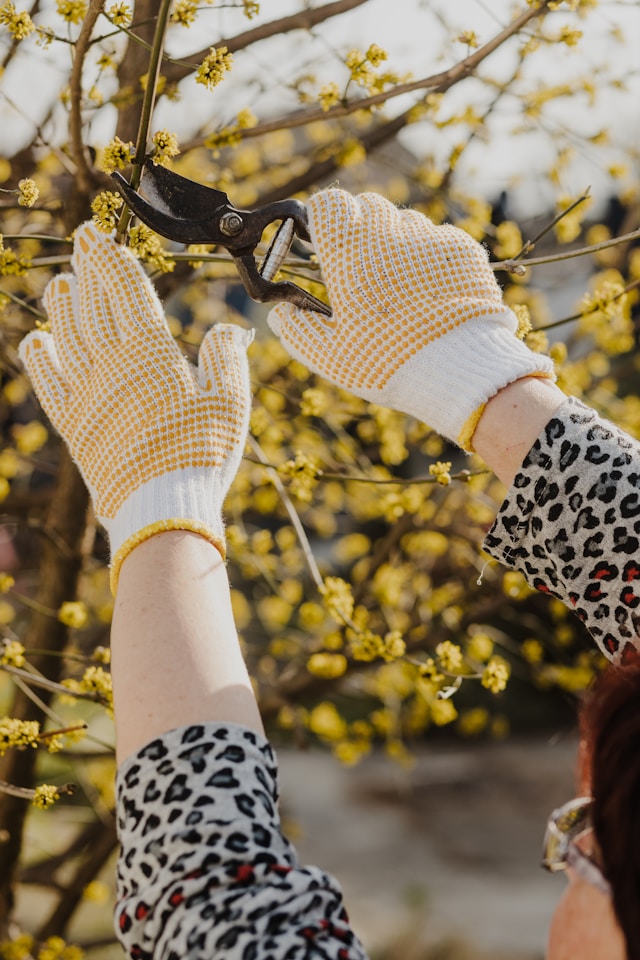
Garden Pruner Selection: Key Factors for Choosing the Right Tools
Choosing the right garden pruner can make a big difference in your gardening experience. The best pruner for you will depend on factors like size, comfort, and cutting power. With so many options available, it’s essential to understand what features to look for to select the most effective tool for your gardening needs.
When shopping for pruners, consider how often you will use them and the types of plants you will prune. Smaller hand pruners are great for delicate tasks, while loppers are suited for thicker branches. Finding the right balance between strength and ease of use will help ensure your gardening tasks are manageable and enjoyable.
In this article, you’ll learn about the different types of pruners, their key features, and how to pick the best one for your garden. Armed with this knowledge, you can confidently choose a tool that meets your specific needs, making your gardening efforts more effective.
Understanding Garden Pruner Types
Choosing the right type of garden pruner is essential for effective gardening. Each style has its own strengths that cater to different tasks. Here’s a closer look at the three main types of pruners.
Bypass Pruners
Bypass pruners are designed like scissors, with two sharp blades that pass by each other. They are ideal for cutting live stems and branches because they make clean cuts that heal quickly.
Key Features:
- Sharp Blades: These blades slice cleanly and minimize damage to plants.
- Comfort: They tend to be comfortable for extended use, especially with ergonomic handles.
- Best For: Bypass pruners work well for pruning flowers, young shoots, and small branches.
When using bypass pruners, ensure that you maintain the blades for smoother cuts. This helps prevent crushing the plant tissue.
Anvil Pruners
Anvil pruners consist of a sharp blade that cuts against a flat surface, or “anvil.” This design is suited for cutting harder materials like dead wood.
Key Features:
- Powerful Cuts: Anvil pruners can handle tougher materials but may create more damage to living plants.
- Budget-Friendly: They are often less expensive than bypass pruners.
- Best For: Use them on dead branches and tougher plants.
Keep in mind that maintaining sharpness is crucial for anvil pruners. A dull blade can lead to unclean cuts, increasing the chance of injury to your plants.
Ratchet Pruners
Ratchet pruners use a unique mechanism that allows you to make cuts in stages. This design reduces the effort needed to cut through tougher branches.
Key Features:
- Easy to Use: These pruners are great for people with limited hand strength.
- Step-by-Step Cutting: The ratchet mechanism means you don’t have to close the handles fully.
- Best For: Ideal for thick branches where extra leverage is needed.
When using ratchet pruners, be aware of how many steps you need to take for each cut. This will help streamline your pruning tasks.
Factors to Consider When Selecting Garden Pruners
Choosing the right garden pruners requires careful thought about several important factors. These include the blade material and sharpness, handle design, cutting diameter, and maintenance needs. Each of these elements can affect how well you can prune your plants.
Blade Material and Sharpness
The blade material plays a vital role in the performance of your pruners. Common materials include stainless steel and carbon steel. Stainless steel is rust-resistant and easier to maintain, while carbon steel is sharper and holds an edge longer but may require more care to prevent rust.
A sharp blade is essential for making clean cuts. Dull blades can damage plants, leading to disease. You should check the sharpness of the blade before use and sharpen it regularly. Consider pruners with replaceable blades for added convenience.
Handle Design and Ergonomics
Comfort matters when choosing pruners, especially during long gardening sessions. Look for handles that fit comfortably in your hand. Ergonomic designs reduce hand fatigue and provide better control.
Materials for handles vary. Rubber grips offer better control and comfort, while plastic handles are lightweight. Some pruners come with adjustable grips, which can be beneficial if multiple users will use the same tool. A comfortable handle can improve your pruning efficiency and reduce strain.
Cutting Diameter and Pruning Tasks
Different pruners are designed for specific cutting tasks. You need to consider the size of the branches you plan to prune. Generally, bypass pruners are suitable for cutting live stems, while anvil pruners work better for dead wood.
Most pruners can handle branches up to ¾ inch in diameter. For thicker branches, consider loppers or pruning saws. Choose a tool that matches your typical pruning tasks for better results and easier use.
Maintenance and Durability
Maintenance is key to keeping your pruners functional. Regular cleaning after use prevents sap and debris buildup. You should also lubricate the pivot point to ensure smooth operation.
Durability is equally vital. Look for pruners made from quality materials that can withstand regular use. Check for warranties offered by manufacturers, as these can indicate the tool’s durability. A well-maintained, durable pruner can serve you for many seasons.