
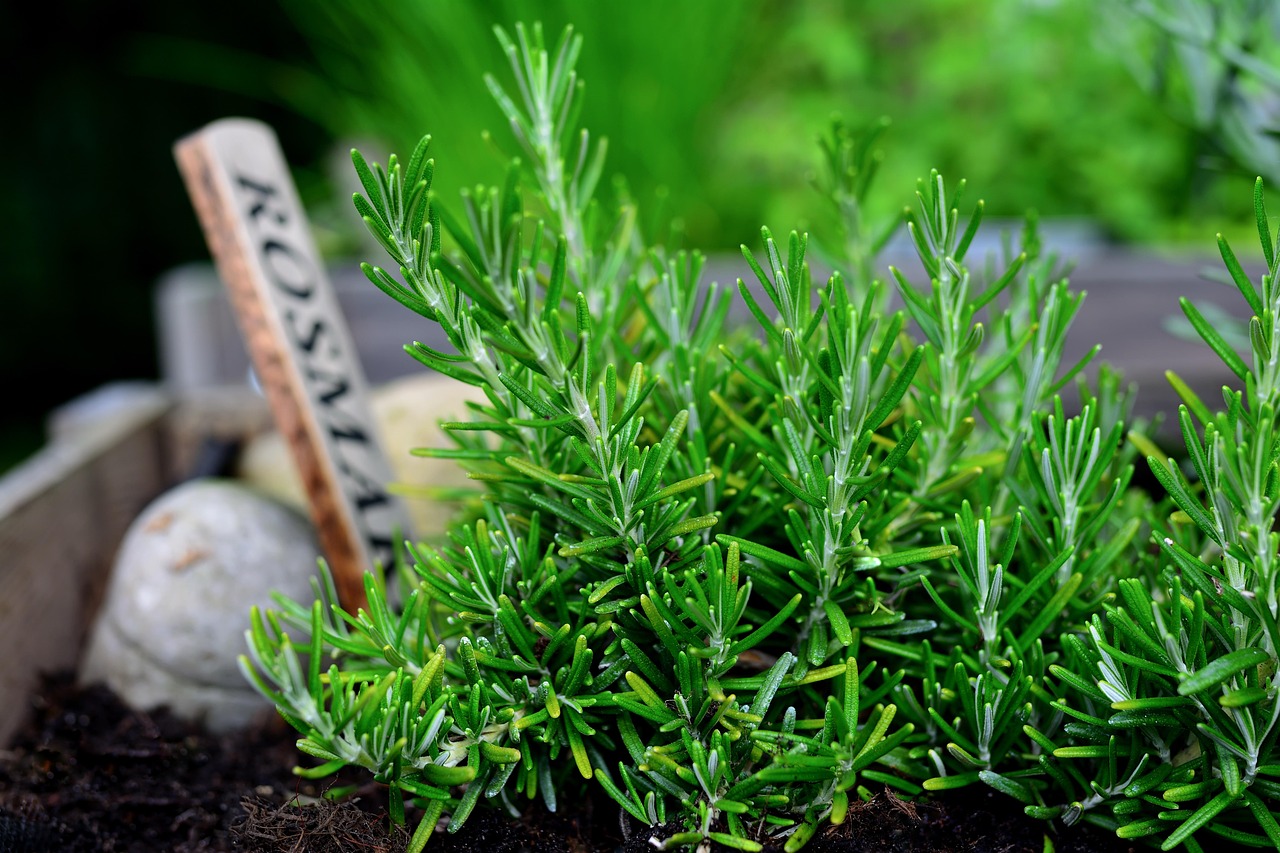
Compact Herb Spirals: Efficient Gardening Solutions for Small Spaces
Creating a compact herb spiral is an efficient way to grow a variety of herbs, especially if you have limited space. This vertical garden design maximizes your growing area and improves drainage while allowing you to cultivate diverse herbs in one small spot. The spiral structure makes it easy to access all your plants and provides different microclimates, which is perfect for herbs that have varying sunlight and water needs.
Building your own herb spiral is simple and can be done with materials like bricks or stones. As you stack them in a spiral, you create an attractive feature that also serves practical purposes. This approach allows water to drain effectively, protecting your herbs from root rot while also giving you a lovely garden element.
Whether you’re looking to spice up your meals or create a soothing garden space, a compact herb spiral is an engaging project. It will enhance your culinary experience and provide fresh herbs at your fingertips.
Compact Herb Spirals Design
Designing a compact herb spiral involves careful planning and consideration. You need to think about the best location, select suitable materials, and create a spiral shape that works for your space and plants. These elements will ensure your herb spiral thrives in a small area.
Selecting Location
Choose a sunny spot for your herb spiral, as most herbs require a minimum of six hours of sunlight daily. Look for a level area to simplify construction and maintain stability.
Consider drainage, as excess water can harm plants. Ensure the site allows for good water flow. Proximity to your kitchen is ideal, making it easier to access fresh herbs while cooking.
Before starting, check for nearby trees or structures that might shade the spiral later in the day. Plan for accessibility, allowing enough room to walk around and tend to your plants.
Choosing Materials
Selecting the right materials is key to building a durable and effective herb spiral. Common choices include:
- Bricks: Easy to stack and provide good drainage. They can retain heat, which can benefit the herbs during cooler months.
- Stones: A more natural look with good drainage. Ensure they are clean and free from chemicals.
- Wood: Use untreated wood to avoid chemical leaching. It may require more maintenance over time.
Whichever material you choose, ensure it can withstand weather conditions in your area. Avoid materials that could leach harmful substances into the soil.
Creating the Spiral Shape
To create a compact herb spiral, start with a central mound. This mound provides a base and supports the spiral structure.
Begin stacking your chosen materials in a circular motion, gradually rising as you move outward. The spiral should be wide enough to accommodate various plants without overcrowding. Aim for a height of 3-4 feet.
Leave space between the stones or bricks to allow water to drain effectively. Fill in gaps with soil and compost to nurture your herbs.
You can plant different herbs at various heights, as different plants prefer different moisture levels. This diversity will enhance growth and make care easier.
Plant Selection and Maintenance
Choosing the right plants and maintaining them properly is crucial for a successful herb spiral garden. Consider the specific needs of your selected herbs, how they interact with each other, and the care they require. Below are important factors to keep in mind.
Herb Variety and Placement
Select herbs based on your culinary preferences and their growing conditions. Common choices include:
- Basil: Thrives in warm spots with plenty of sunlight.
- Mint: Prefers partial shade; keep it contained as it spreads quickly.
- Thyme and Oregano: Require less water; place them higher in your spiral.
- Parsley: Likes more moisture, so it’s ideal for the lower, wetter areas.
Plan your spiral layout where taller herbs are at the top and shorter ones are lower. This ensures sunlight reaches each plant effectively.
Soil Composition and Drainage
Good soil is essential for healthy herb growth. Use a mixture of:
- Organic compost: For nutrients.
- Coconut coir or peat moss: To retain moisture.
- Perlite or small stones: For drainage.
Aim for a loose, well-draining soil mix. Poor drainage can lead to root rot. The spiral design allows different areas to retain varying moisture levels, supporting diverse plant needs.
Watering Techniques
Watering practices can vary based on your herbs’ requirements:
- Top of the spiral: Water less frequently; these herbs need drier soil.
- Bottom of the spiral: Water more often, as this area can retain moisture.
Check the soil with your fingers; if it’s dry an inch down, it’s time to water. Using a drip irrigation system can help provide consistent moisture without over-watering.
Pruning and Harvesting Methods
Regular pruning keeps your herbs healthy and promotes growth. Here are some methods:
- Pinch back: For basil and mint, pinch the tops regularly to encourage bushier growth.
- Trim dead leaves: Remove any withered leaves to prevent disease.
When harvesting, take only what you need. Cut above the leaf nodes, which encourages regrowth. Always use clean, sharp scissors to avoid damaging the plant.