
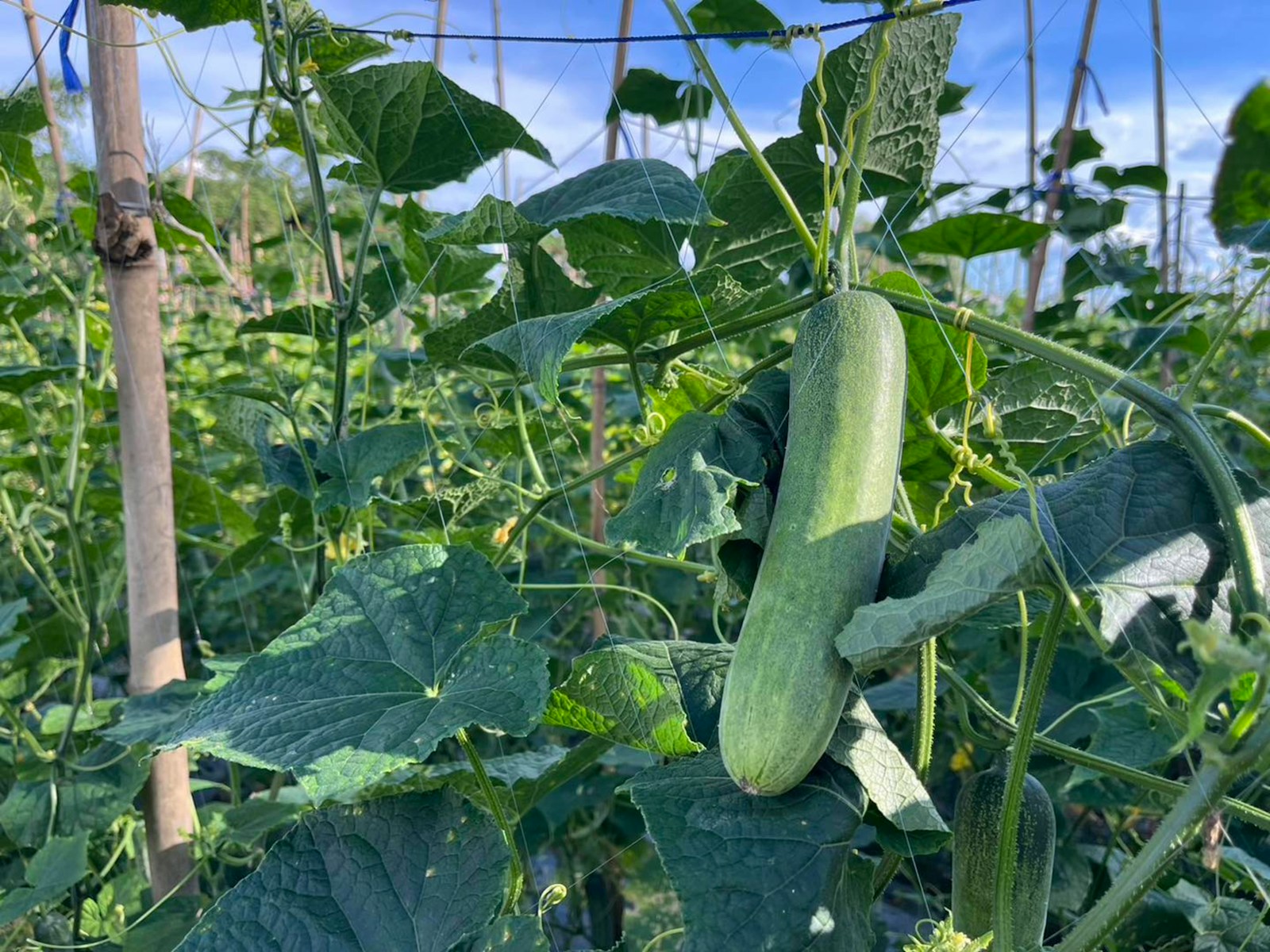
Garden Crop Rotation: Strategies for Sustainable Soil Health
Crop rotation is an essential practice for successful gardening that many new gardeners might overlook. By changing the location of your crops each year, you can improve soil health and help prevent pests and diseases. This method not only keeps your plants healthy but also maximizes your garden’s overall productivity.
When you rotate crops, you ensure that specific nutrients in the soil are not depleted. Different plants require different nutrients, and when you plant the same crops repeatedly, the soil can become tired and less fertile. Utilizing crop rotation can enhance soil quality and promote better growth for your vegetables.
Whether you have a small backyard garden or a larger plot, implementing crop rotation is straightforward. By setting up separate beds or sections, you can easily manage which plants grow where each year. With this simple practice, you’ll set yourself up for a thriving vegetable garden year after year.
Fundamentals of Crop Rotation
Crop rotation is an essential gardening practice that helps improve your soil health and manage pests. By changing what you plant in specific areas each year, you can enhance growth and reduce disease risks.
Benefits of Crop Rotation
Crop rotation offers many benefits for your garden. Here are key advantages:
By rotating crops through different families, you can enhance soil health and reduce the risk of pests.
Soil Fertility and Maintenance
Maintaining soil fertility is crucial for healthy plants. Here are some key practices:
Cover Crops: Consider planting cover crops during the off-season. These crops help prevent erosion and add organic matter to the soil
Soil Testing: Periodically test your soil to understand its nutrient levels. This will help you decide what crops to plant next.
Organic Matter: Adding compost or organic fertilizers improves soil structure and helps retain moisture.
Implementing these practices alongside crop rotation will maximize your garden’s productivity and health.
Implementing Garden Crop Rotation
Implementing crop rotation in your garden requires careful planning and attention to pest control and plant relationships. By following a few key steps, you can create a healthy environment for your vegetables.
Planning Your Rotation Schedule
To start, create a rotation schedule that maps out which crops will go where each year. Use a three- to four-year plan to cycle through different plant families. This helps prevent soil depletion and minimizes pest problems.
Consider these steps:
Group plants by their families, such as:
- Nightshades (tomatoes, peppers)
- Legumes (beans, peas)
- Brassicas (cabbage, broccoli)
Rotate crops so that no family is planted in the same spot in consecutive years.
Take notes on how well crops perform each year to refine your approach.
Managing Pests and Diseases
Crop rotation plays a vital role in managing pests and diseases. Different plant species attract various pests, so rotating crops helps break their lifecycle.
Keep these tips in mind:
- Research the pests that commonly affect your chosen crops.
- Use crops that are less prone to the same diseases in areas where problem plants previously grew.
- Implement cover crops during off-seasons to improve soil health and deter pests.
Consistent rotation can lead to healthier plants and higher yields over time.
Companion Planting Considerations
Companion planting can enhance the benefits of crop rotation. Certain plants work well together, providing natural pest control and improving growth opportunities.
For example:
- Basil can help repel pests from tomatoes.
- Marigolds deter nematodes and other harmful insects.
When planning your rotation, think about which crops will benefit from their neighbors. Consider adding companions to your rotation schedule for added protection and productivity.
Using these strategies will help you effectively implement garden crop rotation, promoting a thriving vegetable garden.