
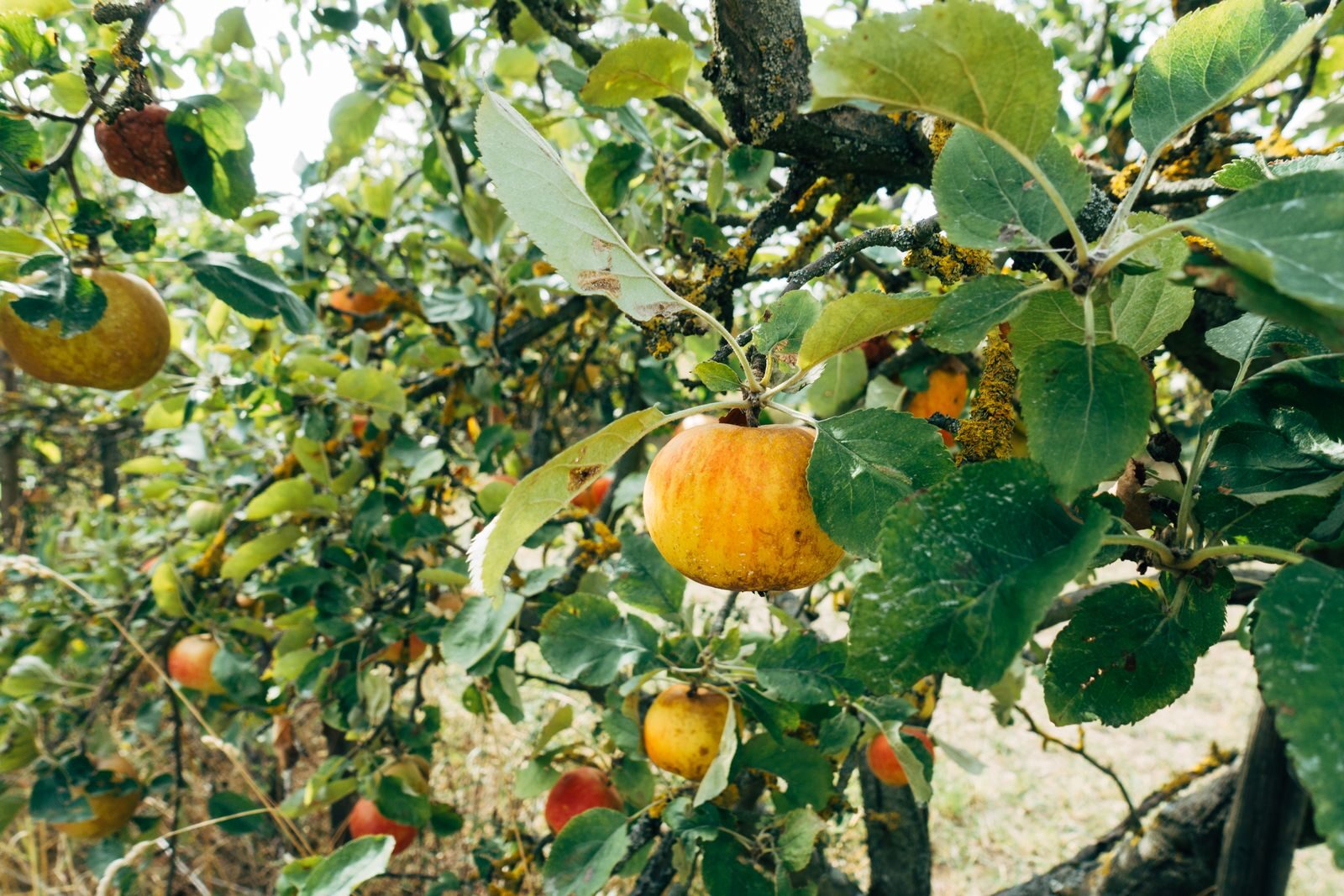
Home Food Forest: Creating a Sustainable Space for Fresh Produce
Creating a home food forest is a rewarding way to grow a variety of edible plants in your own backyard. By designing your garden to mimic nature, you can enjoy fresh fruits, vegetables, and herbs while helping the environment. This method promotes biodiversity and can create a sustainable source of food for your family.
To start, think about the layers of your food forest. You’ll plant tall trees, smaller shrubs, and ground cover plants, each serving a purpose. This not only maximizes your space but also improves soil health and attracts beneficial wildlife.
As you plan your food forest, consider what edible plants thrive in your area. Whether it’s fruit trees or herbs, the choices are vast. Embracing this approach can transform your yard into a lush, productive garden.
Fundamentals of Home Food Forest Design
When designing a home food forest, it’s important to consider permaculture principles, the location of your garden, and soil health. These elements work together to create a thriving environment for your plants.
Understanding Permaculture Principles
Permaculture is a design approach that mimics natural ecosystems. By using these principles, you can make your food forest self-sustaining.
- Diversity: Plant a mix of trees, shrubs, and herbs. This keeps pests at bay and improves resilience.
- Layers: Use vertical spacing to maximize space. Different plants can occupy layers like the canopy, understory, and ground cover.
- Natural Patterns: Observe nature’s patterns, like water flow and sunlight. Design your forest to align with these aspects.
By applying these concepts, your food forest will not only yield food but also enhance the local ecosystem.
Choosing the Right Location
Selecting the best spot for your food forest is critical. Look for areas that receive ample sunlight, water drainage, and protection from wind.
- Sunlight: Most edible plants need 6-8 hours of sunlight daily. Observe how sunlight moves over your area throughout the day.
- Water Drainage: Avoid low spots where water collects. Instead, choose slightly elevated ground to prevent root rot.
- Access: Ensure you can easily reach your food forest for planting, maintenance, and harvesting. Paths can help you navigate.
Evaluating these factors will set a strong foundation for your food forest’s success.
Soil Health and Preparation
Healthy soil is essential for a productive food forest. Start with a soil test to check pH and nutrient levels.
- Amendments: Depending on your test results, you may need to add compost, manure, or organic fertilizers to enhance soil quality.
- Mulching: Use organic materials like shredded leaves or straw. This helps retain moisture and suppress weeds.
- Tillage: Minimize disturbance to the soil. No-till methods can help maintain soil structure and health.
Preparing your soil thoughtfully promotes healthy plant growth and a thriving food forest.
Implementation and Maintenance
Creating a successful home food forest requires careful planning and ongoing care. You’ll need to focus on selecting plants, managing water, encouraging beneficial insects, and using proper pruning techniques.
Plant Selection and Biodiversity
Choosing the right plants is critical for your food forest. Opt for a mix of trees, shrubs, and ground cover plants. Aim for diversity to create a resilient ecosystem.
Consider these categories when selecting plants:
- Fruit Trees: Apples, pears, and cherries are good choices.
- Nut Trees: Almonds and walnuts can provide additional protein.
- Berries: Blueberries, raspberries, and strawberries offer quick yields.
- Perennials: Incorporate herbs and perennial vegetables like asparagus for continuous production.
This variety supports different insects and enhances soil health. Native plants often thrive better in your local environment, attracting pollinators.
Water Management and Irrigation
Proper water management is essential for a thriving food forest. Start by assessing your land’s natural water flow. Incorporating features like swales or rain gardens can help manage excess water and erosion.
Use these methods for irrigation:
- Drip Irrigation: Efficient and minimizes water waste.
- Mulching: Keeps soil moist, controls weeds, and adds nutrients as it breaks down.
- Rainwater Harvesting: Collect water from roofs to use during dry spells.
Evaluate your forest regularly to adjust your watering strategy based on rainfall and plant needs.
Beneficial Insects and Pest Control
Encouraging beneficial insects helps keep harmful pests in check. Plant flowers such as yarrow, dill, and sunflowers to attract ladybugs, bees, and other pollinators.
Use these strategies for pest control:
- Companion Planting: Pair plants that support each other’s growth and deter pests.
- Natural Predators: Introduce or support birds and predatory insects in your garden.
- Organic Treatments: If necessary, use neem oil or insecticidal soap to manage outbreaks.
By fostering a balanced ecosystem, you reduce the need for chemical inputs and promote healthy growth.
Pruning and Harvesting Techniques
Regular pruning maintains plant health and encourages better yields. Start by pruning young trees to shape them and remove any dead or diseased branches.
Consider these tips:
- Timing: Prune in late winter or early spring before new growth begins.
- Technique: Use clean, sharp tools to make precise cuts.
- Harvesting: Regularly check for ripe fruits and vegetables to encourage continuous production.
Proper techniques can prevent disease and aid in the overall productivity of your food forest. Engage with your plants regularly to understand their growth patterns and needs.