
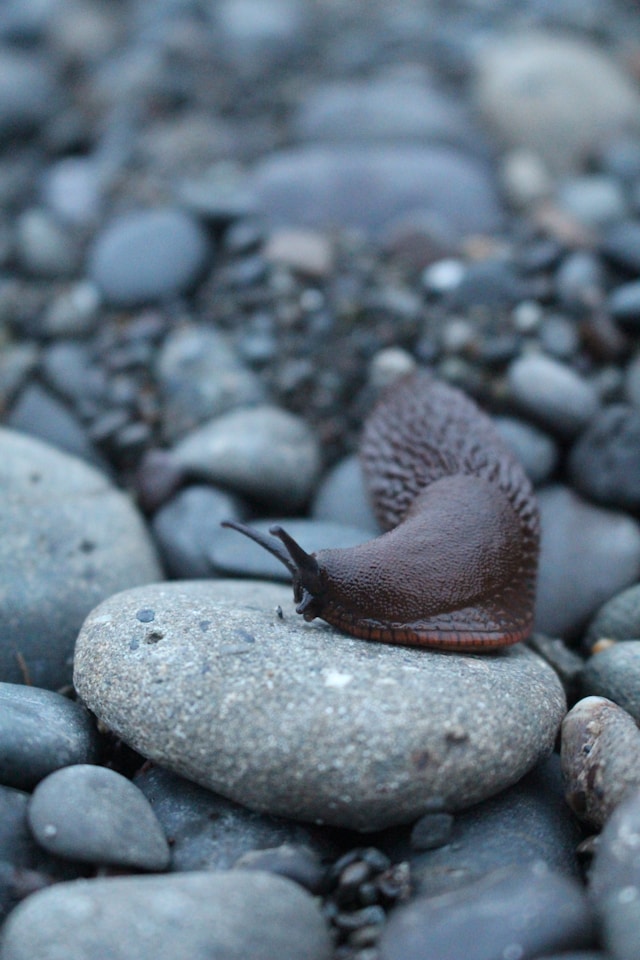
Organic Slug Management: Effective Strategies for a Healthy Garden
Slugs can be a major headache for gardeners, munching on your favorite plants and ruining your hard work. Organic methods to manage slugs are effective, safe for the environment, and can keep your plants thriving. By using natural techniques, you can deter these garden pests without relying on harsh chemicals.
To start, it’s important to understand where slugs like to hide. They prefer dark and moist areas, making mulch, leaves, and even garden containers prime spots for them to take refuge during the day. You can take action by removing hiding places and creating barriers. Simple solutions like placing small boards in your garden can help you catch slugs each morning before they cause damage.
There are plenty of organic options to keep slugs at bay. Sprinkling coffee grounds or using copper tape can repel them effectively. By implementing these strategies, you can protect your plants and enjoy a healthy, slug-free garden.
Understanding Organic Slug Management
Effective management of slugs involves knowing their life cycle and how they impact your garden. This information helps you choose the right strategies to control them without harming other wildlife.
Life Cycle and Biology of Slugs
Slugs go through a life cycle that includes eggs, juveniles, and adults. They usually lay their eggs in moist soil or leaf litter. A single slug can lay up to 500 eggs in a season, leading to rapid population growth.
Key facts about slugs:
- They thrive in damp conditions.
- Their activity peaks at night or during wet weather.
- Slugs can live for about one year.
Understanding their behaviors allows you to determine the best times and methods for control. Monitoring moisture levels in your garden can also reduce slug populations.
Effects of Slugs on Plants and Ecosystems
Slugs can cause significant damage to various plants. They feed on leaves, stems, and fruits, often leaving irregular holes.
Common effects include:
- Wilting: Damaged plants may wilt due to loss of moisture and tissue.
- Disease: Open wounds can invite diseases, harming plant health.
- Reduced Yields: Significant feeding can lower crop yields in gardens.
In ecosystems, slugs play a role in breaking down organic material, but unchecked populations can lead to imbalances. Your goal should be to manage them effectively without completely eliminating them, maintaining a healthy garden environment.
Strategies for Organic Slug Control
Managing slugs in your garden requires a combination of techniques. You can adopt cultural practices, use biological controls, and apply organic baits and deterrents effectively. Each strategy has unique advantages that can help protect your plants.
Cultural Practices for Slug Management
Cultural practices focus on altering your gardening habits to make your space less favorable to slugs. Start by removing debris and weeds that provide hiding spots for these pests. Keep your garden clean and dry, as slugs thrive in moist environments.
Spacing plants can also help. Place susceptible plants further apart to improve air circulation, reducing humidity. Additionally, consider planting slug-resistant varieties such as lavender or rosemary.
Using barriers is another effective method. You can create physical barriers by using copper tape or diatomaceous earth around gardens. These materials can deter slugs and reduce their access to your plants.
Biological Control Options
Biological control options involve using natural enemies to manage slug populations. Nematodes, tiny roundworms, can be introduced to the soil. They enter slugs and kill them, reducing their numbers over time.
You can also encourage predators in your garden. Birds, toads, and beneficial insects like ground beetles will help control slug populations. Provide habitats for these predators by leaving areas of your garden undisturbed.
Another option is to use companion planting. Certain plants can attract natural slug predators or repel slugs themselves. For example, planting garlic and onions may help deter slugs from your more vulnerable crops.
Organic Slug Baits and Detractors
Using organic baits and deterrents can be a very effective way to manage slugs. One common method is to spread coffee grounds around your plants. Slugs dislike the texture and may avoid treated areas.
Another effective bait is beer traps. Bury a container filled with beer in the soil. Slugs are attracted to the smell and will drown in the liquid.
You can also use iron phosphate products like Sluggo. These baits are safe for pets and wildlife while being effective against slugs. Scatter the bait around your plants according to package instructions.
Also, consider employing eggshells or crushed seashells. These sharp materials can deter slugs from crossing into protected areas of your garden.