
Easy Vegetables Beginners Can Grow Successfully
If you’re new to gardening, starting with easy vegetables can make your journey enjoyable and rewarding. Some of the best vegetables for beginners include lettuce, radishes, beans, and cucumbers. These crops not only thrive with minimal care but also provide tasty rewards throughout the growing season.
With the right approach, you can cultivate a vibrant garden full of fresh produce. Vegetables like tomatoes and mini eggplants are known for being user-friendly, while leafy greens and root vegetables can grow well in various conditions. You can enjoy gardening without feeling overwhelmed or intimidated.
Getting started is simple. Focus on choosing vegetables that suit your space and climate. By selecting easy-to-grow crops, you’ll build confidence and gain valuable experience as you watch your plants flourish.
Choosing Easy Vegetables for Beginners
When starting a vegetable garden, it’s key to choose plants that fit your conditions and require less care. You need to consider climate, soil type, and how much effort the plants need to thrive.
Understanding Climate and Seasonality
Your first step in selecting vegetables is understanding your local climate. Some plants love warmth while others prefer cooler weather.
Here are some options based on season:
- Spring: Spinach, radishes, and lettuce grow quickly and easily.
- Summer: Tomatoes, cucumbers, and peppers thrive in the heat.
- Fall: Kale and turnips can withstand cooler temperatures.
Knowing your hardiness zone can help you pick the right plants. Use a zone map to see what grows best in your area. Remember that planting at the correct time maximizes success.
Examining Soil Types and Sunlight Requirements
Next, look at your soil type. Different vegetables thrive in different kinds of soil. Testing your soil can give you important information about its nutrients and pH level.
Vegetables and their preferred conditions:
- Loamy soil: Carrots, radishes, and leafy greens.
- Sandy soil: Beans or cucumbers that enjoy drainage.
- Clay soil: Squash and tomatoes, though they might need amending.
Along with soil, consider sunlight. Most vegetables need 6 to 8 hours of full sun each day. Observe your garden throughout the day to find the best spots.
Selecting Low-Maintenance Varieties
Finally, choose low-maintenance vegetable varieties that don’t require constant attention. Some vegetables are known for their ease of care.
Recommended easy vegetables include:
- Green Beans: Fast-growing and usually pest-resistant.
- Zucchini: Produces a lot with minimal effort.
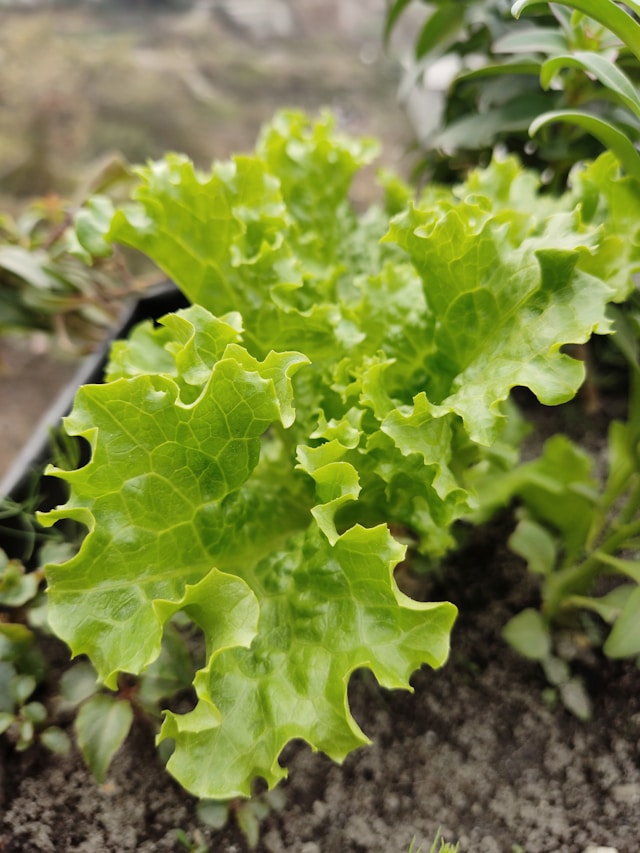
- Lettuce: Grows quickly and enjoys cooler weather.
These varieties typically don’t need staking or complicated pruning. They provide good yields while keeping your gardening experience simple and rewarding. With the right choices, you can enjoy fresh vegetables without a lot of hassle.
Planting and Care Fundamentals
Planting vegetables requires careful planning and care. Knowing the best methods for starting seeds, watering, and handling pests is essential for your success.
Starting Seeds Indoors vs. Outdoors
Starting seeds indoors gives you a head start. You can begin up to 6-8 weeks before the last frost date. Use seed trays or small pots filled with seed-starting mix. Keep them in a warm, well-lit area and water gently.
Outdoor planting is simple but depends on your climate. Wait until the soil is warm, especially for heat-loving plants. Create rows or use raised beds for good drainage. As a beginner, follow the seed packet instructions for planting depth and spacing.
Irrigation Techniques for Optimal Growth
Proper watering is vital for plant health. Aim for about 1 inch of water per week. Use a soaker hose or drip irrigation for deeper moisture without wetting the leaves. This helps prevent diseases.
Water in the morning to reduce evaporation and allow plants to absorb moisture during the day. If using a sprinkler, water early to avoid fungal growth. Check soil moisture regularly; the top inch should feel dry before you water again.
Dealing With Pests and Diseases
Healthy plants are less likely to face pest issues. Keep your garden clean and remove any dead leaves or debris. This practice helps deter pests.
If you spot pests, act quickly. Handpick larger pests like caterpillars. For smaller ones, insecticidal soap can help. Regularly inspect for signs of disease such as yellow leaves or spots.
Consider companion planting to naturally repel pests. For example, planting marigolds with vegetables helps ward off harmful insects.