
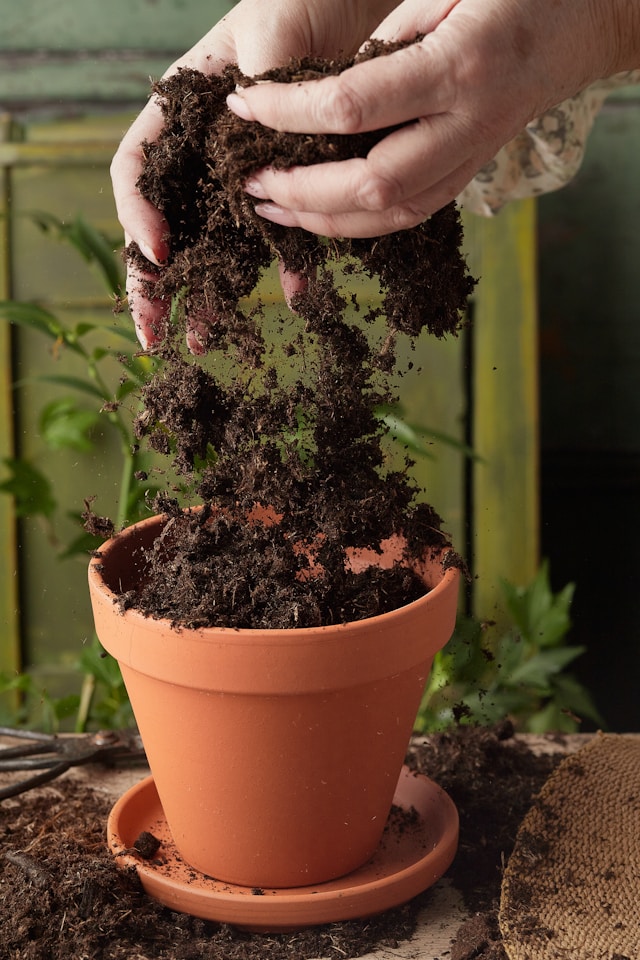
Natural Soil Improvement: Effective Strategies for Sustainable Agriculture
Improving your soil naturally is key to creating a healthy garden or farm. Adding organic matter, like compost or well-rotted manure, significantly enhances soil structure and provides essential nutrients. This process not only helps your plants grow better but also supports a thriving ecosystem in the ground.
Using techniques like crop rotation and cover cropping can increase the diversity of your soil. This approach mimics natural processes and helps maintain soil health over time. By enriching your soil naturally, you can create a more resilient and productive growing environment.
Maintaining your soil with methods that respect nature is sustainable and cost-effective. Simple steps, such as mulching and reducing soil disturbance, make a big difference. Learning how to improve your soil naturally can lead to rewarding results in your gardening efforts.
Understanding Soil Health
Soil health is essential for effective plant growth and productive farming. It involves several key factors that influence how well soil can support life. Focus on organic matter, soil structure, and microbial activity to improve soil quality.
The Role of Organic Matter
Organic matter is crucial for healthy soil. It consists of decomposed plants, animals, and microbes. Adding organic matter helps retain moisture and improves nutrient content.
- Benefits of Organic Matter:
- Increases soil fertility
- Enhances water retention
- Supports microbial ecosystems
By including compost, mulch, or cover crops in your soil management plan, you can boost organic matter levels. This not only benefits plant growth but also improves soil structure over time.
Soil Structure and Texture
Soil structure refers to how soil particles are arranged. Good structure allows air, water, and roots to move easily through the soil. Texture, or the size of soil particles, affects drainage and nutrient availability.
- Key Components of Soil Structure:
- Aggregates: Clumps of soil that promote aeration
- Pore Space: Openings that hold air and water
Healthy soil should have a mix of sand, silt, and clay. This balance creates a texture that supports plant health. You can improve soil structure by adding organic materials and reducing tillage practices.
Microbial Activity and Biodiversity
Microbes, including bacteria and fungi, play a vital role in soil health. They help decompose organic matter and make nutrients available to plants. A diverse range of microbes also fosters resilience against diseases.
- Importance of Microbial Activity:
- Enhances nutrient cycling
- Improves soil structure
- Supports plant growth
You can boost microbial activity by maintaining a diverse cropping system and minimizing chemical fertilizers. This supports a thriving ecosystem that benefits both soil and plants.
Techniques for Soil Improvement
Improving soil health involves various techniques that can benefit both the soil structure and its nutrient content. The following methods focus on practical strategies for enhancing soil without relying on synthetic inputs.
Composting Methods
Composting is one of the easiest and most effective techniques for improving soil. You can turn kitchen scraps, lawn clippings, and garden waste into rich organic matter. When you add compost to your soil, it helps increase nutrient content and enhances microbial activity.
Here are some tips for successful composting:
- Gather Materials: Combine green materials (like grass clippings) with brown materials (like dried leaves).
- Maintain the Right Ratio: Aim for a balance of about 2:1 of brown to green materials.
- Turn Your Pile: Aerate the compost by turning it every few weeks to promote decomposition.
Adding compost at the start of the growing season can greatly affect plant health and soil fertility.
Cover Crops and Green Manures
Cover crops are plants grown not for harvest but to improve soil health. They help prevent erosion, suppress weeds, and enhance nutrient content. Common cover crops include clover, rye, and vetch.
You can use these crops in several ways:
- Plant in Off-Season: Sow cover crops during fallow periods to keep the soil covered.
- Incorporate into Soil: Mow and till in cover crops before planting your main crops. This adds organic matter and improves nitrogen levels.
These practices help maintain soil health and boost productivity for your primary crops.
Crop Rotation Strategies
Rotating crops each season is an effective way to enhance soil quality. By switching plant families, you can naturally manage pests and diseases, while also balancing nutrient demand.
Consider the following rotations:
- Plant Legumes: Follow heavy feeders like corn with legumes, which add nitrogen back into the soil.
- Diversity: Mix different crops each year to prevent soil degradation and nutrient loss.
Implementing crop rotation keeps soil healthier and can lead to better yields each season.
Conservation Tillage Practices
Conservation tillage reduces soil disturbance, helping to maintain its structure and health. This practice involves minimal plowing or no-till methods, which help preserve soil moisture and organic matter.
Key points for conservation tillage include:
- No-Till: Directly plant seeds into undisturbed soil.
- Mulching: Use plant debris as mulch to cover the soil and reduce erosion.
- Organic Matter: Maintain organic material on the surface to support beneficial organisms.
These methods can enhance soil and crop health while conserving resources and reducing erosion.