
Indoor Vegetable Growing: Essential Tips for Successful Cultivation at Home
Growing vegetables indoors can be a rewarding and practical way to enjoy fresh produce year-round. You can successfully grow a variety of vegetables in your home, from leafy greens to small fruiting plants. This method allows you to have control over your gardening environment, making it easier to grow healthy plants even without a backyard.
To start your indoor garden, you need to create the right conditions for your plants. Choose a space with good lighting, whether natural or artificial, to ensure your vegetables get enough energy to thrive. Additionally, ensure that the area is not too cold or drafty, as that can hinder growth.
With some basic supplies and tips, indoor gardening can be simple and fun. From setting up a watering system to selecting the right plants, you can turn even the smallest space into a productive garden. This not only gives you fresh vegetables but also brings a touch of nature into your home.
Essentials of Indoor Vegetable Growing
To successfully grow vegetables indoors, you need to focus on selecting the right plants, understanding their light needs, and choosing the right soil. Each of these elements plays a crucial role in helping your indoor garden thrive.
Selecting Suitable Vegetables
When choosing vegetables for indoor gardening, consider varieties that adapt well to limited space and light. Some excellent options include:
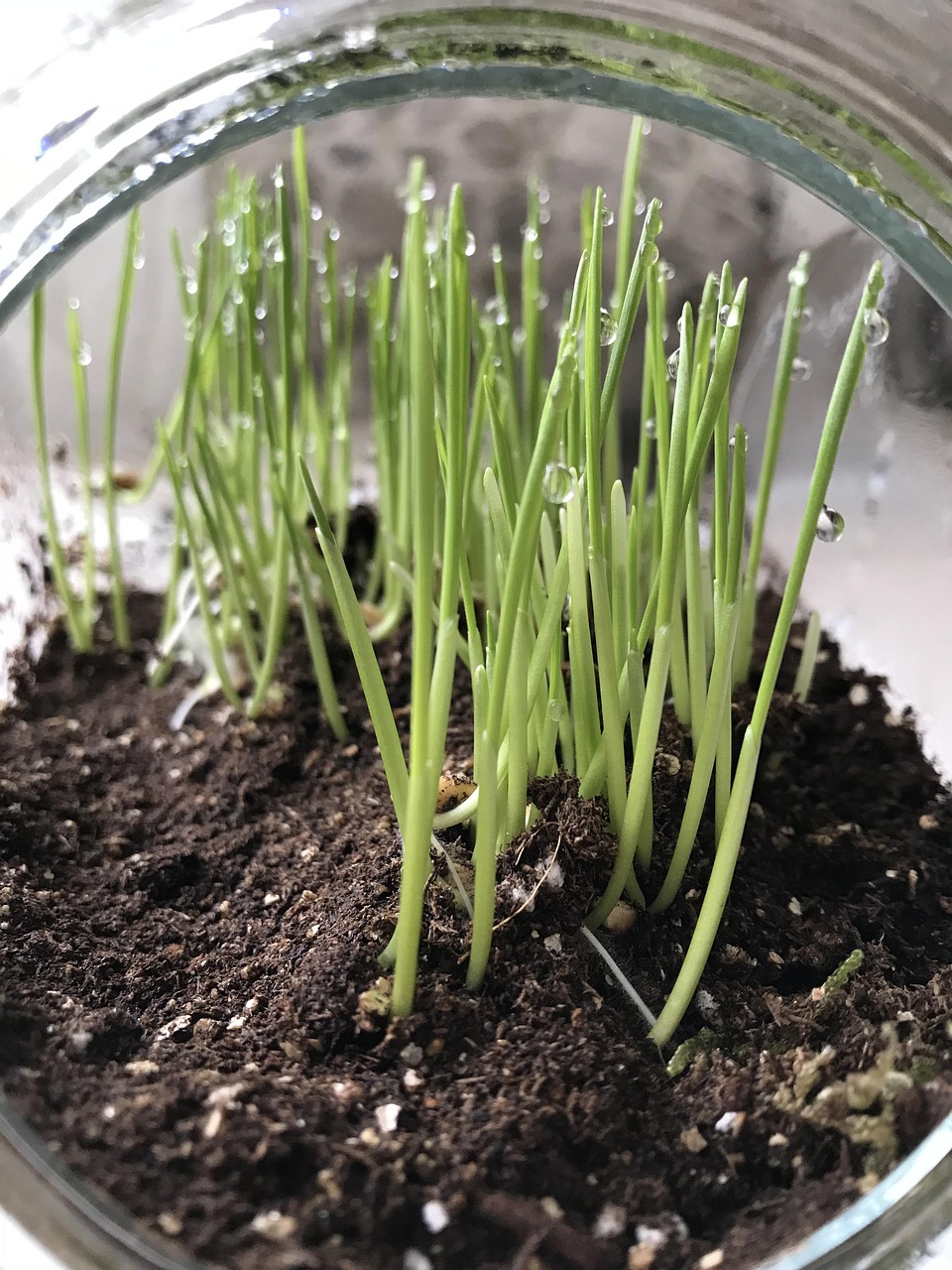
- Microgreens: These are fast-growing and packed with nutrients. You can easily harvest them within a week.
- Leafy Greens: Spinach and lettuce grow well indoors, requiring less sunlight.
- Herbs: Basil, cilantro, and parsley can thrive in containers on your windowsill.
- Sprouts: Seeds and grains such as mung beans, alfalfa and peas.
You might also try smaller fruiting plants like cherry tomatoes or peppers. They need more light but can be rewarding.
Understanding Light Requirements
Light is a key factor in indoor gardening. Most vegetables require 12 to 16 hours of light per day. Here are some essential points:
- Natural Light: Place your plants near south-facing windows for the best sunlight.
- Artificial Light: If natural light is insufficient, use grow lights such as fluorescent or LED bulbs. These can mimic sunlight effectively.
- Light Placement: Position lights about 6 to 12 inches above the plants to prevent stretching and ensure healthy growth.
Regularly check your plants for signs of too much or too little light. Adjust distances and durations as necessary.
Soil Composition and Nutrition
Choosing the right soil and nutrients is vital for your indoor vegetables. Use a light, well-draining potting mix, which often includes:
- Peat Moss: Provides moisture retention.
- Perlite: Aids drainage and aeration.
- Compost: Offers essential nutrients.
For nutrient supply, consider adding a balanced fertilizer every few weeks. Look for one that contains nitrogen, phosphorus, and potassium. This will support vigorous plant growth and productivity.
Regularly check your soil’s moisture level. The top inch should dry out before you water again, promoting healthy root development.
Setting Up the Growing Space
Creating the right environment for your indoor vegetable garden is essential for healthy plant growth. You need to think about where to put your garden, how to manage temperature and humidity, and what containers to use.
Choosing the Right Location
Select a spot in your home that receives adequate natural light. A south-facing window is ideal, as it typically gets the most sunlight. If natural light is limited, consider using grow lights specifically designed for plants.
Make sure your chosen location has good air circulation. This helps prevent mold and promotes healthy growth. Avoid areas with drafts or extreme temperature changes, like near doors or air conditioning vents.
Temperature and Humidity Control
Most indoor vegetables thrive at temperatures between 65°F and 75°F. Keep a thermometer handy to monitor the temperature closely. If temperatures drop too low, consider using a space heater during cold months.
Humidity levels should be kept around 40% to 60%. You can increase humidity by using a humidifier or placing a tray of water near your plants. Regularly misting the leaves of your plants can also help maintain moisture.
Watch for signs of stress. If your plants have yellowing leaves or are wilting, they may not be in the correct temperature range.
Growing Platforms and Containers
For indoor gardening, choose containers that have drainage holes to prevent waterlogging. Consider using pots made from materials like clay, plastic, or biodegradable options.
Elevate your plants using shelves or plant stands to capture more light. This is especially useful for taller varieties. Arrange your plants based on their light needs, placing the highest light-demanding plants closest to the light source.
Utilize self-watering containers to make the process easier. They help regulate moisture levels and reduce the frequency of watering. This can be very beneficial for beginners or those with busy schedules.