
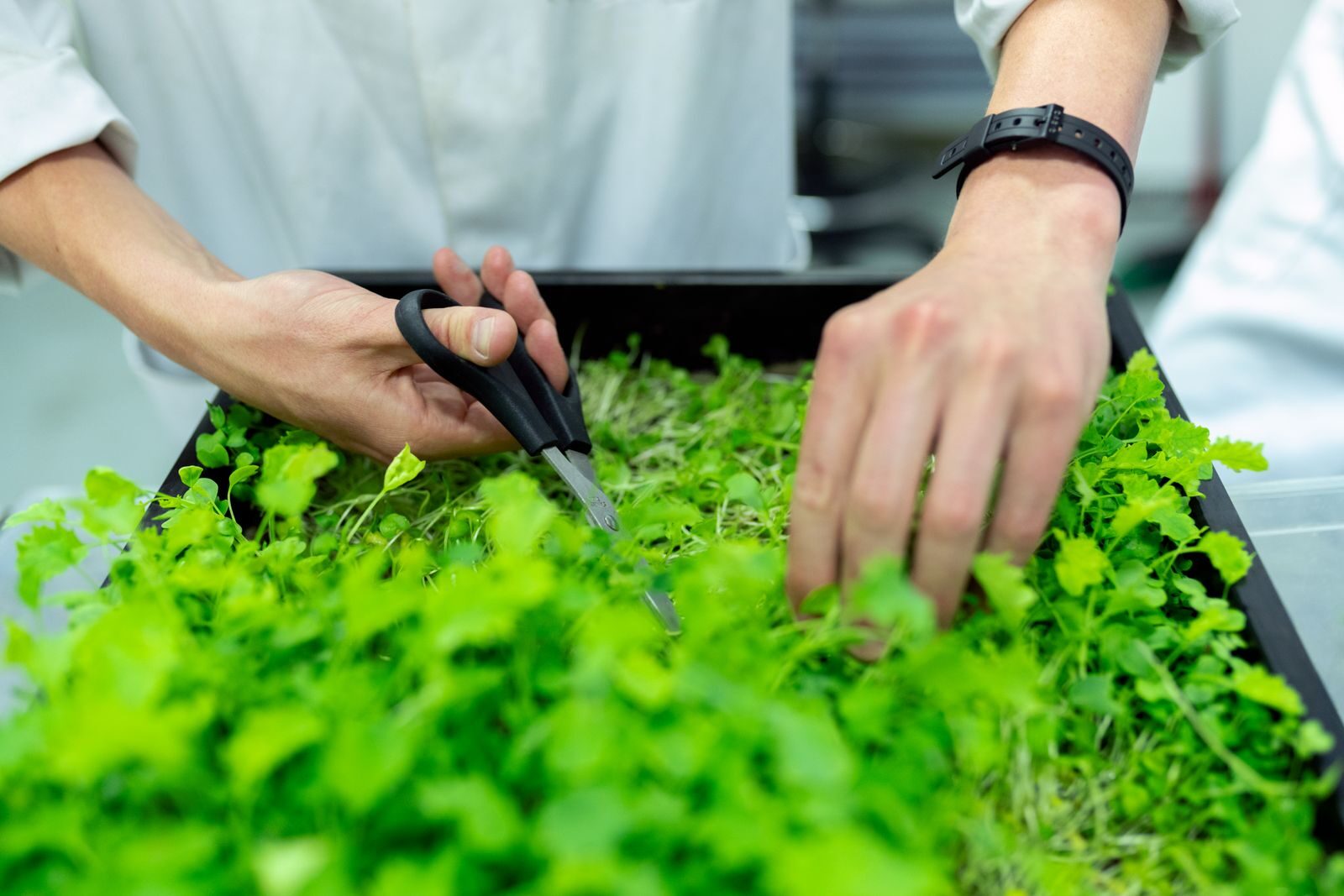
Indoor Microgreen Production: A Guide to Growing Nutrient-Rich Greens Year-Round
Growing microgreens indoors is an easy and rewarding way to bring fresh flavors to your meals. With just a few basic supplies, you can cultivate nutritious greens right in your kitchen. Indoor microgreen production allows you to enjoy fresh, homegrown food year-round, regardless of the weather outside.
You don’t need a lot of space or specialized equipment to get started. Simple containers, seeds, and soil or hydroponic mats are often all you need. This makes indoor growing accessible to anyone, whether you’re a beginner or an experienced gardener.
Microgreens are packed with vitamins and minerals, making them a great addition to salads, sandwiches, and smoothies. They grow quickly, usually within a couple of weeks, giving you a quick turn-around on your efforts. Embracing indoor microgreen production can enhance your cooking and contribute to a healthier diet.
Understanding Microgreens
Microgreens are young plants that are harvested shortly after sprouting. They are packed with flavor and nutrients, making them a popular choice for indoor gardeners. Knowing their characteristics and benefits can help you appreciate their value.
Definition and Characteristics
Microgreens are typically harvested at a stage when the first true leaves, or cotyledons, have opened. They come from a variety of families, including cruciferous vegetables, herbs, and legumes. Common types include:
- Basil
- Radish
- Sunflower
- Pea shoots
These greens are usually grown in small trays or containers, allowing for easy indoor production. Microgreens can thrive in limited space and don’t require special equipment. Many people grow them on windowsills or kitchen counters, making them ideal for urban settings.
Nutritional Value and Benefits
Microgreens are known for their rich nutritional content. They often contain higher levels of vitamins, minerals, and antioxidants compared to mature plants. Studies show they may have:
- Vitamins: High levels of vitamin C, E, and K.
- Minerals: Calcium, magnesium, and iron.
- Antioxidants: Compounds that may help combat free radicals.
Adding microgreens to your diet can enhance flavors in salads, sandwiches, and smoothies. They provide unique tastes and textures, improving overall meal appeal. With their short growth cycle, you can enjoy fresh greens in just a few weeks.
Cultivation Techniques
Successful indoor microgreen production relies on specific cultivation techniques. You will need to focus on selecting the right seeds, choosing suitable soil and substrate, managing lighting and temperature, and maintaining proper watering and humidity levels.
Choosing the Right Seeds
Selecting the right seeds is crucial for successful microgreening. You should consider these popular varieties:
- Sunflower: Quick growth and a nutty flavor.
- Pea Shoots: Sweet taste and tender texture.
- Radish: Spicy and vibrant, adds color to dishes.
Make sure the seeds are labeled as suitable for microgreens. This means they have been tested for high germination rates and are safe for consumption. Purchase seeds from reliable sources to ensure quality.
Soil and Substrate Options
For growing microgreens, the choice of soil or substrate affects growth. You can choose between:
- Seedling Mix: Lightweight and fertile, ideal for germination.
- Coconut Coir: Organic and sustainable, retains moisture well.
- Hydroponic Mats: Great for soilless growing, supports good drainage.
Fill your chosen container with 1-2 inches of the substrate. This depth allows roots to establish while keeping moisture levels balanced. Choosing the right mix is important for optimal growth.
Lighting and Temperature Control
Light is essential for the healthy growth of microgreens. Aim for around 12-16 hours of light daily. You have two options for lighting:
- LED Grow Lights: Energy-efficient and effective for indoor use.
- Fluorescent Lights: Good for broader coverage and budget-friendly.
Keep the growing temperature between 70°F to 75°F (21°C to 24°C). If your environment is cooler, use a heat mat to maintain warmth. Proper lighting and temperature enhance photosynthesis and promote healthy growth.
Watering and Humidity Management
Monitoring moisture levels is vital. Microgreens need to remain consistently damp but not soggy. Follow these guidelines:
- Watering: Use a spray bottle for gentle watering, avoiding over-saturation.
- Humidity: Keep humidity levels between 40% to 60% for best results.
You can cover your trays with a humidity dome until germination occurs. Afterward, reduce humidity to prevent mold. Check daily to ensure your growing environment is optimal for rapid and healthy growth.