
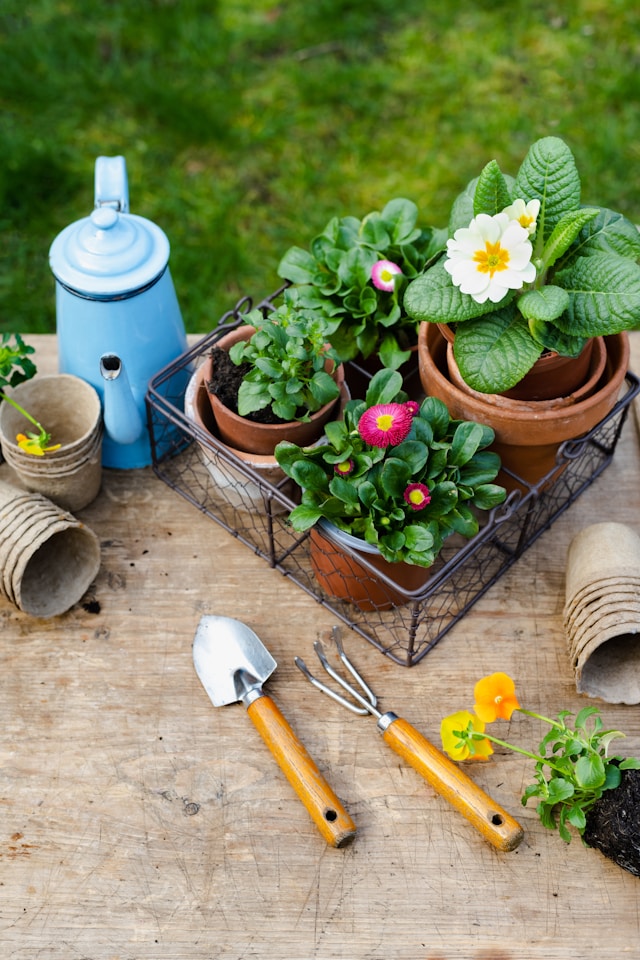
Gardening Tool Basics: Essential Equipment for Every Gardener
Gardening can be a rewarding and fun hobby, but having the right tools is key to success. Whether you are just starting or have some experience, knowing which tools are essential can make your gardening efforts easier and more enjoyable. A basic set of gardening tools includes gloves, pruning shears, a hand trowel, a spade, and a rake.
With the right tools, you can plant seeds, maintain your garden, and enjoy the process. Each tool serves a specific purpose, helping you dig, trim, and nurture your plants. Understanding these tools will boost your confidence and skills in the garden.
In this article, you will discover the must-have tools for beginners and how to use them effectively. From digging to pruning, you’ll learn how to create a thriving garden with just a few simple items.
Gardening Tool Fundamentals
Understanding the right tools is essential for effective gardening. This section covers the basic tools you need, how to choose quality options, and key features to look for.
Understanding the Basics
Before starting your gardening journey, it’s important to know that different tasks require specific tools. Basic tools help you plant, maintain, and harvest plants effectively. These tools vary by purpose and can greatly impact your gardening experience.
Well-chosen tools not only save time but also reduce physical strain. Familiarizing yourself with the functions of each tool is the first step toward becoming a proficient gardener.
Essential Gardening Tools
Here is a list of essential tools that every gardener should have:
- Hand Pruners: Useful for trimming small branches and shaping plants.
- Trowel: A small shovel for digging, planting, and transferring soil.
- Garden Fork: Breaks up compact soil and incorporates organic matter.
- Shovel: Ideal for moving soil, compost, or mulch.
- Rake: Helps in leveling soil and removing debris.
These tools will cover most gardening tasks. As you gain experience, you may find other specialized tools as necessary.
Selecting Quality Tools
When shopping for gardening tools, consider the quality and durability. Look for tools made from strong materials like stainless steel. Comfort can also be key, so choose tools with ergonomic handles that fit well in your hand.
Some features to check include:
- Weight: Lighter tools reduce fatigue during long hours.
- Grip: Non-slip handles are safer and more comfortable to use.
- Warranty: A good warranty can indicate a manufacturer’s confidence in the product.
Choosing quality tools will enhance your gardening experience and give you better results.
Maintenance and Storage
Taking care of your gardening tools is crucial for their longevity and performance. Regular cleaning, proper storage, and sharpening techniques will ensure they work effectively whenever you need them.
Cleaning and Care
Start by cleaning your tools after each use. Remove any dirt or debris with a wire brush or a putty knife. For stubborn soil, rinse with a garden hose to loosen it up.
- Wipe down metal surfaces to prevent rust. A cloth with oil can help protect against moisture.
- For wooden handles, use a damp cloth to clean and allow them to dry completely.
- Inspect for damage regularly. Look for any cracks or loose parts that could affect performance.
Maintaining a routine cleaning schedule can extend the life of your tools significantly.
Proper Storage Solutions
Where you store your tools matters. A clean, dry place is ideal to prevent damage and rust.
- Store them on shelves, in racks, or simply lean them against a wall.
- Avoid areas with high humidity or direct sunlight, as both can cause deterioration.
- Hang tools whenever possible. This keeps them off the ground and makes them easier to access.
Consider using pegboards or toolboxes for better organization.
Tool Sharpening Techniques
Sharp tools make your gardening tasks easier and more efficient. Regular sharpening can improve performance and reduce wear.
- Use a sharpening stone or file suited for the type of tool. Follow the manufacturer’s guidelines.
- For pruning shears, maintain a 20-degree angle for best results.
- Test the sharpness by cutting a piece of paper; if it slices easily, it’s ready to use.
Aim to sharpen your tools at least once a season, or more often if used frequently.