
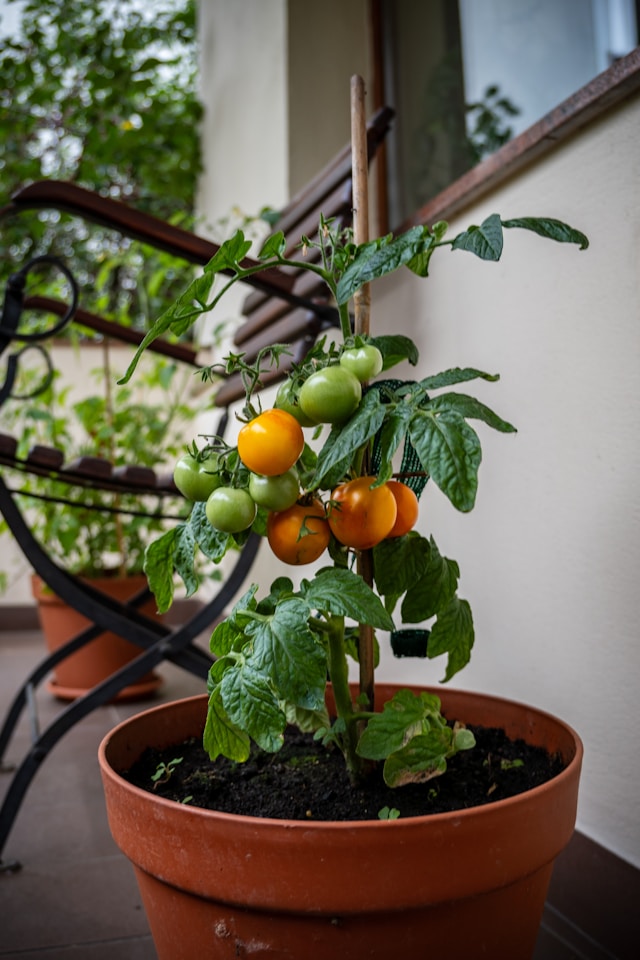
Balcony Vegetables: A Guide to Growing Fresh Produce in Small Spaces
Growing vegetables on your balcony is a rewarding way to enjoy fresh produce. You can grow a variety of vegetables like spinach, lettuce, peppers, and even root crops such as carrots. With the right containers and care, your small space can yield a surprising amount of food.
Container gardening allows you to make the most of limited space. You can choose plants that thrive in pots, like radishes and cucumbers, making it easy to start your balcony garden. Imagine stepping outside to pick fresh greens for your salad or herbs for your cooking.
Whether you’re a seasoned gardener or a beginner, balcony gardening is accessible and fun. You’ll be amazed at how much you can grow with a little effort and the right plants. Start transforming your balcony into a green oasis today!
Selecting Suitable Vegetables for Balcony Gardening
When choosing vegetables for balcony gardening, it’s important to consider factors like sunlight exposure and the types of varieties that thrive in small spaces. Some plants require plenty of light, while others can grow well in partial shade. Additionally, selecting compact or dwarf varieties will help maximize your gardening efforts in limited areas.
Understanding Sunlight and Shade Tolerances
Sunlight is crucial for plant growth. Most vegetables need at least 6-8 hours of sunlight each day. If your balcony gets full sun, consider growing:
- Tomatoes
- Peppers
- Cucumbers
If your balcony has partial shade, you can opt for plants that tolerate lower light like:
- Lettuce
- Kale
- Swiss Chard
Observe how sunlight moves across your balcony throughout the day. This will help you identify the best spots for each type of vegetable.
Choosing the Best Varieties for Small Spaces
In small spaces, selecting the right vegetable varieties is essential. Choose compact or dwarf varieties as they grow well in pots. Here are some great options:
- Dwarf Tomatoes: These are bred to grow in containers and need little space.
- Leaf Lettuce: Quick to grow and can produce multiple cuts.
- Radishes: Fast-growing and take up minimal space.
Additionally, herbs such as basil and parsley are excellent choices. They are small, easy to grow, and enhance your meals. Consider using vertical gardening solutions to maximize your space. Hanging pots or wall-mounted planters can also help utilize vertical areas effectively.
Caring for Balcony Vegetables
Caring for your balcony vegetables involves proper irrigation, quality soil, and effective pest management. Each of these factors is essential for healthy plant growth and a bountiful harvest.
Irrigation and Water Management
Watering your balcony vegetables is crucial. Plants in containers tend to dry out faster than those in the ground. You should water them regularly, especially during hot weather.
- Check Soil Moisture: Use your finger to test the soil. If the top inch feels dry, it’s time to water.
- Watering Technique: Instead of a strong spray, use a watering can to provide gentle, even moisture. This prevents soil erosion and keeps plants stable.
- Drainage: Ensure pots have drainage holes. Standing water can lead to root rot.
Consider using self-watering pots. These can help maintain moisture levels and reduce the frequency of watering.
Soil Preparation and Fertilization
Quality soil is essential for plant growth. Use a light, well-draining potting mix designed for container gardening.
- Soil Ingredients: Look for mixes containing peat, perlite, and compost. This combination ensures good aeration and nutrients.
- Fertilizing: Apply a balanced fertilizer every 4-6 weeks. Liquid fertilizers are easy to use and quickly absorbed by plants.
- Organic Options: If you prefer organic methods, consider fish emulsion or compost tea for fertilization.
Always follow the package recommendations for fertilizer amounts. Over-fertilizing can harm your plants.
Pest Control and Disease Prevention
Keeping your balcony garden free from pests is vital to your plants’ health. Regular checks can help identify problems early.
- Common Pests: Watch for aphids, spider mites, and caterpillars.
- Organic Solutions: Use insecticidal soap or neem oil to manage pests naturally. These options are effective and safe for edible plants.
- Disease Prevention: Ensure good air circulation around your plants. Avoid overcrowding to reduce the risk of fungal infections.
If you notice any signs of disease, such as yellowing leaves, remove affected plants immediately to prevent spreading.