
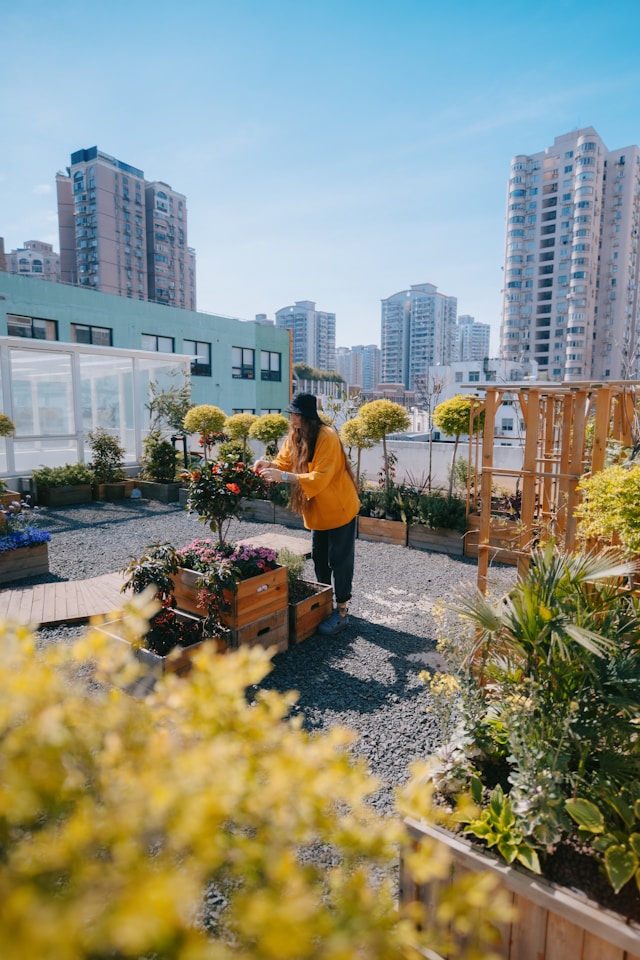
Urban Rooftop Gardening: Maximizing Green Space in City Living
Urban rooftop gardening is becoming an exciting way for city dwellers to connect with nature. Growing plants on rooftops offers fresh food and helps improve the environment around you. This type of gardening can enhance air quality, provide warmth, and even support local wildlife.
With limited space in cities, rooftops serve as perfect spots for gardens. You can transform unused areas into green spaces, creating beautiful and functional gardens right above your home. These gardens not only look great but also contribute to sustainability in urban areas.
As you explore urban rooftop gardening, you’ll find various plants suited for small spaces, including vegetables, herbs, and flowers. Not only will you enjoy homegrown produce, but you’ll also take part in a movement that promotes better living conditions in cities.
Fundamentals of Urban Rooftop Gardening
Urban rooftop gardening can provide a unique space for growing plants in cities. It offers many benefits, but also presents certain challenges. You need to consider the right plants and the conditions of your rooftop to create a successful garden.
Benefits and Challenges
Rooftop gardens can greatly enhance urban living. Some benefits include:
- Improved air quality: Plants filter pollutants.
- Biodiversity: Gardens attract pollinators like bees and butterflies.
- Aesthetic appeal: Green spaces beautify concrete areas.
However, challenges exist. Limited space can affect plant choice. Soil may need careful management for adequate drainage and nutrients. Rooftop gardens are exposed to strong winds and intense sunlight, which can stress plants. You must be prepared for these factors to ensure healthy growth.
Selecting Suitable Plants
Choosing the right plants is crucial for rooftop gardening. Consider these factors:
- Size: Select compact plants that fit your space. Herbs, lettuce, and dwarf varieties of vegetables are good options.
- Growth conditions: Analyze your rooftop’s sunlight and wind exposure. Sun-loving plants like tomatoes thrive in full sun, while leafy greens prefer partial shade.
- Maintenance: Choose low-maintenance plants if you’re busy. Succulents and certain herbs require less attention.
Plan your garden layout. Group plants with similar light and water needs to create a healthy environment.
Understanding Climate and Exposure
Your rooftop’s climate can impact plant health. Factors to consider include:
- Temperature: Rooftops tend to be warmer than ground level. Monitor temperature changes and adjust watering schedules accordingly.
- Sun exposure: Hours of sunlight vary based on your location. Most edible plants require at least 6 hours of sunlight daily.
- Wind protection: High winds can damage fragile plants. Consider using barriers like trellises or windbreaks to shield them.
Understanding these variables helps you cultivate a thriving rooftop garden tailored to your environment.
Setting Up Your Rooftop Garden
Creating a rooftop garden requires careful planning. You should consider design, soil, water management, and safety. These elements are crucial for your garden’s success.
Design and Layout Considerations
Start with a clear design. Think about how much sunlight your plants will receive. Most vegetables and flowers need at least six hours of sunlight each day.
Plan your layout based on the space you have. You can use containers, raised beds, or a vertical garden style. Containers allow flexibility in plant placement and are easier to move.
Design Tips:
- Use lightweight containers to reduce structural stress.
- Arrange taller plants on the north side to prevent shading shorter ones.
- Consider wind exposure and create windbreaks using fencing or taller plants.
Soil Composition and Depth Requirements
Choosing the right soil mix is vital for plant health. Conventional garden soil is too heavy for rooftops. Use a lightweight potting mix designed for containers.
The ideal mix should contain components like:
- Coconut coir: Retains moisture.
- Perlite: Improves drainage.
- Organic compost: Adds nutrients.
Soil Depth:
- For herbs and shallow-rooted plants, aim for 6-12 inches of soil.
- For vegetables, a depth of 12-18 inches is often sufficient.
Always check if your building’s roof structure can support the proposed weight of the soil and plants.
Irrigation and Drainage Solutions
Proper irrigation is essential. Rooftop gardens can dry out quickly due to wind and heat. Decide between a manual or automatic irrigation system.
Irrigation Options:
- Drip irrigation: Efficient and reduces water waste.
- Soaker hoses: Lay them over the soil to provide consistent moisture.
Drainage is equally important. Your rooftop needs to handle excess water to prevent damage.
Drainage Solutions:
- Install drainage holes in containers.
- Use gravel or rocks at the bottom of planters to enhance drainage.
Structural Integrity and Safety
Safety is a top priority. Check your building codes before starting your garden. You want to ensure that your roof can support the added weight of the garden.
Work with a structural engineer if necessary. They can evaluate your roof’s load capacity.
Safety Measures:
- Use secure railings around the garden area.
- Avoid placing heavy items on the edges of rooftop gardens.
Always monitor the structure for signs of stress or wear. Regular checks will help maintain safety and garden health.