
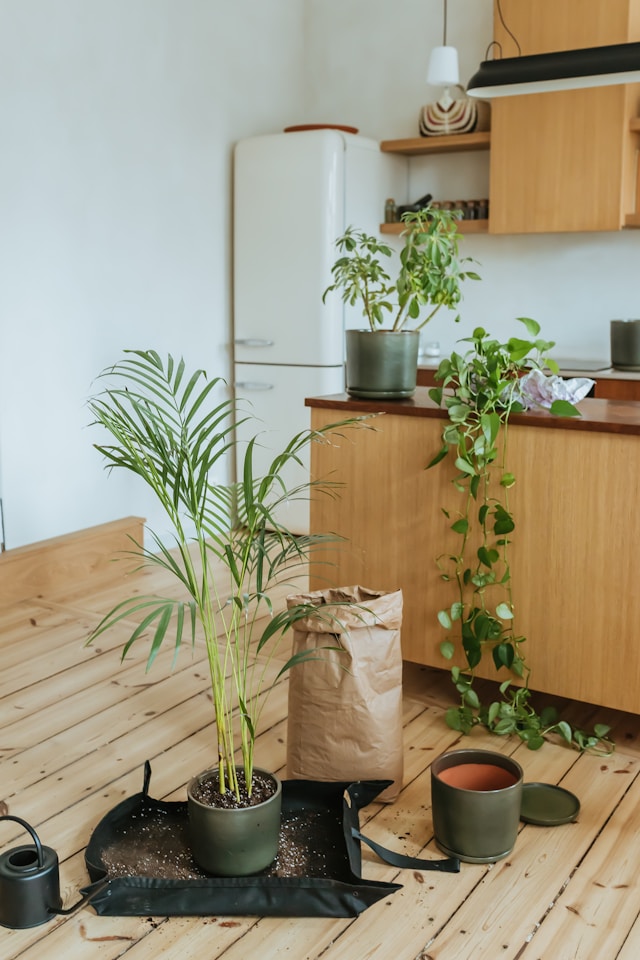
Basic Indoor Gardening: Essential Tips for Thriving Houseplants
Indoor gardening can be a rewarding and enjoyable hobby, even if you live in a small space. Starting with the right equipment, such as a seed starting kit, can make all the difference in getting your plants off to a good start. You can easily grow vegetables and herbs indoors, making your cooking fresh and healthy.
You don’t need a large backyard or garden to grow your own plants. With a little creativity, you can set up a small indoor garden using containers or shelves. Using proper potting soil and ensuring good drainage will help your plants thrive.
Learning about the needs of different plants will also help you succeed. Whether you’re growing leafy greens or herbs, understanding light and water requirements is key. Indoor gardening is not only fun but also adds greenery to your living space.
Fundamentals of Indoor Gardening
Indoor gardening can be rewarding and enjoyable. To set your plants up for success, pay attention to their light needs, choose the right soil, and pick suitable containers.
Understanding Light Requirements
Light is crucial for the growth of indoor plants. Different plants have various light needs. You should identify whether your plants prefer low, medium, or bright light.
- Low Light: Look for plants like snake plants and pothos.
- Medium Light: Consider spider plants and peace lilies.
- Bright Light: Succulents and cacti thrive in these conditions.
Place your plants near windows or use grow lights to provide adequate illumination. For optimal growth, ensure plants receive between 12-16 hours of light each day if using artificial lights.
Selecting Appropriate Soil Mixtures
Soil is not just dirt; it gives your plants nutrients and supports their roots. Choosing the right soil mix is vital.
- Potting Soil: Works well for most indoor plants.
- Cactus Mix: Suitable for succulents and cacti for better drainage.
- Seed-starting Mix: If you’re growing plants from seeds, this mix is light and easy for new roots.
Check for good drainage and moisture retention. A mix that is too compact can suffocate roots and lead to rot.
Choosing the Right Containers
The container you choose affects plant growth, so select wisely.
- Drainage Holes: Always choose pots with holes at the bottom. This prevents water from sitting and helps avoid root rot.
- Size Matters: Make sure the pot is appropriate for the plant’s size. A pot that’s too small will restrict growth, while one that’s too large may retain excess moisture.
- Material: Terra cotta pots allow for air circulation. Plastic pots retain moisture longer.
Selecting the right container sets the foundation for healthy plants. Remember to repot as your plants grow to ensure they have enough space and nutrients.
Plant Care and Maintenance
Taking care of indoor plants requires attention to watering, fertilizing, and pruning. Each of these tasks helps ensure that your plants thrive in a home environment.
Watering Techniques and Schedules
Watering is crucial for plant health. Most indoor plants prefer a consistent watering schedule, usually every 1 to 2 weeks. However, this can vary based on the plant type and environment.
To avoid overwatering, check the top inch of soil. If it feels dry, it’s time to water. Use pots with drainage holes to allow excess water to escape. This prevents root rot, a common issue with houseplants.
A general rule is to water until you see it draining from the bottom. Make sure to empty the saucer to prevent standing water.
Fertilizing Indoor Plants
Fertilizing provides essential nutrients that plants need to grow. Use a balanced fertilizer every 4 to 6 weeks during the growing season, usually spring and summer.
Consider using a water-soluble fertilizer to mix with your watering routine. Be sure to follow the product instructions carefully to avoid over-fertilizing, which can harm your plants.
Signs that your plant may need fertilizer include stunted growth or yellowing leaves. These symptoms indicate a lack of nutrients.
Pruning and Trimming
Pruning helps shape your plants and encourages healthy growth. Remove dead or yellowing leaves to keep your plant looking its best.
Trim back any leggy growth to promote bushiness. Use clean, sharp scissors to prevent damage and infection. It’s often best to prune in the spring when the plant is actively growing.
Regular pruning helps improve airflow, which can prevent pests and disease. Aim to prune every few months to maintain your plant’s shape and vitality.