
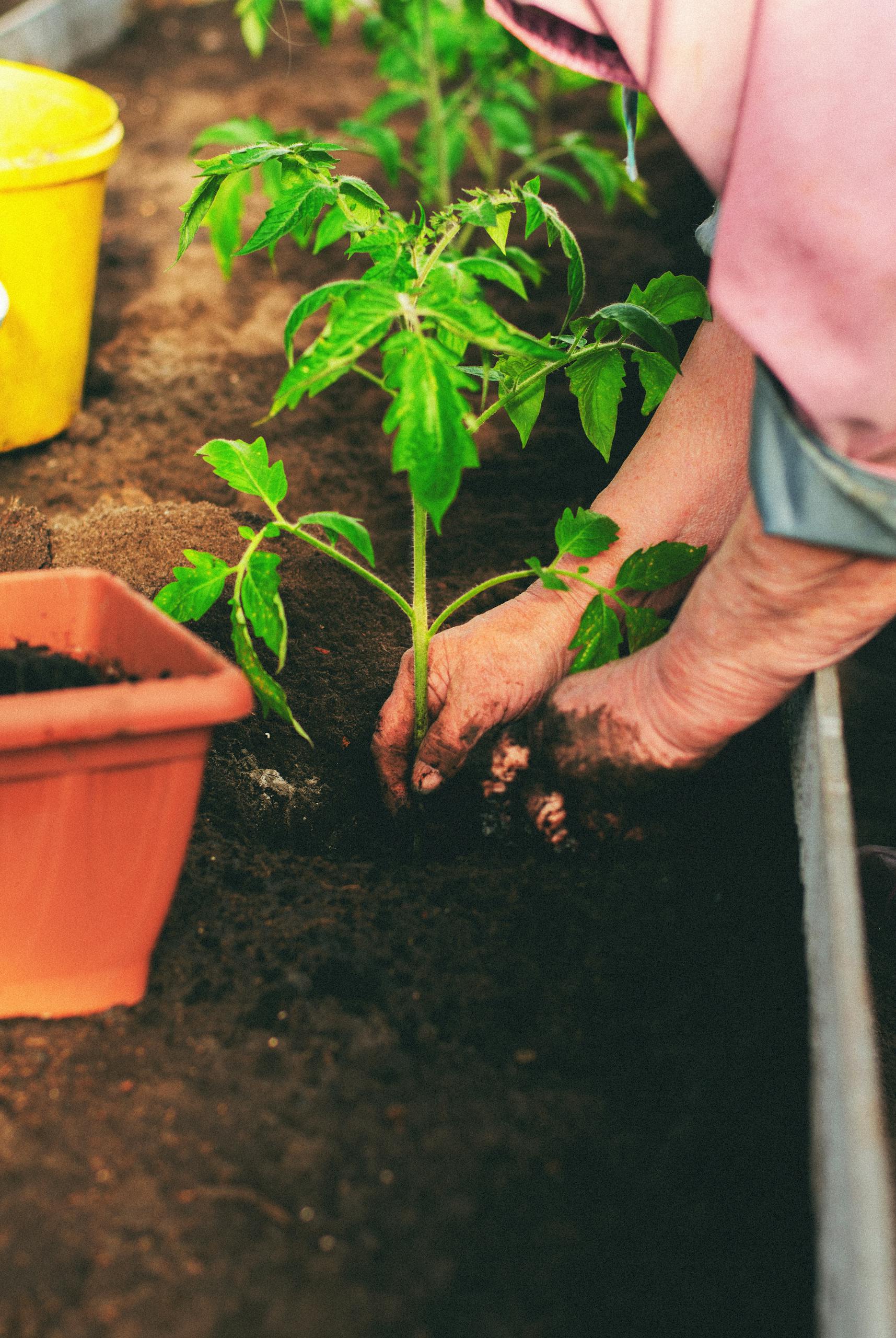
Basic Soil Preparation: Essential Steps for Successful Gardening
Preparing your garden soil is a crucial step for successful planting. Good soil preparation enhances plant health and increases crop yield. Whether you’re growing vegetables, flowers, or herbs, knowing how to ready your soil is essential.
To start, test your soil to determine its type and pH level. This information helps you understand what amendments your soil needs. Using organic materials like compost not only adds nutrients but also improves soil structure, making it easier for plants to take root.
Taking the time to prepare your soil properly can make all the difference in your garden’s success. With the right techniques, you can create a thriving environment for your plants to grow strong and healthy.
Understanding Soil Composition
Soil is made up of various components that affect how well plants grow. You should know about soil types and textures, as well as pH and nutrients. These factors influence drainage, fertility, and overall plant health.
Soil Types and Textures
Soil can be categorized into different types based on texture and composition. The main types include:
- Clay: This soil is dense and retains water well. It can be hard to work with but holds nutrients effectively.
- Sand: Coarse and well-draining, sandy soil dries quickly. It can require more frequent watering due to its low nutrient content.
- Silt: This type has a smooth texture and holds moisture better than sandy soil. It is good for growing many types of plants.
You can evaluate soil texture by taking a handful and wetting it. If it easily forms a ball, it could have more clay. If it falls apart, you likely have sandy soil. Understanding these types helps you choose the best plants for your garden.
Soil pH and Nutrients
Soil pH measures how acidic or alkaline the soil is, which affects nutrient availability. The pH scale ranges from 0 to 14:
- Acidic: Below 7.0, which can limit plant growth for some species.
- Neutral: Around 7.0, ideal for most plants.
- Alkaline: Above 7.0, can affect certain nutrient levels.
You can test soil pH using simple kits available at garden centers.
Nutrients in soil include nitrogen, phosphorus, and potassium, known as NPK. These elements are crucial for plant health:
- Nitrogen: Promotes green foliage.
- Phosphorus: Encourages root development and flowering.
- Potassium: Helps plants resist disease.
Improving soil health may involve adding organic matter like compost. This boosts nutrient levels and helps maintain balanced pH.
Executing Soil Preparation
Preparing your soil properly sets the stage for a successful garden. You will focus on clearing the area, tilling, enhancing soil fertility, and managing moisture.
Clearing the Area
Start by removing any debris from your garden space. This includes weeds, rocks, and old plant materials. Ensure that you clear an area that is free from any obstructions.
Steps to Clear the Area:
- Pull out weeds by hand or use a hoe.
- Remove stones larger than a quarter.
- Rake up any fallen leaves or debris.
A clean area helps prevent pests and diseases when planting. This step ensures that your seeds and plants can grow without competition for resources.
Tilling and Cultivation
Tilling helps break up compacted soil and allows air and nutrients to flow. You can do this with a garden fork, tiller, or spade.
Tilling Process:
- Loosen the Soil: Turn the soil to a depth of about 8-12 inches.
- Break Up Clumps: Ensure there are no large clumps of soil.
- Level Surface: Use a rake to create an even surface for planting.
Tilling also mixes in organic matter, improving soil structure. This helps your plants grow deeper roots and access more nutrients and water.
Enhancing Soil Fertility
To grow healthy plants, your soil needs nutrients. You can enhance soil fertility using organic materials.
Organic Materials to Add:
- Compost
- Peat moss
- Well-rotted manure
Add about 3-4 inches of organic matter and mix it into the soil. This improves drainage and nutrient content. Testing your soil can also help you understand its nutrient levels and pH. Adjust as needed with fertilizers or amendments.
Moisture Management
Managing soil moisture is critical for plant health. Soil that is too dry or too wet can harm plants.
Tips for Moisture Control:
- Watering: Water the soil before planting to ensure it is moist.
- Mulching: Use organic mulch to retain moisture and regulate temperature.
- Drainage Solutions: If water tends to pool, consider adding drainage tiles or creating raised beds.
Proper moisture management allows plants to develop roots and thrive. You will see stronger growth and healthier plants when moisture levels are balanced.