
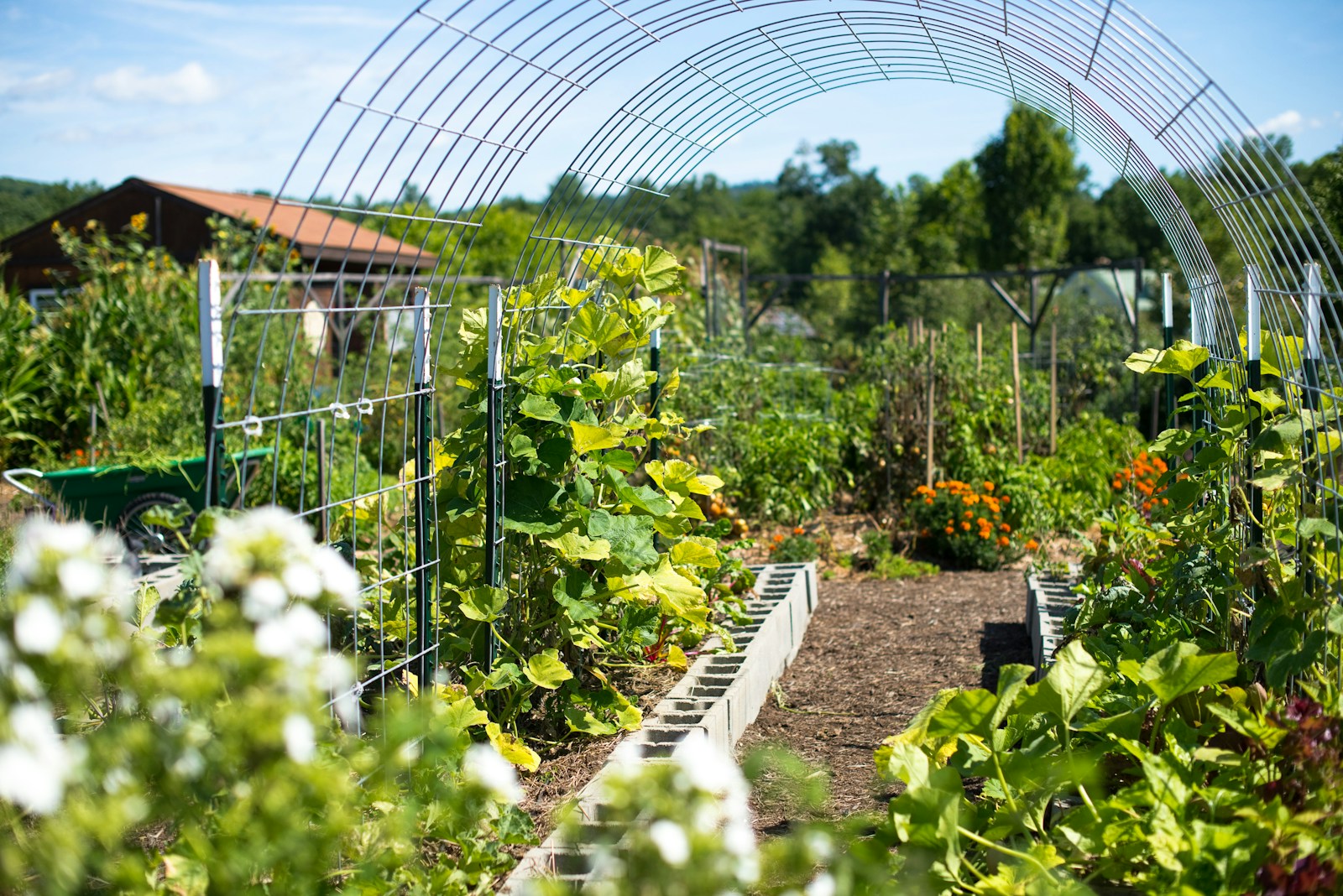
Regenerative Garden Design: Creating Sustainable and Thriving Ecosystems
Creating a regenerative garden design means building a garden that not only thrives but also improves the environment around it. By focusing on soil health and sustainable practices, you can create a self-sustaining ecosystem in your yard. This approach involves techniques like no-till gardening, where you disturb the soil as little as possible, and maintaining living roots in the ground.
Regenerative gardening also encourages diversity through native plants and perennials, which support local wildlife and enhance soil structure. When you design your garden with these principles in mind, you are not just growing plants; you are cultivating a healthier planet. This guide will help you explore the essential practices and methods to make your garden more eco-friendly and productive.
Principles of Regenerative Garden Design
Regenerative garden design focuses on creating a sustainable and resilient ecosystem. Key principles include mimicking natural ecosystems, enhancing soil health, and effectively managing water resources. These elements work together to support a thriving garden.
Ecosystem Mimicry and Biodiversity
In regenerative gardening, you aim to mimic natural ecosystems. This involves planting a diverse range of species, which helps attract beneficial insects and improve pollination.
Consider using a mix of flowers, vegetables, and herbs. This polyculture approach promotes balance and resilience.
- Intercropping: Planting different crops together can enhance pest control and maximize space.
- Companion Planting: Some plants support each other’s growth. For example, basil can improve tomato growth.
A rich biodiversity supports healthier plants and reduces the need for chemical interventions.
Soil Health and Nutrient Cycling
Healthy soil is key to a successful garden. Focus on building soil structure and fertility. This involves adding organic matter, like compost, to feed soil life.
Encourage practices that promote nutrient cycling:
- Crop Rotation: Changing the types of crops grown in a given area each season can prevent nutrient depletion. Some crops have shallow roots, whilst others have deep roots.
- Cover Crops: These plants protect and enrich the soil during off-seasons. Cover crops are great for adding organic matter and also nitrogen to the soil.
Healthy soil will store more water and nutrients, ultimately benefiting your plants.
Water Management and Conservation
Effective water management is crucial in regenerative garden design. Start by understanding your garden’s specific water needs.
Implement techniques to conserve water:
- Rain Gardens: These are shallow depressions that collect rainwater and allow it to soak in, reducing runoff. A variation of this structure is the swale.
- Drip Irrigation: This method delivers water directly to the plant roots, minimizing waste.
You can also plant drought-resistant species to reduce water consumption. By managing water wisely, your garden will thrive, even in challenging conditions.
Implementing Regenerative Practices
To create a successful regenerative garden, you can focus on three key areas: composting for soil health, planting native species for better ecosystems, and managing pests naturally, especially by companion planting. Each of these practices will improve your garden’s productivity and sustainability.
Composting and Organic Matter
Composting allows you to recycle kitchen scraps and yard waste into nutrient-rich organic matter. This process enhances soil health by improving its structure and fertility.
- Start a Compost Bin: Use materials like fruit peels, vegetable scraps, and grass clippings. Avoid meat and dairy to prevent odors and pests, such as rats and mice.
- Balance Green and Brown Materials: Mix green materials (like fresh plant clippings) with brown materials (such as dried leaves or straw) for optimal breakdown. A good compost system needs both carbon and nitrogen. The nitrogen comes from the green materials, and the carbon comes from the brown materials.
- Maintain Moisture: Keep your compost moist, but not soggy. Turn it regularly to aerate, promoting decomposition. Good composting organisms require both moisture and oxygen.
Adding compost can improve soil texture and increase moisture retention, creating an ideal environment for your plants.
Native Plants and Pollinators
Incorporating native plants into your garden supports local ecosystems and encourages biodiversity. Native species are adapted to your area, requiring less water and maintenance compared to non-natives.
- Choose Local Species: Research plants that grow naturally in your region. This fosters a habitat for local wildlife, especially pollinators like bees and butterflies.
- Create Diversity: Plant a variety of species to ensure blooms throughout the growing season. This provides food for pollinators year-round.
- Minimize Lawn Areas: Reduce grassy areas in favor of planting. Native wildflowers and shrubs offer better habitats and attract beneficial insects.
By planting these species, you promote a thriving ecosystem in your garden.
Integrated Pest Management
Integrated Pest Management (IPM) focuses on minimizing pest damage while protecting the environment. This strategy combines multiple methods to manage pests effectively.
- Monitor Your Garden: Regularly check plants for signs of pests or disease. Early detection helps control problems before they escalate.
- Encourage Beneficial Insects: Ladybugs and lacewings can help control aphids and other pests. Planting specific flowers can attract these helpful insects.
- Use Natural Remedies: If pests become a problem, consider non-toxic solutions like insecticidal soap or neem oil.
Implementing IPM can reduce the use of chemicals, making your garden healthier for you and the ecosystem.
Regenerative garden design seeks to create a natural ecosystem in your garden.