
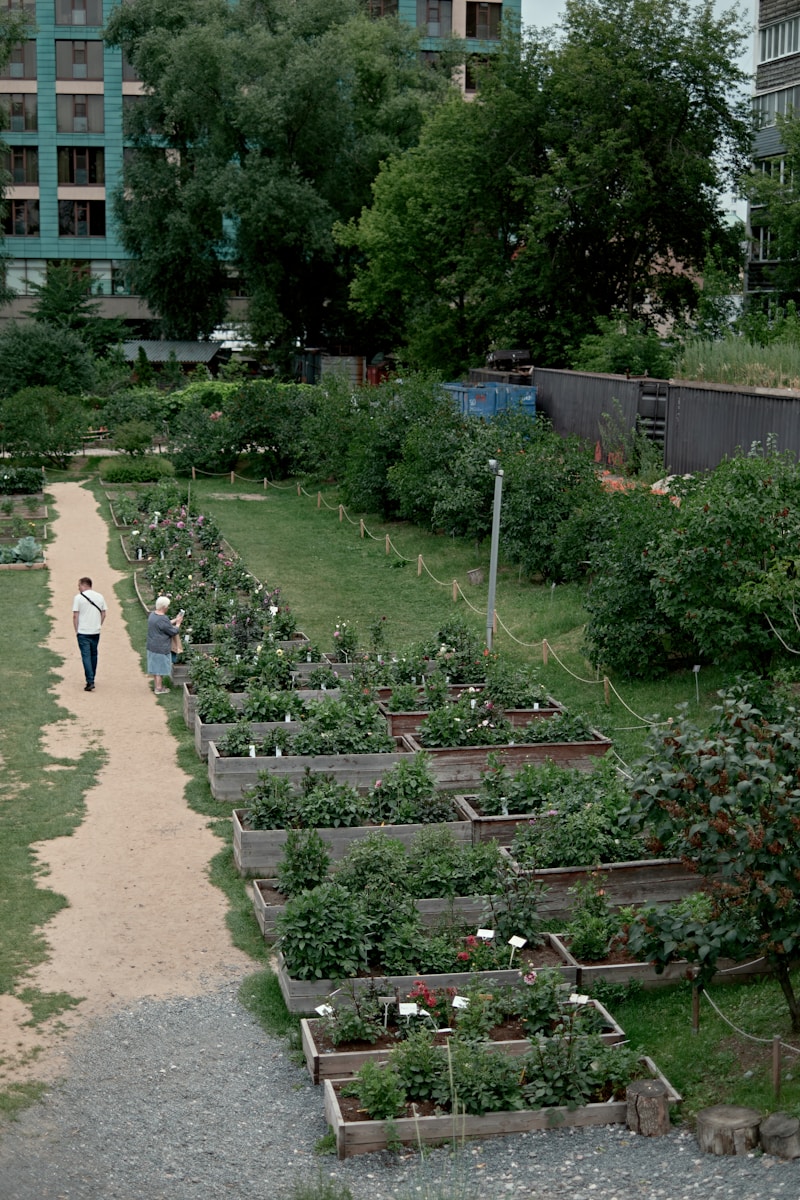
Community Garden Strategy: Cultivating Sustainable Urban Spaces
Creating a successful community garden requires careful planning and collaboration among residents. A well-defined community garden strategy can enhance local engagement, promote sustainability, and provide fresh produce to those involved. By understanding the needs of your neighborhood, you can tailor your garden to reflect the interests and preferences of the community.
To start, assess the available space and resources. Look at what other gardens in your area are doing to inspire your own project. Engage with local residents to gather input and build support; their involvement is key to creating a thriving garden. Aim to create a welcoming space that encourages everyone to participate and contribute.
Establishing clear goals and guidelines will help your garden thrive. Consider what plants to grow, how plots will be assigned, and ways to maintain the space. Incorporate regular meetings and events to foster a sense of community and ensure everyone feels invested in the garden’s success.
Developing a Community Garden Strategy
Creating an effective community garden strategy involves understanding local needs, setting clear goals, engaging the right people, and choosing an appropriate location. Each step is crucial in ensuring that the garden meets community expectations and thrives long-term.
Identifying Community Needs
Start by gathering information about your community. Conduct surveys or host meetings to understand what residents want from the garden. You can ask questions like:
- What types of plants do they want to grow?
- Are there any specific gardening skills they wish to learn?
- How much space do they need for gardening?
Consider the age groups and backgrounds of your community members. Involve families, schools, and local organizations. By aligning the garden’s purpose with community preferences, you can build strong support and increase participation.
Establishing Goals and Objectives
Setting clear goals helps guide your project. Think about both short-term and long-term objectives. Examples may include:
- Creating a space for education and workshops
- Providing fresh produce to local food banks
- Encouraging social interactions among neighbors
Make your goals SMART: Specific, Measurable, Achievable, Relevant, and Time-bound. This approach ensures that you have measurable outcomes and deadlines, making it easier to track progress and keep participants motivated.
Engaging Stakeholders
Identify potential stakeholders who can contribute to your garden’s success. These may include local farmers, schools, businesses, and government agencies. Their involvement can provide:
- Resources like seeds, tools, or funding
- Expertise in gardening or ecology
- Opportunities for educational events or workshops
Create a list of these stakeholders and reach out to invite them to participate. Foster relationships by organizing meetings to discuss shared interests and goals for the community garden.
Selecting a Suitable Site
Choosing the right location is critical for the garden’s success. Look for a site that is:
- Easily accessible for community members
- Has adequate sunlight and water supply
- Free from contaminants in the soil
Assess different options in your area, such as vacant lots, parks, or schoolyards. Verify landownership and seek permission before proceeding. A well-chosen site can greatly enhance community engagement and ensure the long-term viability of your garden.
Implementation and Management
Successful management of a community garden requires careful planning and execution. You will need to focus on securing funds, designing the garden, planning operations, and engaging the community. Each of these areas plays a crucial role in the garden’s success.
Securing Funding and Resources
To start a community garden, you must secure funding. Consider these options:
- Grants: Look for local or national grants specifically for community gardening.
- Fundraising Events: Organize events to gather donations.
- Sponsorship: Reach out to local businesses for sponsorship opportunities.
In addition, gather materials needed for the garden. This may include soil, seeds, tools, and fencing. Local garden centers often provide discounts or donations for community projects. Always create a budget to track spending and ensure funds are used effectively.
Garden Design and Construction
Designing your garden is key to its functionality. Choose a layout that accommodates various plants while considering sunlight, accessibility, and water supply.
Important steps include:
- Plot Organization: Group similar plants or organic plots together.
- Paths and Access: Ensure paths are wide enough for wheelbarrow access.
- Water Access: Plan for a nearby water source for easy irrigation.
Once the design is finalized, begin construction. Use durable materials for fencing and raised beds. Seek help from volunteers for labor; this can build community spirit and ownership.
Operational Planning
Operational planning keeps your garden running smoothly. Establish clear rules that outline responsibilities for maintenance, watering, and pest management. Create a schedule for tasks such as weeding and harvesting.
Key aspects to consider:
- Management System: Designate a committee to handle decisions and conflict resolution.
- Communication Plan: Use social media, newsletters, or bulletin boards to keep gardeners informed.
- Event Planning: Organize regular meetings and workdays to foster community involvement.
Regular maintenance checks ensure the garden stays healthy and productive. This helps prevent issues like pest infestations or weed overgrowth.
Community Involvement and Education
Getting the community involved enhances the experience for everyone. Encourage neighbors to participate in planting and maintenance days.
Possible educational opportunities include:
- Workshops: Offer classes on gardening techniques or composting.
- Garden Tours: Host tours to showcase what is being grown.
- Volunteer Programs: Create opportunities for local schools or groups to help.
Sharing knowledge helps build a strong community connection. It also empowers individuals to take pride in their contributions to the garden.