
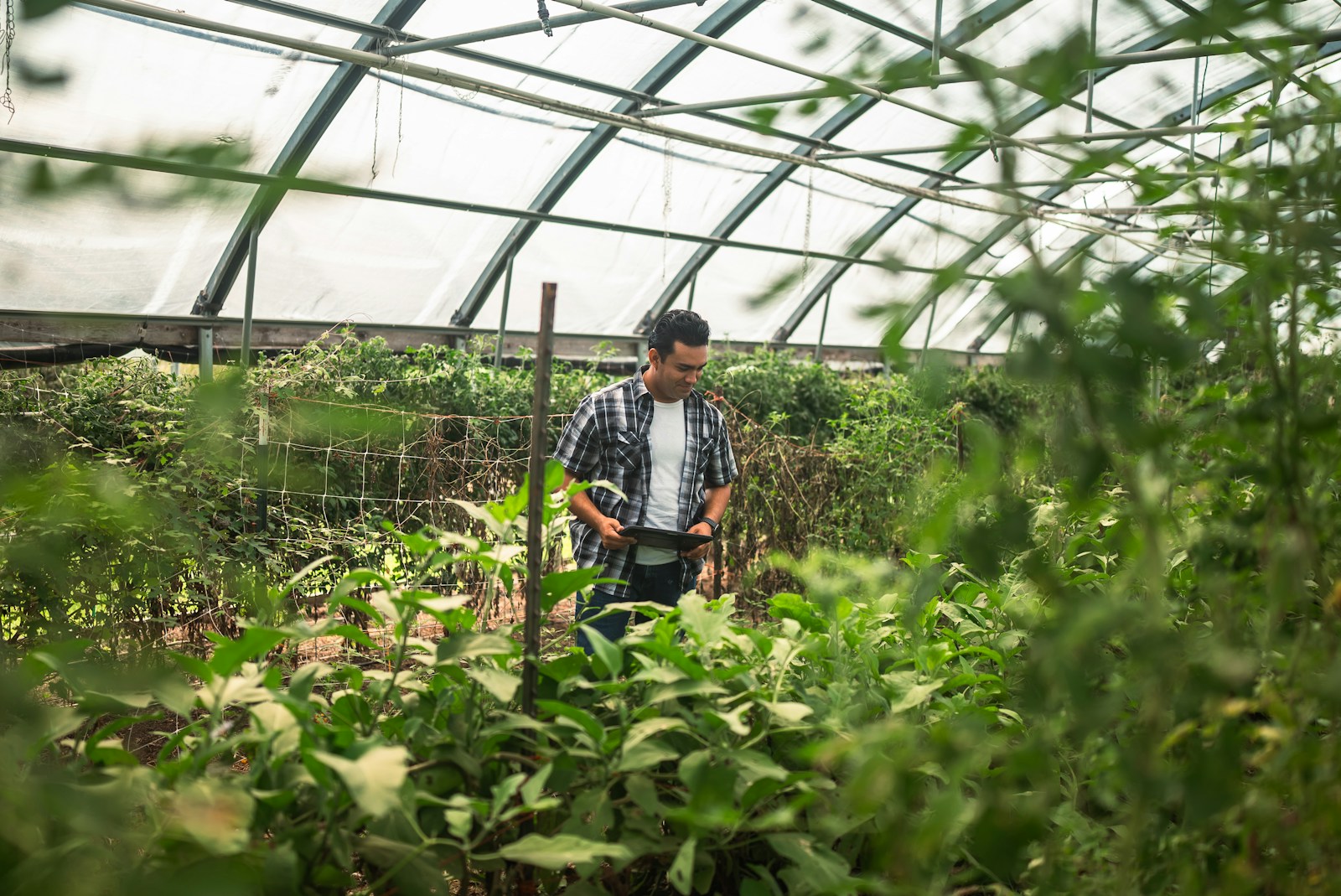
City Permaculture Design: Sustainable Solutions for Urban Living
City permaculture design is an innovative approach that allows you to transform urban spaces into sustainable environments. This method emphasizes creating self-sufficient ecosystems that produce food, conserve water, and reduce waste, often using limited space creatively. By applying permaculture principles, you can turn rooftops, backyards, and community gardens into thriving habitats that benefit both you and your community.
As urban areas grow, the need for sustainable food sources and green spaces becomes more essential. You can adopt techniques from permaculture to not only grow your own food but also to improve the overall health of your neighborhood. From vertical gardens to urban orchards, there are countless ways to incorporate these designs into city living that enhance your lifestyle while supporting the planet.
The beauty of city permaculture lies in its adaptability. Whether you have a small balcony or access to a larger community space, you can implement these practices effectively. This blog post will explore various strategies and examples that showcase how you can create an ecological oasis right where you live.
Principles of Urban Permaculture
Urban permaculture focuses on creating sustainable living spaces within city environments. You can adapt traditional permaculture principles to small urban areas by enhancing your use of available resources and fostering community connections.
Adapting to Small Spaces
In urban settings, space is often limited. To thrive, you must use available areas wisely.
Container Gardening: Use pots or raised beds to grow vegetables and herbs. This method allows you to utilize balconies, patios, and small yards efficiently.
Succession Planting: Plant different crops in the same space throughout the year. This practice maximizes harvests while enriching soil health.
Co-housing Opportunities: Consider sharing garden space with neighbors. Community gardens can provide fresh produce while building social ties.
By implementing these strategies, you can create a productive food source in limited spaces.
Maximizing Vertical Surfaces
Vertical gardening is essential in urban permaculture. It helps you utilize walls, fences, and trellises effectively.
Trellises and Supports: Use these structures to grow climbing plants like beans, tomatoes, and cucumbers. This saves ground space and enhances air circulation.
Vertical Planters: Install pockets or shelves on walls to house various plants. This can increase your planting area significantly without needing more ground space.
Green Walls: If feasible, vertical gardens on building exteriors can improve air quality. They also provide insulation and aesthetic benefits.
These approaches allow you to expand your garden upward, maximizing your growing potential.
Integrating Community Dynamics
Community plays a vital role in urban permaculture. Engaging with your neighbors fosters cooperation and shared resources.
Knowledge Sharing: Host workshops or meetings to share gardening techniques and tips. This builds a stronger community and improves everyone’s skills.
Resource Exchange: Create a network for sharing tools, seeds, and harvest. This reduces costs and builds goodwill among residents.
Collaborative Projects: Initiate community gardens or green spaces that bring people together. These projects can revitalize neighborhoods and encourage social interaction.
By integrating community dynamics, you contribute to a more resilient and self-sufficient urban environment.
Implementing Sustainable Practices
In city permaculture design, sustainable practices focus on efficient resource use, fostering biodiversity, and managing waste properly. These elements contribute to creating healthy urban environments.
Water Conservation Strategies
Water conservation is crucial in urban areas. Implementing rainwater harvesting systems allows you to collect and reuse rainwater for irrigation. You can install simple rain barrels at downspouts or more complex setups for larger properties.
Drip irrigation is another effective strategy. This method delivers water directly to plant roots, minimizing evaporation and runoff. Consider using native plants in landscaping as they often require less water once established.
Additionally, utilizing permeable paving can help reduce runoff and promote groundwater recharge. This means less need for stormwater management systems, leading to cost savings.
Urban Biodiversity Enhancement
Enhancing urban biodiversity is vital for creating resilient ecosystems. Start by incorporating native plants in your gardens and public spaces. These plants support local fauna, attract pollinators, and require lower maintenance.
You can also create community gardens. They not only provide food but serve as habitats for various species. Including fruit trees in urban settings can increase biodiversity while offering fresh produce.
Green roofs and vertical gardens are other excellent solutions. They add greenery to buildings, improve air quality, and reduce heat. Such features create more pleasant urban spaces while supporting wildlife.
Organic Waste Management
Effective organic waste management is essential for a sustainable city. Start composting kitchen scraps and yard waste. By doing this, you reduce landfill contributions and create nutrient-rich soil for gardens.
You can also encourage local residents to participate in composting programs. Consider providing educational resources and compost bins to make it easier.
Implementing community or municipal composting sites can further enhance organic waste management. These sites can process large amounts of organic material efficiently.
Anaerobic digestion is another approach that converts organic waste into energy while reducing methane emissions from landfills. Engaging the community in these initiatives can foster a culture of sustainability.