
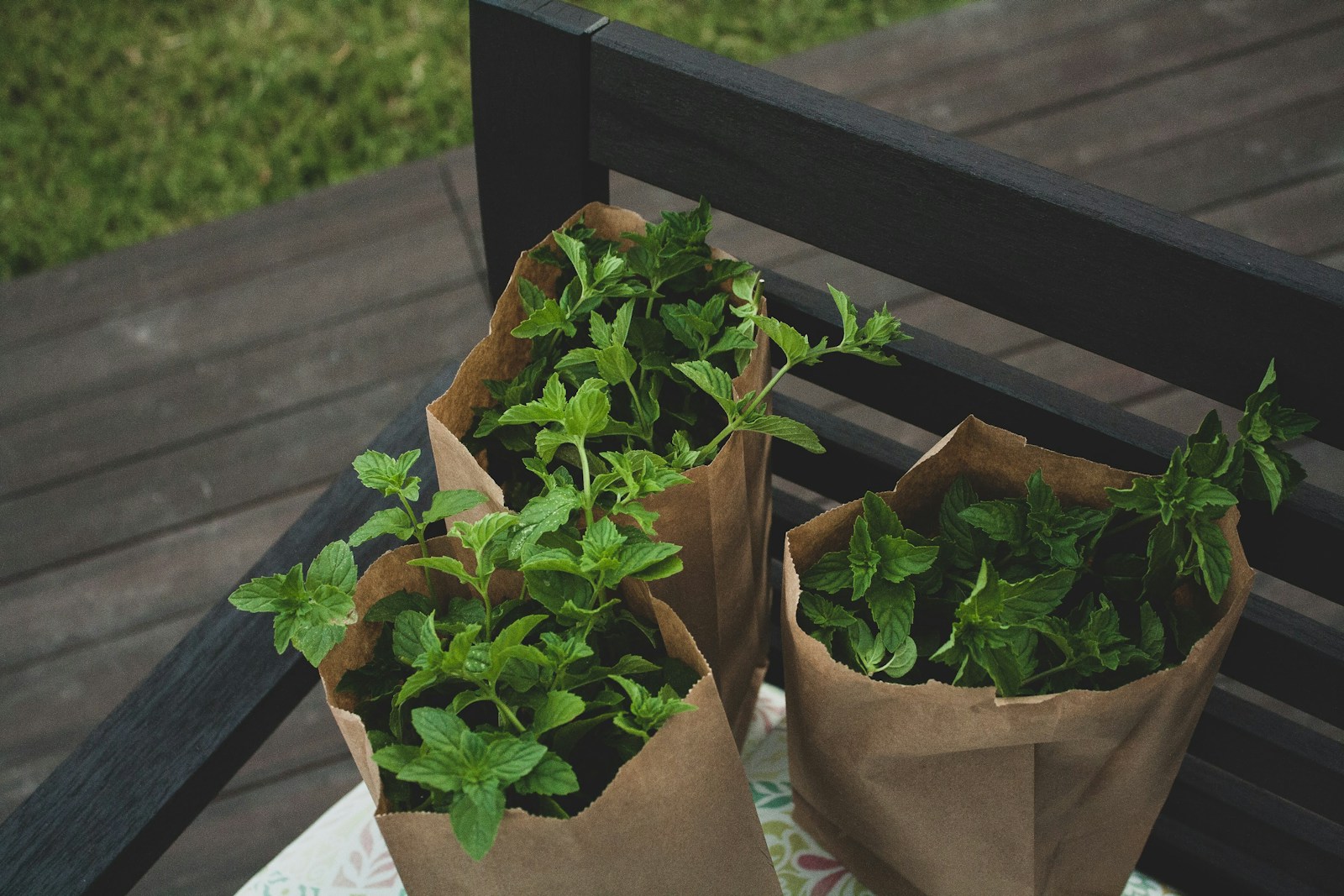
Compact Edible Landscaping: Transforming Small Spaces into Productive Gardens
Imagine transforming your small outdoor space into a source of fresh food. Compact edible landscaping allows you to grow fruits, vegetables, and herbs in limited areas, like patios or balconies. By using containers and raised beds, you can create a beautiful and functional garden that maximizes your available space.
With new varieties of plants designed for smaller spaces, it’s easier than ever to enjoy homegrown produce. Many compact edibles thrive in containers, offering both convenience and accessibility. You can enjoy the visual appeal of your garden while benefiting from the flavors of your homegrown food.
Exploring creative ways to design your compact garden can change how you view your space. Whether you choose to mix flowers with vegetables or follow a foodscaping approach, the possibilities are endless. Embracing compact edible landscaping lets you enjoy nature and delicious meals right at home.
Fundamentals of Compact Edible Landscaping
Compact edible landscaping allows you to maximize small spaces by combining beauty with functionality. This approach helps you create attractive gardens while growing food. You can achieve this by choosing the right plants and design methods.
Defining Compact Edible Landscaping
Compact edible landscaping focuses on integrating edible plants into smaller spaces. This can include patios, balconies, or tiny yards. You incorporate vegetables, herbs, and fruit plants alongside traditional ornamental plants.
Choosing compact or dwarf varieties is essential for this type of landscaping. These plants do not require much space. Also, vertical gardening techniques can be used. This method uses trellises and containers to grow plants upward instead of outward.
Benefits of Multifunctional Spaces
By creating compact edible gardens, you enhance your space’s usefulness. The most obvious benefit is growing your own food. This not only saves money but can also improve your diet.
Another advantage is the reduction of pesticide use. Growing your own plants means you control their care. Aesthetically, these gardens add beauty and variety to your landscape. When flowers bloom alongside vegetables, it creates a vibrant, inviting atmosphere.
Additionally, compact gardens can provide exercise and stress relief. Tending to your garden connects you with nature. Even small areas can be transformed into relaxing spaces.
Selecting Suitable Plants
When considering compact edible landscaping, plant selection is crucial. Choose plants that thrive in small areas and require low maintenance. Here’s a list of suitable options:
- Herbs: Basil, parsley, and chives work well in pots or small beds.
- Vegetables: Look for dwarf varieties of tomatoes, peppers, and lettuces.
- Fruits: Strawberries and dwarf fruit trees are great for small spaces.
Opt for plants that grow well together. This concept is known as companion planting. For example, growing basil near tomatoes can enhance flavor and repel pests. Arrange your plants based on their sunlight needs and growth patterns for maximum yield.
With the right knowledge and planning, you can transform a small area into a productive and lovely garden space.
Designing Your Compact Edible Landscape
Creating a compact edible landscape requires careful planning and attention to detail. You will want to assess your available space, find a balance between beauty and utility, and consider the maintenance needs of the plants you choose.
Analyzing Your Space
Start by measuring your garden area. Record dimensions and identify sunlight exposure throughout the day. This helps you determine which plants will thrive in your landscape.
Consider the following key factors:
- Sunlight: Most vegetables and fruits need 6-8 hours of sunlight daily.
- Soil type: Conduct a soil test to check pH and nutrient levels.
- Drainage: Ensure the area has good drainage to prevent waterlogging.
Plan paths and access points for easy reach to your plants while maximizing planting space.
Integrating Aesthetics and Functionality
Aim for a design that pleases the eye and supports your gardening goals. Use a mix of visually appealing and practical plants. Choose flowering herbs, colorful vegetables, and greenery to create a vibrant landscape.
Design Tips:
- Layering: Tall plants like tomatoes can be planted behind shorter ones like lettuce.
- Containers: Use pots and raised beds to define spaces and add height.
- Color and Texture: Combine various textures and colors for visual interest.
- Trellises: Use climbing structures to use vertical space.
Use pathways to guide movement and ensure plants receive adequate air circulation.
Maintenance Considerations
Selecting low-maintenance plants can make upkeep easier. Choose perennials like chives or rhubarb that come back year after year. Include annuals like peppers or kale for seasonal variety.
Maintenance Strategies:
- Watering: Use drip irrigation or self-watering containers to save time.
- Mulching: Apply mulch to suppress weeds and retain moisture.
- Pest Management: Incorporate companion planting to deter pests naturally.
Regularly check plants for signs of disease and maintain a schedule for harvesting to enjoy your produce at its best.