
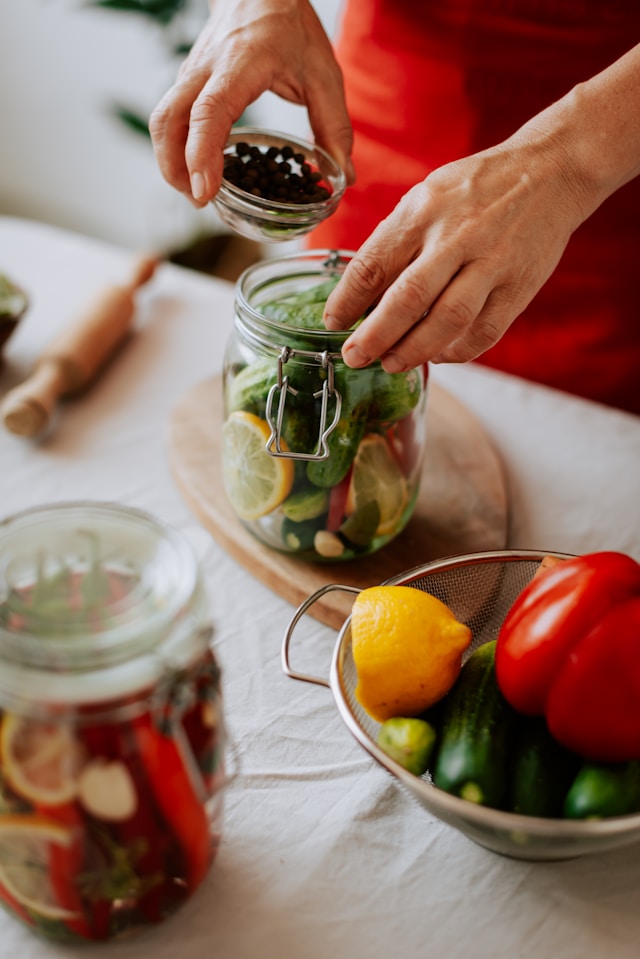
Fermented Garden Pickles: A Guide to Crafting Flavorful, Healthy Snacks
Fermented garden pickles are a tasty and healthy addition to your meals. These pickles are made through a natural fermentation process that not only enhances their flavor but also adds beneficial probiotics. You can easily make crisp, tangy pickles at home using fresh cucumbers from your garden and simple ingredients.
The fermentation process usually takes around 5 to 7 days, during which your pickles develop that signature sour taste. Keeping them in a cool, dark spot is essential for the best results. With the right technique, you can create a delicious snack that packs a nutritional punch.
Learning how to make your own fermented pickles opens up a world of flavor and creativity in the kitchen. You can adjust spices and herbs to suit your taste, making each batch unique to your preferences. Dive in and discover the simple joy of crafting your own pickles at home.
Fundamentals of Fermented Garden Pickles
Fermented garden pickles are a delicious way to preserve vegetables, particularly cucumbers. Understanding how to ferment them properly is essential for achieving the best flavor and health benefits. You’ll learn about the fermentation process, the health advantages of these pickles, and how to choose the right ingredients.
The Fermentation Process
Fermentation occurs when beneficial bacteria convert sugars into lactic acid. To start, prepare your cucumbers by washing and slicing them. You can use whole cucumbers or cut them into desired shapes.
Next, create a brine with water and salt. A common ratio is 2 tablespoons of salt per quart of water. Mix until the salt dissolves.
Add the cucumbers to a clean jar and pour the brine over them, ensuring they are fully submerged. You can also include spices like garlic or dill for extra flavor. Cover the jar loosely to allow gases to escape. Place it in a cool, dark spot for about one week. Taste regularly to find your preferred sourness.
Health Benefits
Fermented pickles offer several health advantages. The fermentation process produces probiotics, which are good bacteria that support gut health.
Eating fermented foods can aid digestion and improve nutrient absorption. They may also boost your immune system by promoting a balanced gut microbiome.
Additionally, fermented pickles are low in calories. They can make a great snack or a flavorful addition to meals. Remember, the benefits depend on the proper fermentation process, so follow your recipe closely for the best results.
Choosing Ingredients
The quality of your ingredients greatly impacts the flavor and benefits of your pickles. Start with fresh, crisp cucumbers. Varieties like Kirby or Persian cucumbers work well for fermentation.
Choose non-iodized salt, such as kosher salt or sea salt. Iodized salt can affect fermentation. For flavor, consider adding fresh dill, garlic cloves, or chili flakes.
Make sure the water you use is free from chlorine, which can hinder the fermentation process. Using filtered or spring water is preferred. These choices will enhance the overall taste and effectiveness of your fermented pickles.
Preparing and Storing Fermented Pickles
To make the best fermented pickles, you need to follow specific steps for preparation and storage. This involves creating the right brine and knowing how to keep your pickles fresh.
Preparation Steps
Gather Ingredients: You will need cucumbers, salt, water, and optional spices like garlic and dill. Choose fresh cucumbers for the best flavor.
Make the Brine: Dissolve 1-2 tablespoons of salt in 1 quart of water. This saltwater solution is essential for fermentation.
Pack the Jars: Place cucumbers and spices in a clean jar. Pour the brine over the cucumbers, making sure they are submerged. Leave some space at the top to allow for bubbling gases.
Seal the Jar: Use a lid to cover the jar, but do not seal it tightly. A loose lid allows gases to escape during fermentation.
Fermentation Time: Place the jar in a cool, dark spot for 1 to 4 weeks. Taste the pickles regularly to find your desired flavor.
Optimal Storage Conditions
Once your pickles are fermented, they need proper storage to maintain their taste and texture.
Refrigeration: Move your pickles to the fridge. This slows fermentation but keeps them crisp. Use airtight containers or jars.
Avoid Heat and Light: Store pickles in a cool, dark area. Avoid direct sunlight and heat sources, as these can spoil them.
Consider Canning: If you want long-term storage, canning is the best method. Heat the brine, pack pickles in sterilized jars, and process them in a water bath.
Shelf Life and Safety
Fermented pickles can last for several months if stored properly.
Refrigerated Pickles: If kept in the fridge, they can last about 1-3 months. Check for off smells or colors before consuming.
Canned Pickles: Properly canned pickles can last up to a year or more if stored in a cool, dry place.
Signs of Spoilage: Watch for mold, off smells, or sour taste that differs from your original recipe. If you notice these signs, discard the pickles immediately to avoid safety issues.