
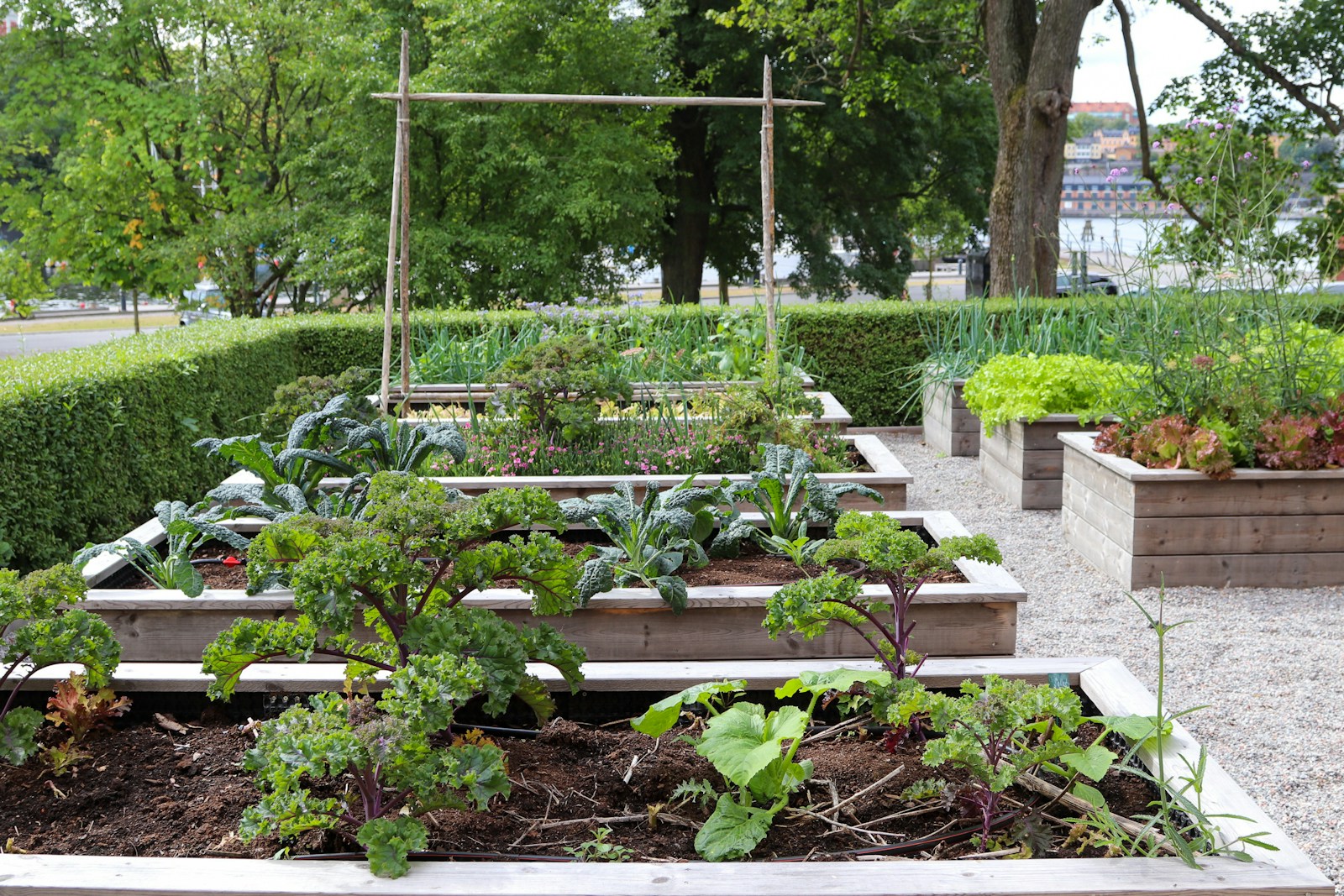
Urban Square Foot Method: A Comprehensive Guide to Efficient Urban Gardening
The urban square foot gardening method is an efficient way to grow food in small spaces. This method allows you to maximize your growing area, using 20% less space and significantly reducing the amount of water needed. With structured planting and raised beds, you can cultivate a variety of vegetables and herbs right in your backyard or balcony.
This gardening style is particularly useful in cities where outdoor space is limited. By organizing plants into square-foot sections, you can grow a diverse range of crops while minimizing labor. Whether you’re looking to enhance your diet or simply enjoy gardening, this method makes it easy to achieve great results.
If you’re ready to transform a small area into a productive garden, urban square foot gardening could be the answer you need. It combines simplicity with effectiveness, making it a popular choice for city dwellers and beginners alike.
Fundamentals of Urban Square Foot Method
The Urban Square Foot Method transforms limited spaces into productive gardens. By using this method, you can maximize your gardening potential in small areas, making it perfect for urban settings.
Concept and Definition
The Urban Square Foot Method is a gardening technique that breaks down garden space into small, manageable square sections, usually measuring one foot by one foot. Each square is dedicated to a different plant or vegetable, allowing for a variety of crops in a small area.
This method makes gardening accessible, even in limited spaces like balconies, patios, or small yards. You can grow more food in less space while maintaining healthy soil and minimizing water use.
Historical Evolution
This gardening technique has roots dating back to the 1980s when Mel Bartholomew introduced the concept in his book “Square Foot Gardening.” The idea gained popularity among urban gardeners looking for efficient ways to grow food.
Since then, it has evolved to incorporate modern gardening tools and techniques. More people have adopted it due to rising interest in sustainability and the local food movement.
Key Principles
The Urban Square Foot Method is built on several key principles:
- Space Efficiency: Maximizes gardening potential in small plots.
- Soil Health: Uses high-quality soil and compost to support plant growth.
- Companion Planting: Plants are selected for compatibility, enhancing growth and pest control.
By following these principles, you can create a productive garden that thrives in urban environments. Adopting this method promotes sustainable practices and can lead to fruitful harvests, even in tiny spaces.
Application and Impact
The urban square foot gardening method offers practical applications in various areas like urban planning, economics, the environment, and social dynamics. Understanding these impacts can help you see the broad benefits of incorporating this method into city life.
Urban Planning and Design
Square foot gardening fits well into urban planning because it optimizes space. In crowded cities, land is valuable. By using small plots effectively, you can create green spaces that serve multiple functions, like community gardens or parks.
This gardening method also makes it easier to integrate green spaces into neighborhoods. It allows for more food production in limited areas, which can help reduce food deserts. Attractive and functional designs encourage community interactions, fostering a sense of belonging among residents.
Economic Implications
Implementing square foot gardening in urban areas can generate economic benefits. You can reduce food costs for families by producing vegetables locally. This decreases reliance on long supply chains, which can also lower transportation expenses.
Additionally, community gardens can boost local economies through farm stands and farmers’ markets. They create job opportunities in urban agriculture, landscaping, and education. Local businesses may also benefit from increased foot traffic as community spaces draw people in.
Environmental Considerations
The environmental impact of square foot gardening is significant. This method promotes biodiversity by allowing various plants to grow together, creating habitats for pollinators and beneficial insects.
Using this method can help reduce water usage compared to traditional gardening. The compact design means less soil is needed, and you often utilize methods like composting, decreasing waste. Urban gardening also helps combat urban heat by reducing surface temperatures and improving air quality through increased greenery.
Social and Cultural Factors
Square foot gardening fosters community spirit. When you participate in or establish a community garden, you engage with neighbors and share resources. This builds relationships and encourages collaboration.
Culturally, you can celebrate diversity by growing a variety of plants from different traditions. These gardens often become spaces for events, education, and cultural exchange. They can also serve as a teaching tool for schools, helping children learn about sustainable practices.