
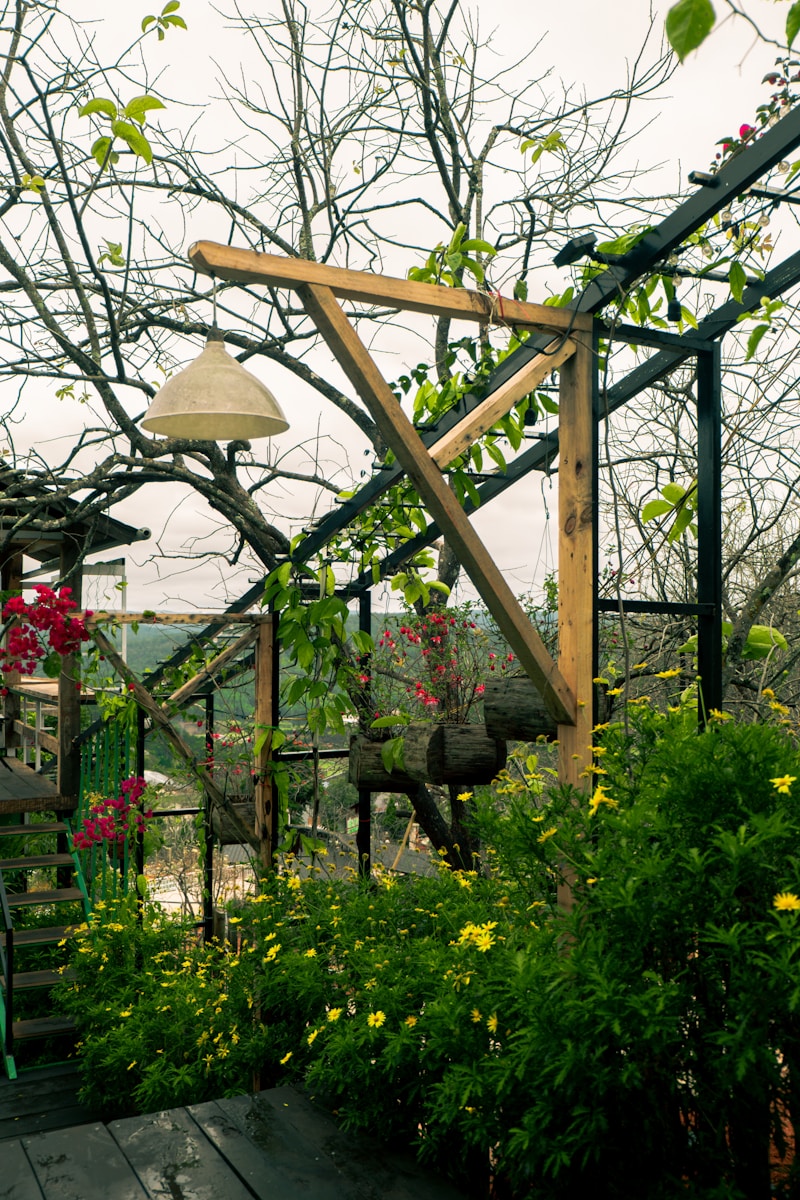
Sustainable Garden Structures: Designing Eco-Friendly and Functional Outdoor Spaces
Sustainable garden structures not only enhance the beauty of your outdoor space but also contribute positively to the environment. You can create eco-friendly spaces using materials that reduce waste and lower your carbon footprint. Designing with sustainability in mind means choosing elements that support biodiversity, conserve resources, and promote a healthy ecosystem.
Incorporating structures like garden sheds, trellises, and greenhouses can transform your gardening experience. Opt for materials such as reclaimed wood, bamboo, or recycled metal for a minimal environmental impact. This approach not only helps in creating a beautiful garden but also aligns your gardening practices with eco-friendly principles.
By exploring sustainable options, you invest in the long-term health of your garden and the planet. Discover how these thoughtful choices can lead to a more vibrant and resilient outdoor space, benefiting both you and your local ecosystem.
Design Principles for Sustainable Garden Structures
Creating sustainable garden structures involves thoughtful planning and the use of eco-friendly practices. Key areas to focus on include the materials you choose, energy usage, and water conservation.
Incorporating Renewable Materials
When building garden structures, selecting renewable materials is crucial. Look for options like bamboo, reclaimed wood, or recycled metal. These materials reduce the demand for new resources and lower your carbon footprint.
Benefits of Renewable Materials:
- Bamboo: Grows quickly and is durable.
- Reclaimed Wood: Old wood reduces waste and adds character.
- Recycled Metal: Minimizes new metal production impact.
By choosing these materials, you contribute to a healthier environment while creating attractive, functional spaces.
Maximizing Energy Efficiency
Energy efficiency should be a top priority in your garden design. To achieve this, consider passive solar heating and natural ventilation. Orient structures to capture sunlight effectively and use overhangs to shade areas in summer.
Energy Efficiency Tips:
- Insulation: Use high-quality insulation materials.
- Solar Panels: Install solar panels to power lighting or pumps.
- Natural Cooling: Design spaces for cross-ventilation.
- Pergolas: Use deciduous vines on pergolas for summer cooling.
These strategies minimize energy consumption and lower costs while enhancing comfort in your garden structures.
Water Conservation Strategies
Water conservation is essential for sustainable gardening. Implement systems that utilize rainwater and greywater for irrigation.
Effective Water Conservation Methods:
- Rain Barrels: Collect rainwater for garden use.
- Drip Irrigation: Delivers water directly to plant roots, reducing waste.
- Drought-Tolerant Plants: Choose native plants that need less water.
- Swales: Swales or ditches along the contour increase rain absorption.
By integrating these methods, you can create a garden that thrives while using resources responsibly.
Types of Sustainable Garden Structures
Sustainable garden structures can enhance your gardening experience while being eco-friendly. These structures help you grow plants efficiently and make the most of your outdoor space. Below are key types of sustainable garden structures to consider.
Greenhouses
A greenhouse allows you to extend the growing season for your plants. You can use materials like recycled glass or polycarbonate panels, which are both effective and eco-friendly.
Benefits of Greenhouses:
- Protects plants from harsh weather
- Maintains a controlled environment
- Encourages year-round gardening
Choose energy-efficient heating systems to reduce your carbon footprint. You can also consider passive solar design, which utilizes sunlight for warmth. Active composting is great for warming greenhouses.
Garden Sheds
Garden sheds are useful for storing tools and supplies. Using reclaimed wood for your shed’s construction can provide a unique look while being sustainable.
Features to Include:
- Solar panels for energy
- Rainwater collection systems
- Proper ventilation for air circulation
By adding these features, you make your shed more functional and eco-friendly. Opt for non-toxic finishes and paints to keep chemicals out of your garden space.
Pergolas and Arbors
Pergolas and arbors offer support for climbing plants and provide shade in your garden. Made from sustainably sourced wood, these structures can enhance your garden’s aesthetics.
Advantages:
- They create a microclimate for plants.
- Provide spaces for relaxation.
- Can support fruit and flowering vines.
Consider using designs that incorporate solar lights or native plants to further boost sustainability.
Vertical Gardens
Vertical gardens maximize space and can be created on walls or fences. They are great for small areas where ground space is limited.
Key Points:
- Use modular planting systems for easy customization.
- Incorporate drip irrigation to reduce water waste.
- Choose native plants that thrive in vertical spaces.
This type of structure not only beautifies your garden but also improves air quality.
Rainwater Harvesting Systems
Rainwater harvesting systems collect and store rainwater for future use. Setting up a rain barrel or cistern can significantly reduce your water usage.
Implementation Steps:
- Install downspouts that direct rainwater.
- Ensure that containers are food-safe, if you plan to water edible plants.
- Use a filtration system to clean the water before use.
These systems help in conserving water, making them an essential addition to any sustainable garden.
By understanding these types of sustainable garden structures, you can make informed decisions for a greener and more efficient garden.