
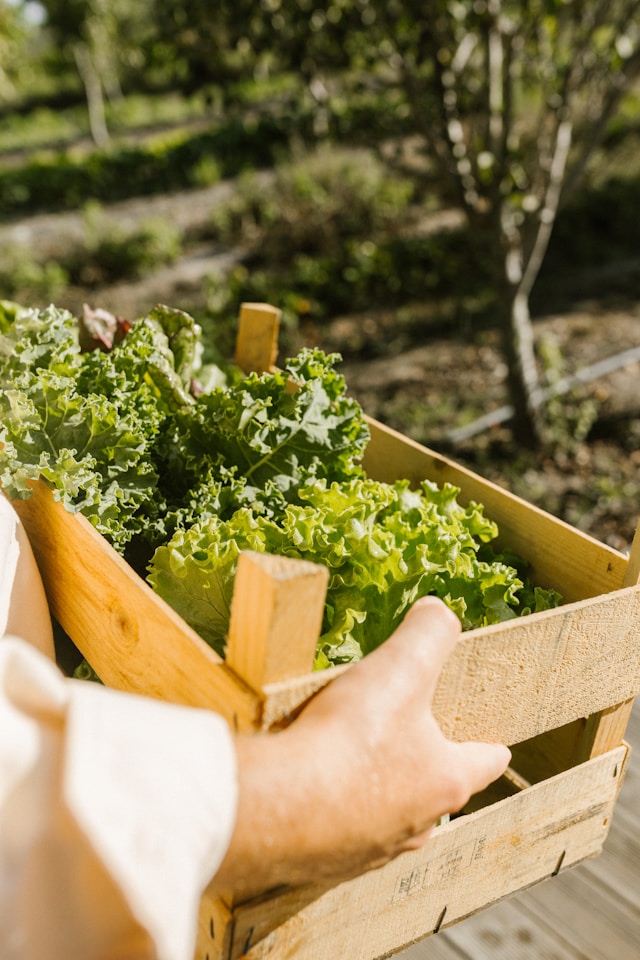
Vegetable Harvesting Guide: Essential Tips for Successful Crops
Harvesting vegetables at the right time is crucial for getting the best flavor and texture. Knowing when to pick your crops can lead to a more productive garden and a tastier harvest. Each vegetable has its own ideal time for harvesting, which affects both its taste and nutritional value.
In this guide, you will learn the best practices for harvesting a variety of vegetables. From timing to techniques, you’ll find straightforward advice to ensure your garden yields fresh and delicious produce. Whether you’re a beginner or seasoned gardener, following these tips will enhance your gardening experience.
Maximize your garden’s potential by understanding how and when to harvest. Fresh vegetables not only taste better but also offer more nutrients. Let’s dive into the essentials of vegetable harvesting to help you enjoy the fruits of your labor.
Planning Your Harvest
Harvesting is just as important as planting. Proper planning ensures that you gather vegetables at the right time for the best taste and quality. This section covers key elements to consider when preparing for your harvest.
Understanding Plant Maturity
Knowing when your plants are mature is crucial. Each type of vegetable has its own maturity indicators.
- For leafy greens, look for vibrant color and size.
- Root vegetables like carrots are ready when they reach a typical diameter.
Additionally, fruit-bearing plants like tomatoes should be harvested when fully colored and firm. Check seed packets or trusted gardening guides for specific days to maturity.
Choosing the Right Time to Harvest
Timing your harvest can affect flavor and shelf life.
- Morning is the best time to harvest, after dew has dried. This helps preserve moisture and keeps vegetables crisp.
- Avoid harvesting during the heat of the day, as this can lead to wilting.
Pay attention to weather conditions, too. Aim to harvest before rain or frost to avoid damage to your crops.
Tools and Equipment
Using the right tools makes harvesting easier and more efficient.
- A sharp knife or garden shears helps make clean cuts, reducing damage to plants.
- A basket or container keeps harvested items safe and helps prevent bruising.
For root vegetables, a garden fork can help lift plants without breaking them. Organize your tools beforehand to streamline the process and ensure a successful harvest.
Harvesting Techniques
Knowing the right techniques for harvesting various types of vegetables can help you achieve the best flavor and quality. Each category of vegetable has specific methods that ensure a successful harvest.
Leafy Greens
For leafy greens, such as lettuce and spinach, harvest in the early morning. This is when the leaves are crisp and full of moisture.
Cutting Method: Use scissors or garden shears to snip the leaves, avoiding damage to the plant’s base.
Selection: Choose outer leaves first, allowing the inner leaves to continue growing.
Storage: Place harvested greens in a cool, damp cloth or plastic bag to keep them fresh longer.
Always wash your greens before consuming them to remove any dirt or pests.
Root Vegetables
Root vegetables, like carrots and radishes, need careful handling to avoid breaking.
Timing: Harvest when they reach their desired size. For instance, carrots should be about 1 to 1.5 inches in diameter.
Pulling Method: Use a garden fork or your hands. Loosen the soil around the vegetable before pulling it out to avoid damage.
Cleaning and Storing: Remove the tops and brush off excess soil. Store in a cool, dark, and moist area.
Root vegetables store well for a long time when kept in the right conditions.
Vining Plants
For vining plants like cucumbers and squash, timing is key for peak flavor.
Harvesting: Check regularly for maturity. Fruits should be firm and have a glossy appearance.
Cutting: Use a sharp knife or shears to cut the fruit from the vine, leaving a small piece of stem attached.
Caution: Avoid bending or pulling the vine, as this can harm the plant.
Vining vegetables can be sensitive. Handle with care to maintain their freshness.
Fruiting Vegetables
Fruiting vegetables, such as tomatoes and peppers, require specific attention to ripeness.
Color Check: Make sure the fruits have reached their full color. For example, tomatoes should be bright red.
Testing Firmness: Gently squeeze the fruit; it should yield slightly to pressure.
Cutting: Use scissors or pruning shears to cut the stem instead of pulling the fruit.
Store harvested fruits in a cool spot but avoid refrigeration unless necessary. This helps preserve flavor and texture.