
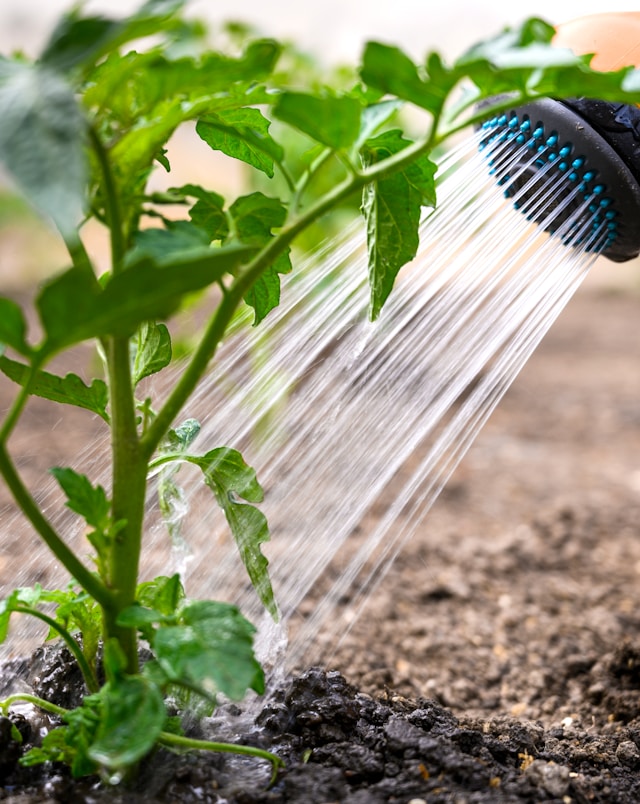
Watering New Plants: Essential Tips for Successful Growth
Watering new plants is essential for their growth and health. Newly planted trees and shrubs need deep and regular watering during their first two growing seasons to help establish their roots. Knowing how much and how often to water can make a big difference in your plant’s success.
When you first plant your new greenery, it’s important to water it right away. This allows the soil to settle around the roots and ensures they have the moisture they need to thrive. For the first couple of weeks, daily watering can help your plants get a good start. As they settle in, you can adjust your watering schedule to meet their needs.
Understanding your plants’ requirements will guide you in giving them the right amount of water. On average, most plants need about one inch of rainfall a week, which is enough to soak the soil properly. By following these watering guidelines, you can set your new plants up for a long and healthy life.
Basics of Watering New Plants
Watering new plants correctly is essential for their growth and survival. Knowing how to check soil moisture, understanding the needs of different plant types, and scheduling your watering sessions will help you care for your plants effectively.
Understanding Soil Moisture
Soil moisture is key to plant health. You need to know when to water to keep your plants thriving.
- Check the topsoil: Stick your finger into the soil up to your first knuckle. If it feels dry, it’s time to water.
- Observe plant signs: Wilting, yellowing leaves, or dry soil are clear signals that your plant needs water.
- Watering deeply: New plants thrive with deep watering. This helps roots grow down into the soil, making them stronger.
The goal is to keep the soil consistently moist without letting it get soggy.
Determining Water Needs for Different Plant Species
Water needs can vary based on the type of plant you have. Some general guidelines include:
- Succulents and cacti: These need less frequent watering. Aim for every two to three weeks.
- Flowering plants and herbs: Most need regular watering about once a week in well-draining soil.
- Trees and shrubs: Newly planted ones require more water, typically once a week, especially in their first year.
Check specific care instructions for your plants. Adapt your approach based on their growth stage and the environment.
Scheduling Watering Sessions
Timing your watering is crucial. Here are some tips to help you create a good schedule:
- Water in the morning or late afternoon: This prevents evaporation and allows roots to absorb moisture.
- Use a weekly schedule: Plan to water once a week, adjusting based on weather and soil moisture.
- Monitor rainfall: If it rains, you may not need to water for several days.
Consider your climate, season, and plant type when scheduling. Keeping track of these factors will ensure your plants get the right amount of water before they dry out.
Advanced Watering Techniques
Utilizing advanced watering techniques can significantly enhance the health of your plants. Implementing methods like mulching, drip irrigation, and monitoring plant health ensures that your plants receive the right amount of water without excess or deficiency.
Mulching for Moisture Retention
Mulching is an effective way to keep soil moist. By applying a layer of organic material, such as wood chips or straw, you can minimize evaporation.
Benefits of mulching:
- Reduces Soil Temperature: Keeps roots cooler during hot weather.
- Suppresses Weeds: Fewer weeds mean less competition for water.
Apply mulch 2-4 inches thick around your plants, avoiding the base. This method not only retains moisture but also improves soil quality as the mulch breaks down over time.
Drip Irrigation Systems
Drip irrigation provides a consistent and efficient way to water your plants. This system delivers water directly to the plant’s roots, reducing water waste.
Key features of drip irrigation:
- Precision Watering: Water is applied slowly, targeting the root zone.
- Customization: You can adjust the flow rate based on plant needs.
Consider installing a timer for automated watering schedules. This system allows for deep watering, encouraging roots to grow deeper and access moisture better.
Monitoring Plant Health
Regularly checking your plants can help you determine their watering needs. Signs of distress like wilting or yellowing leaves indicate that something may be wrong.
Steps to monitor:
- Check Soil Moisture: Use your finger or a moisture meter to assess the soil.
- Observe Plant Appearance: Look for uneven growth or discoloration.
Adjust your watering practices based on your observations. A consistent routine, along with regular checks, will lead to healthier plants.