
Natural Pest Control: Effective Strategies for a Healthier Garden
Natural pest control offers effective solutions for managing unwanted insects without harmful chemicals. By using safe and eco-friendly methods, you can protect your home and garden while keeping the environment healthy. These natural methods include using plants, essential oils, and simple homemade remedies to keep pests at bay.
Many homeowners are turning to natural options as they seek safer alternatives to traditional pesticides. Techniques such as planting herbs like rosemary and basil can help repel pests, while homemade repellents made from mint and citrus peels provide additional layers of defense. Understanding which options work best for your specific pest problems will empower you to take control of the situation.
You don’t have to rely on harsh chemicals to manage pests successfully. Instead, you can explore various natural strategies that are both effective and easy to implement. With the right approach, you can create a pest-free environment that is safe for you, your family, and the planet.
Principles of Natural Pest Control
Effective natural pest control relies on a combination of practices that focus on prevention, biological techniques, and the use of botanical products. These methods work together to minimize pest damage while being friendly to the environment.
Preventive Practices
Preventive practices are key to keeping pests at bay. Start by maintaining garden health through proper soil management. Healthy soil leads to strong plants, which can better resist pests.
You can also use companion planting. This means growing certain plants together that can help deter pests. For example, marigolds can repel nematodes, while basil may keep flies away from tomatoes.
Crop rotation is another smart technique. Changing the types of crops planted in a given area each year can disrupt pest life cycles, making it harder for them to establish themselves.
Biological Control Methods
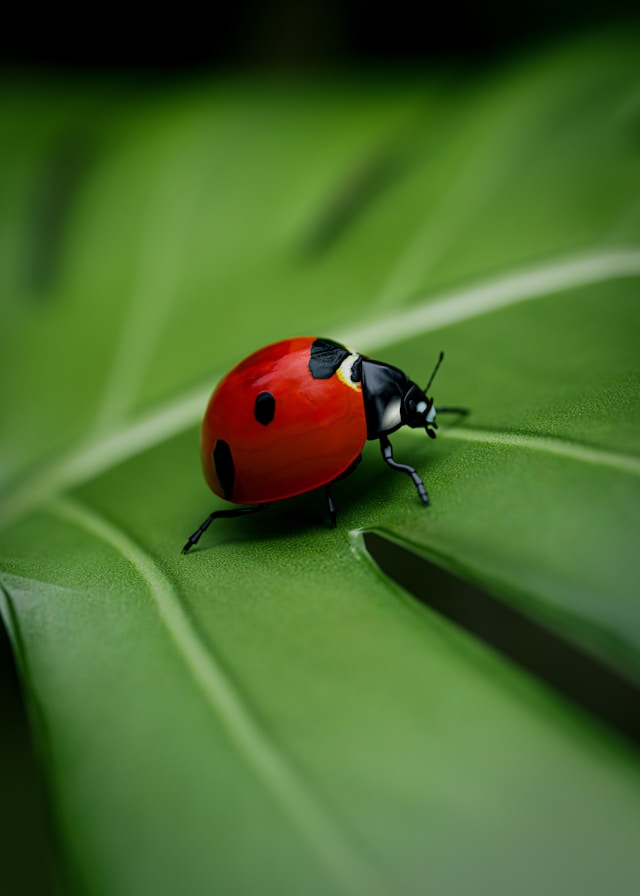
Biological control involves using living organisms to manage pests. Introduce beneficial insects like ladybugs or lacewings, which naturally eat harmful pests. These insects can be added to your garden or encouraged to thrive on their own.
Another approach is using natural predators, which control pest populations without chemicals. Creating a habitat that attracts birds can help here, as many birds feed on garden pests.
You can also use fungi and bacteria that are harmful to specific pests but harmless to plants and beneficial insects. For instance, the bacterium Bacillus thuringiensis targets caterpillars while leaving other insects unharmed.
Botanical Insecticides and Repellents
Botanical insecticides come from plants and can safely target pests. Essential oils, like neem oil, can disrupt pest life cycles and repel certain insects.
Another option is using garlic spray. When mixed with water and applied to plants, it can deter many common garden pests due to its strong smell.
Some plants, such as citronella, are known for their repellent properties. Planting these around your garden can help keep unwanted insects away.
When using any botanical products, always read the instructions to ensure proper application and safety for both plants and beneficial insects.
Implementing Natural Pest Control Solutions
Natural pest control solutions include methods that help manage pest problems without using synthetic chemicals. These techniques rely on cultural practices, physical barriers, and organic products to create a balanced ecosystem in your garden or home.
Cultural Controls
Cultural controls are practices you can implement to prevent pest problems. They involve altering your gardening practices to make your environment less inviting for pests.
Crop Rotation: Change the types of plants you grow in a specific area each season. This helps disrupt pests’ life cycles by depriving them of their preferred food source.
Diversity: Plant a variety of crops and flowers. This increases biodiversity, which can help attract beneficial insects that keep pests in check.
Sanitation: Keep your garden clean. Remove debris, dead plants, and fallen fruit to reduce hiding places for pests.
Physical and Mechanical Controls
Physical and mechanical controls provide direct methods to protect your plants from pests. You can use simple tools and barriers to block or remove pests without chemicals.
Row Covers: Use lightweight fabric to cover young plants. This barrier prevents pests like aphids and beetles from reaching your crops.
Handpicking: Regularly inspect plants for pests like caterpillars or beetles. Removing them by hand is effective if done consistently.
Traps: Set sticky traps or beer traps to catch pests such as slugs and snails. These methods provide a non-toxic way to monitor and reduce the pest population.
Organic Pest Control Products
Using organic products can help manage pest issues safely. Many of these products are made from natural substances and are less harmful to the environment.
Neem Oil: Extracted from the neem tree, this oil disrupts the life cycle of pests. It works effectively against aphids, spider mites, and whiteflies.
Diatomaceous Earth: This fine powder is made from fossilized algae. It damages the exoskeletons of insects, causing them to dehydrate and die.
Homemade Solutions: You can make your own pesticide by combining common household ingredients. For example, a mixture of soap and water can deter soft-bodied pests like aphids and mites.