
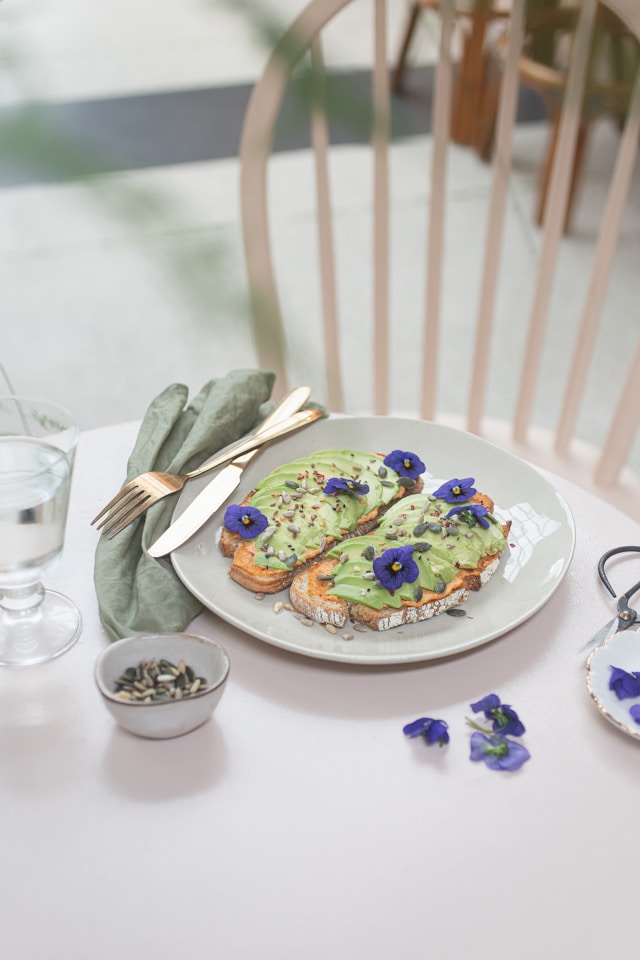
Edible Flower Basics: A Guide to Their Uses and Benefits
Edible flowers are not just pretty; they can add exciting flavors and colors to your dishes. These flowers can elevate salads, desserts, and drinks, making your meals visually appealing and bursting with taste. From delicate roses to vibrant nasturtiums, these plants offer a variety of flavors, ranging from sweet and fragrant to spicy and herbaceous.
Using edible flowers in your cooking can be easy. You can start by adding them as garnishes or mixing them into various recipes. Whether you want to spruce up a salad or create a stunning cake, edible flowers can transform everyday meals into something special.
As you explore the world of edible flowers, you will discover the perfect blooms to enhance your culinary creations. Get ready to impress your family and friends with unique dishes that show off these beautiful ingredients.
Selecting and Growing Edible Flowers
When growing edible flowers, choosing the right varieties and using best practices can greatly improve your success. Paying attention to organic growth principles will also ensure that your flowers are safe to eat and full of flavor.
Choosing the Right Varieties
Selecting edible flowers is an important first step. Some easy-to-grow varieties include:
- Nasturtiums: Both the flowers and leaves are edible, with a peppery flavor.
- Violas and Pansies: These flowers add color and a mild taste to dishes.
- Calendula: Often called “pot marigold,” it has a slightly spicy flavor.
- Borage: Known for its cucumber-like taste and bright blue flowers.
Consider your local climate and season when choosing your flowers. Some may thrive in warmer areas while others do better in cooler temperatures. Always check if the varieties are suitable for your growing conditions.
Cultivation Best Practices
Growing edible flowers requires similar techniques to those used for regular flowers.
Soil Preparation: Conduct a soil test to determine pH and nutrient levels. Aim for well-drained soil enriched with organic matter.
Sunlight: Most edible flowers need full sun, about 6-8 hours a day, to bloom well.
Watering: Regular watering is essential. Keep the soil consistently moist but not waterlogged.
Fertilization: Use a balanced fertilizer at planting and during the growing season to encourage healthy growth.
Pest Control: Use organic pesticides that are safe for edible plants. Monitor for pests and disease regularly.
Organic Growth Principles
To ensure your edible flowers are safe, follow these organic growth principles.
No Synthetic Chemicals: Avoid synthetic fertilizers and pesticides. Use organic alternatives to maintain soil health.
Crop Rotation: Practice crop rotation to prevent soil depletion and reduce disease risks.
Companion Planting: Some flowers can repel pests when planted alongside vegetables. Research which plants work best together.
Mulching: Use organic mulch to retain moisture and suppress weeds, keeping your flowers healthy.
By following these principles, you will grow vibrant, flavorful edible flowers that enhance your meals.
Usage and Benefits
Edible flowers offer a variety of uses in cooking and health. They can enhance the taste of dishes, provide nutrients, and offer potential health benefits. Understanding their applications helps you make informed choices about incorporating them into your meals.
Culinary Applications
You can use edible flowers to add color and flavor to many dishes. Common flowers like lavender, nasturtium, and borage can elevate the taste of salads, desserts, and drinks.
Here are some specific ways to use them:
- Garnishes: Use petals to decorate cakes or cocktails.
- Flavoring: Add flowers like geranium or chive for unique tastes.
- Ingredients: Mix edible flowers into omelets or soups for a pop of color and flavor.
Experimenting with these flowers can make your meals more visually appealing and delicious.
Nutritional Value
Edible flowers are not just pretty; they also pack nutrients. Many flowers contain vitamins and antioxidants that may support your health. For example:
- Hibiscus is known for its high vitamin C content.
- Dandelion flowers contain antioxidants that help reduce inflammation.
Using these flowers in your diet can introduce essential nutrients. Including a variety of flowers can enhance the overall nutritional profile of your meals.
Medicinal Uses
Certain edible flowers have been used in traditional medicine for their health benefits. For instance:
- Lavender is often used for its calming effects.
- Chamomile may help with digestion and relaxation.
Some flowers, like sage and marigold, are known for their anti-inflammatory properties. Including these flowers in teas or remedies can provide additional health benefits. Always consult with a health professional before using flowers for medicinal purposes.